‘All-American Concerto Evening’ @ Cliburn Concerts
—Wayne Lee Gay
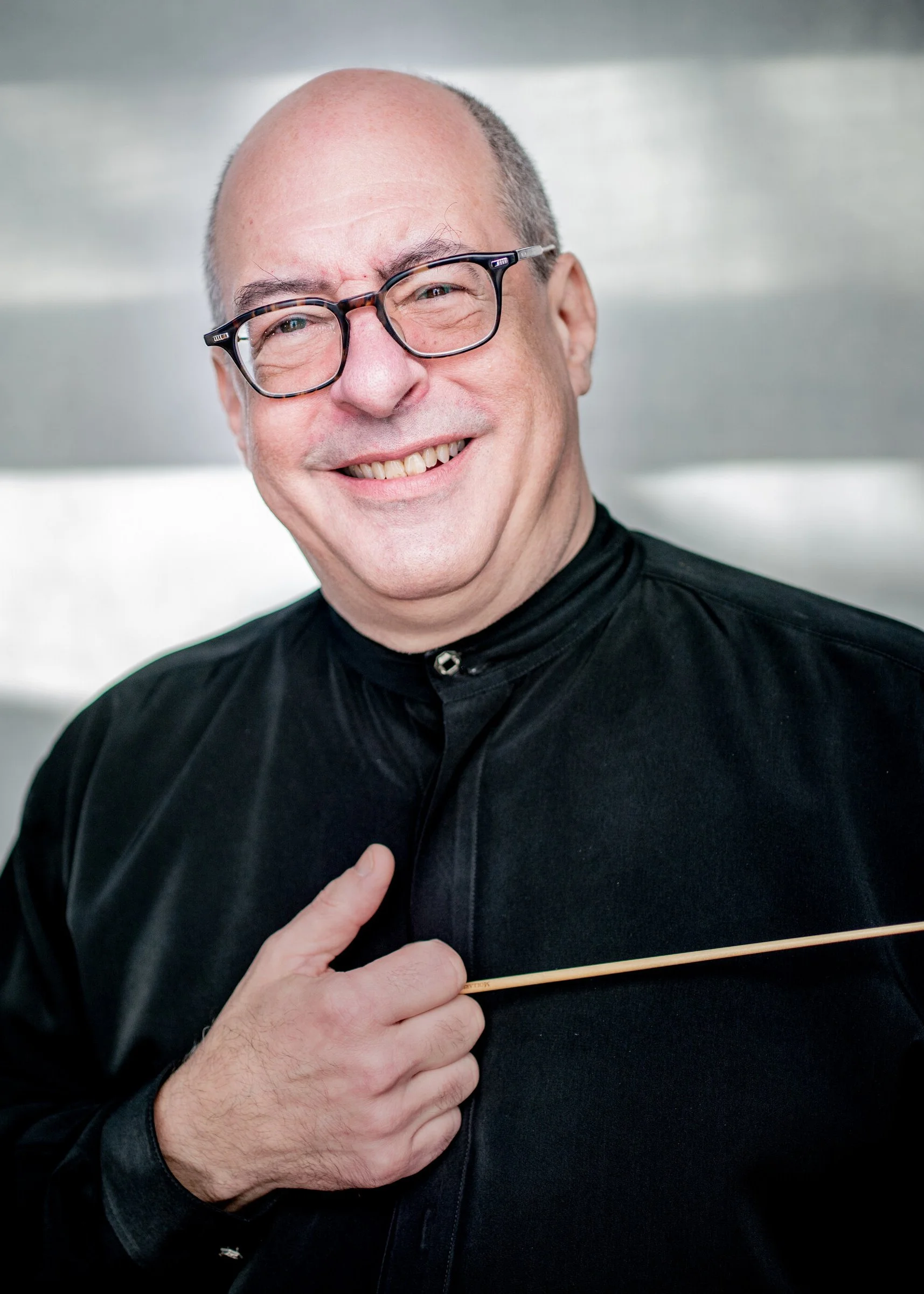
Tuesday night, Fort Worth's Cliburn Foundation presented three soloists along with conductor Robert Spano and the Fort Worth Symphony Orchestra in a beautifully curated program focused on concertos by American composers. Within the limits of a single one-evening concert, the event covered three high points of our national musical heritage—while also presenting three leading representatives of the emerging generation of concert artists.
Aaron Copland's "An Outdoor Overture" served as a purely orchestral warmup for the evening. Composed in 1938, the work displays all the characteristics that would, in the 1940s, establish Copland as America's quintessential national composer: spacious harmonies, ear-catching tunes, impeccable compositional technique, and that special sense of the breadth and spaciousness of the American continent.
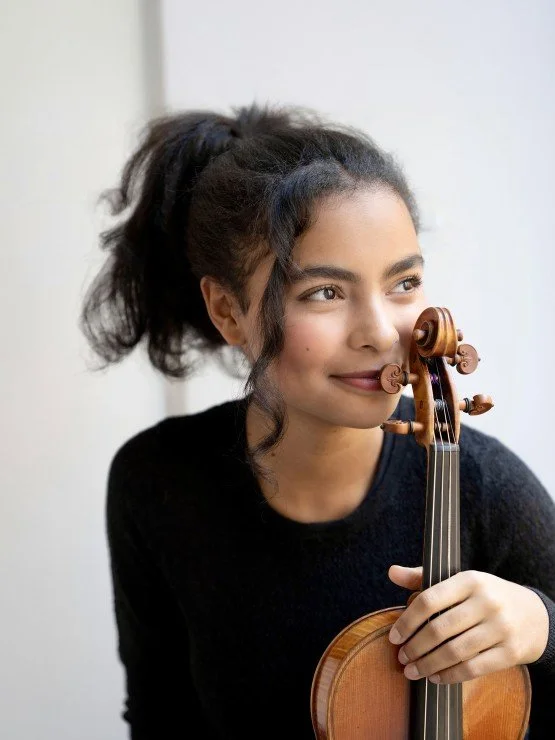
Samuel Barber's unabashedly romantic Violin Concerto followed. Australian-born violinist Amaryn Olmeda stepped onstage in a boldly colorful gown that included elements chosen for the all-American repertoire. She commenced with an appealingly mellow, suave tone—a welcome contrast to the almost acerbic timbre favored by many of the current crop of violinists. The middle movement of the concerto opens with a sweetly lyrical oboe solo—here magnificentlly executed by FWSO principal Jennifer Corning Lucio—setting up the violin soloist's dark reply and the climactic apotheosis at the heart of the entire concerto.
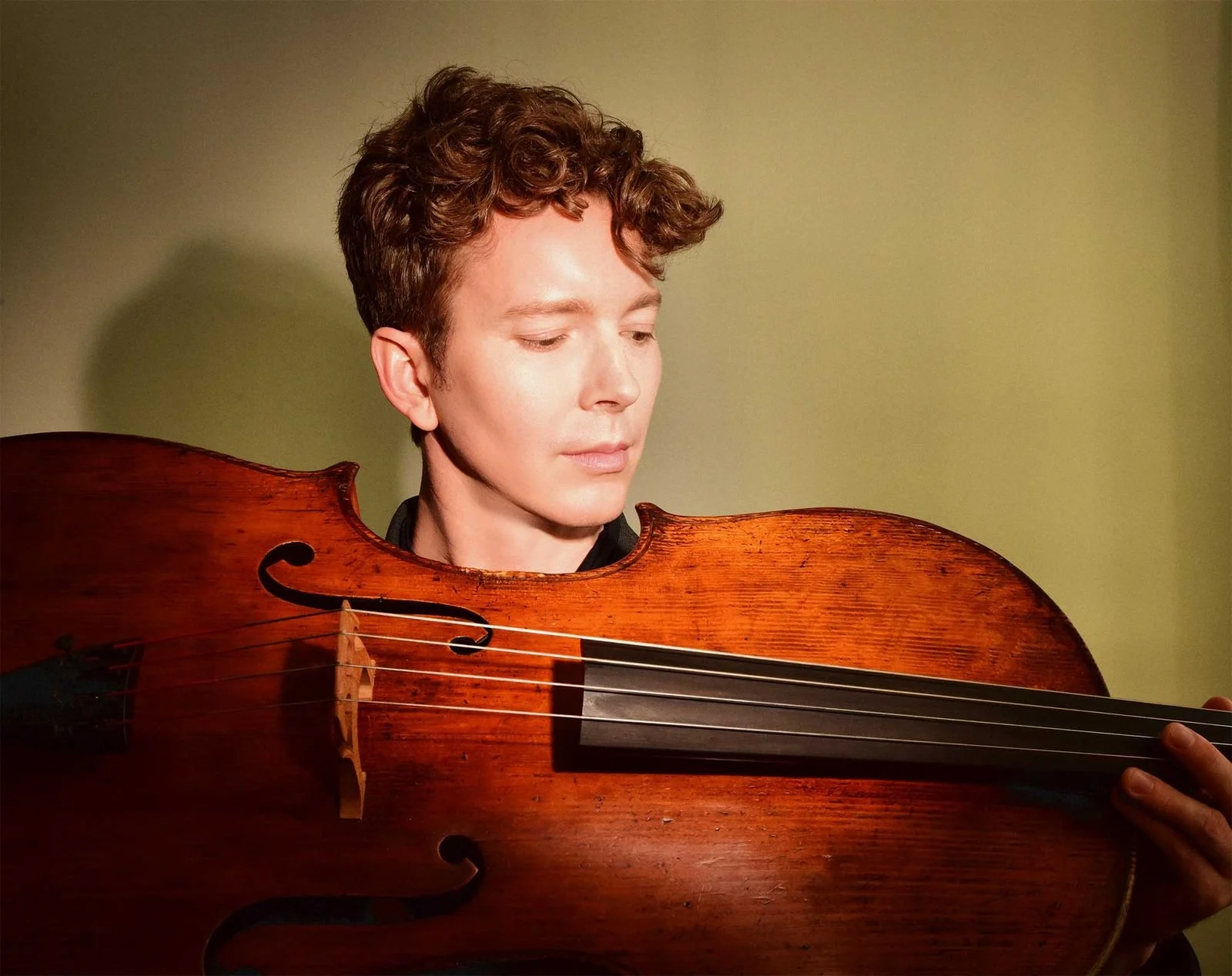
After intermission, Mason Bates' Cello Concerto of 2014, with soloist Joshua Roman, displayed new directions in American classical music. Within a basic traditional three-movement concerto structure, Bates incorporates an array of techniques and idioms with hints of minimalism, post-minimalism, jazz, pop music, and other streams in this wide-ranging musical tapestry. The grand emotionalism that has been the hallmark of the concerto genre for the past two centuries here gives way to episodes of whimsicality—yet without sacrificing the element of solo virtuosity, or the aura of serious artistry. Cellist Roman clearly delights in the adventurous eclecticism of the work (written specifically for him), not only in his flawless technical performance but in subtle facial expression and body motion.
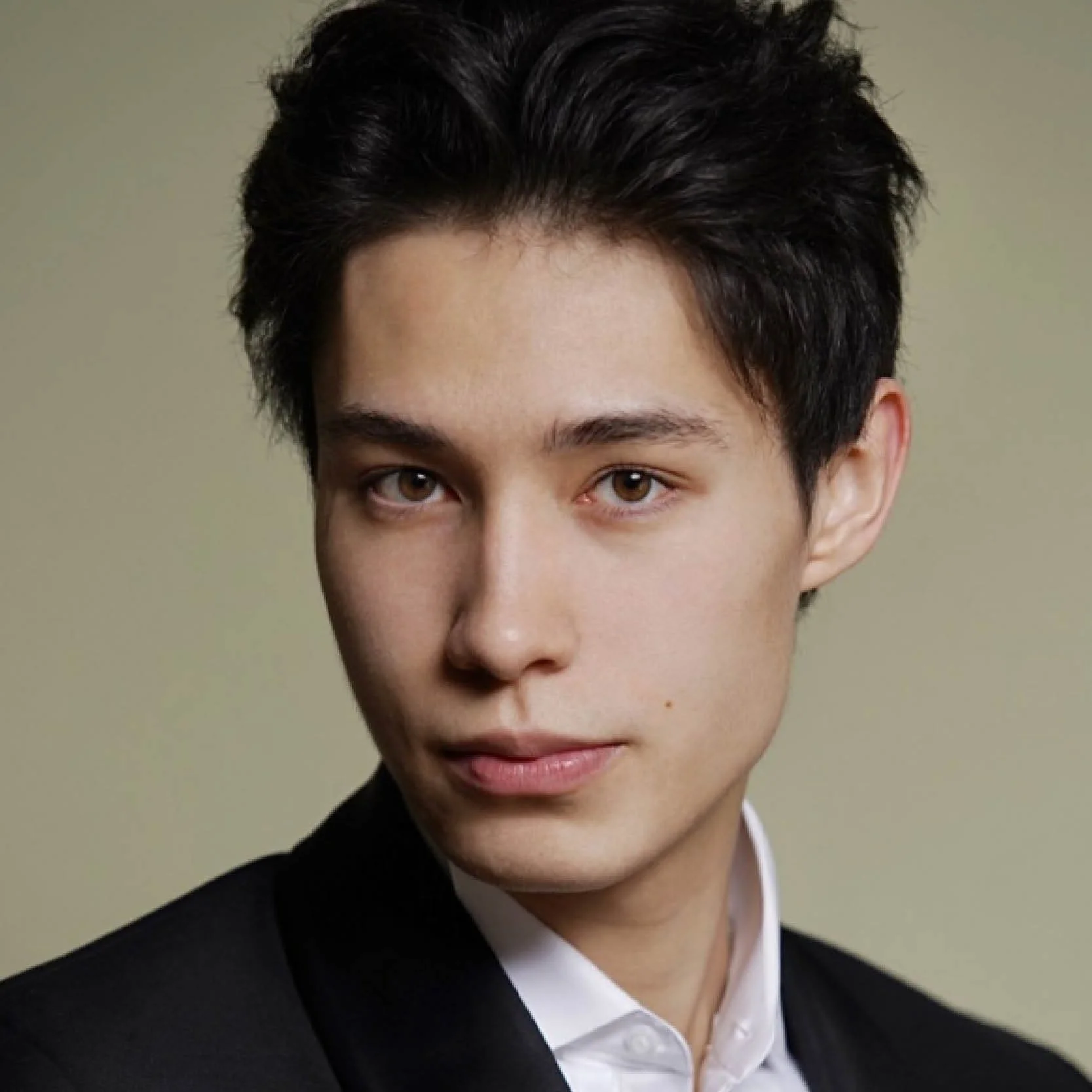
Gershwin's Rhapsody in Blue provided the evening's finale. Now more than one hundred years old, it continues to firmly hold its place as one of the most beloved works of American music. American-born, Russian-trained pianist Angel Stanislav Wang, a finalist at the 2025 Van Cliburn International Piano Competition, returned to the scene of his competition performance to apply his brilliantly muscular Russian pianism to this ultimate icon of musical Americana. In this version for piano with full orchestra (the Rhapsody was originally conceived for piano with jazz band), the orchestra occasionally swallows the sound of the piano; but this was more than compensated for in the extended passages for piano alone, in which Wang once again proved his ability to roll out gorgeous lyricism and to toss out pianistic thunderbolts.
WHEN: September 22, 2026 (one performance only)
WHERE: Bass Performance Hall, Fort Worth
WEB: cliburn.org