‘Hadestown’ tour @ Bass Performance Hall
—Rickey Wax
There is something remarkable about a show that tells you exactly how it ends and still keeps you leaning forward in your seat. Hadestown opens by announcing its intentions: this is a tragedy. Ancient Greece practically trademarked the form, so there are no surprises there. We know where the road leads. We know Orpheus will make a devastating choice, and we know Eurydice's fate. Yet somehow, the story still feels fresh.
The tension is built into the mythology itself. While the most familiar version of the tale ends with Orpheus looking back (against instructions) and losing Eurydice forever, variations of the myth have circulated for centuries. In some tellings, Orpheus and Eurydice are eventually reunited in the Underworld (my favorite version). In others, the emphasis shifts from romantic loss to the transformative power of art itself. Greek myths were never static texts; they evolved through retellings, adaptations, and performance. Hadestown understands that tradition and joins it, asking audiences to believe, however briefly, that perhaps this time the story might end differently.
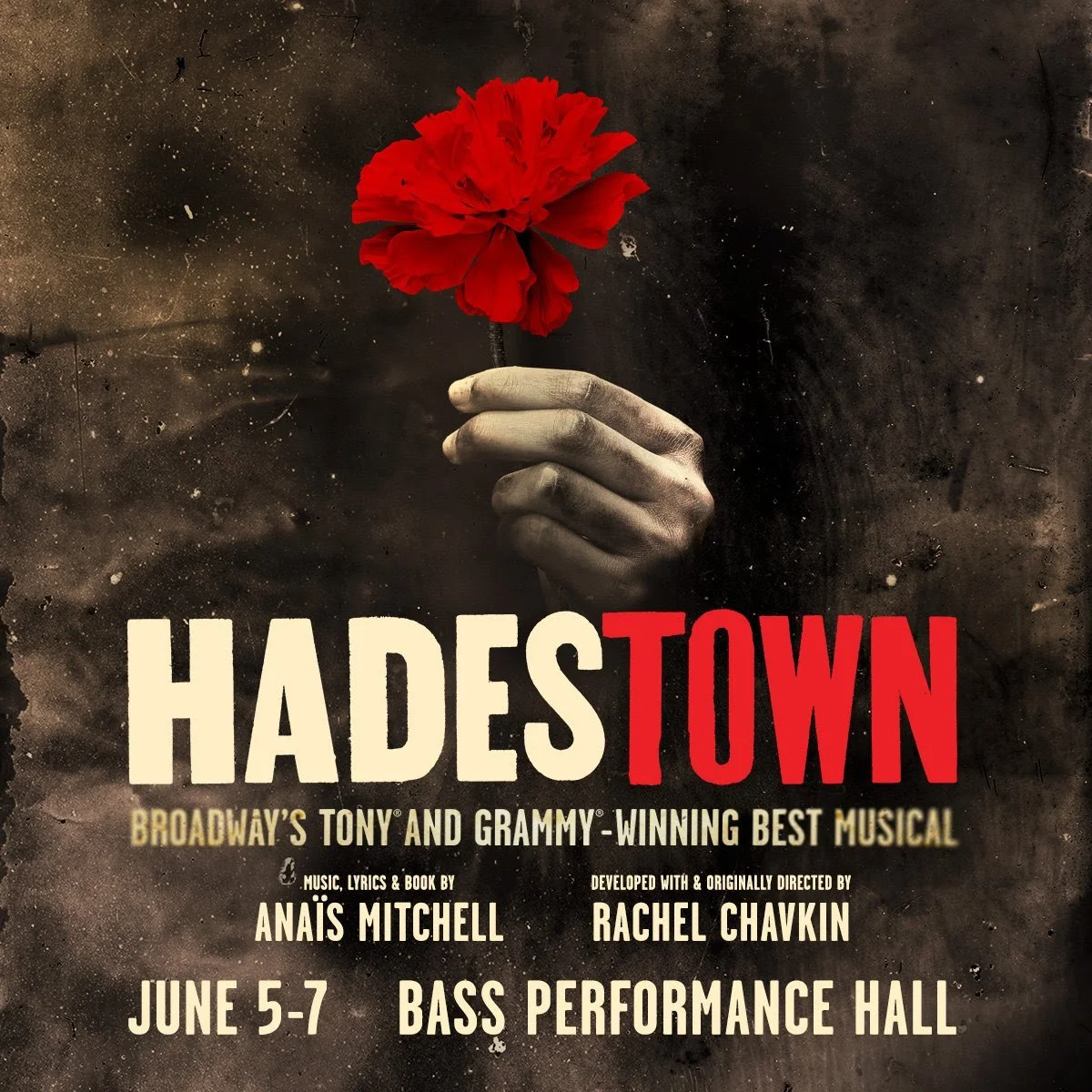
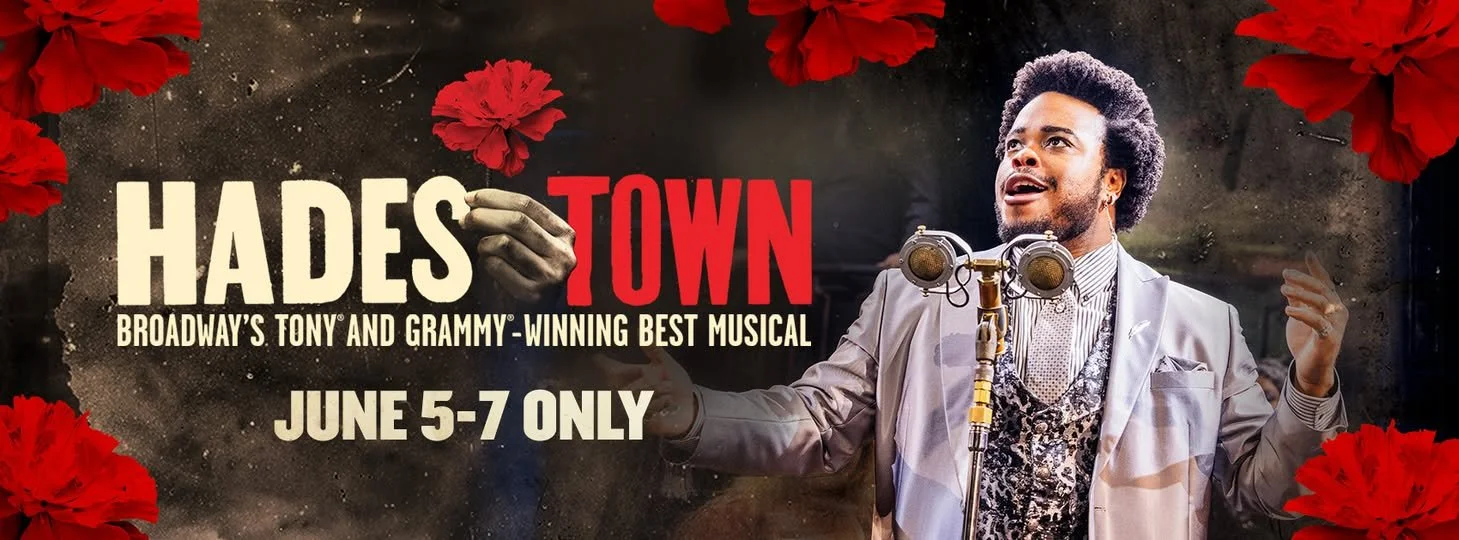
Anaïs Mitchell's Tony Award-winning folk opera (running June 5-7 at Bass Performance Hall, presented by Performing Arts Fort Worth) reimagines the myths of Orpheus and Eurydice alongside Hades and Persephone, transporting them into a world that feels startlingly familiar. Part Depression-era America, part industrial dystopia, and part New Orleans jazz hall, Hadestown examines love, labor, power, climate, and community through a score unlike anything else currently touring.
Beneath the mythology lies a society where workers labor endlessly, walls are erected in the name of security, seasons fall out of balance, and those in authority tighten their grip whenever uncertainty threatens their control. Mitchell's work taps into recurring patterns of human behavior—a living illustration that history repeats itself if we fail to learn from it.
Like the coryphaeus, the leader of the chorus in ancient Greek drama, Hermes (Rudy Foster) steps forward to frame the action. With an enthusiastic "Alright?" he immediately establishes a sense of community between performers and audience. The fourth wall dissolves before the story has truly begun, and Bass Hall transforms into a gathering place where an old tale will be told once more.
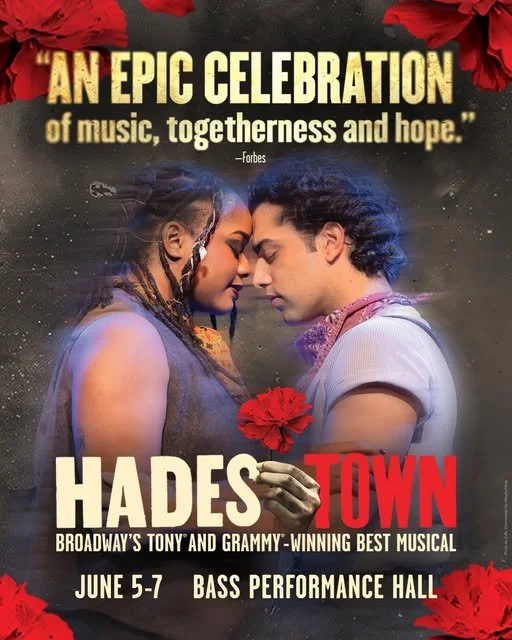
One by one, the figures emerge. First comes Orpheus (Jose Contreras), carrying a guitar, a song, and an almost reckless belief that beauty can still change the world. Bless his heart. Then comes Eurydice (Hawa Kamara), whose practical instincts have been sharpened by hunger, uncertainty, and the simple reality of surviving another day. Their relationship develops through music, placing Orpheus's idealism alongside Eurydice's realism, and allowing hope and necessity to wrestle for center stage.
Hovering nearby are the Fates (Jonice Bernard, Gia Keddy, and Jayna Wescoatt), ever-present and impossible to ignore. Recalling the choruses of classical Greek drama, they become doubt incarnate. Their close harmonies weave through the score, creating dissonance where certainty once existed.
The atmosphere shifts with the arrival of Persephone (on Friday evening, Miriam Navarrete), who possesses a powerhouse instrument, effortlessly blending gospel-infused timbre with emotional vulnerability. Then comes Hades (Nickolaus Colón), and the temperature in the room seems to drop several degrees. Colón's voice resonates in the cavernous basso profundo range, portraying a ruler consumed by the fear of losing what he loves, constructing walls and systems in a futile attempt to keep chaos at bay.
As winter tightens its grip, hunger becomes a driving force, and security looks like Eurydice's only salvation. When she boards the train to Hadestown, the production shifts gears and descends into a mechanized factory underworld. Visually, the industrial architecture, rotating stage, and atmospheric lighting create a landscape that oscillates between warmth and despair.
Then there is the choreography by T. Oliver Reid, which deserves special recognition. Drawing heavily from contemporary and lyrical traditions, the movement emphasizes emotional storytelling. At times, the ensemble’s physicality beautifully evokes principles of Martha Graham’s technique, particularly in the use of contraction, release, grounded movement, and raw emotional expression. The Workers Chorus moves almost as a collective organism. Their gestures reflect the repetitive machinery of labor while still maintaining a clear sense of the humanity trapped beneath the system.
By the time Orpheus resolves to descend into the Underworld, the audience carries a sense of dramatic irony that would feel familiar to Sophocles. The tension now comes from our and his desperate hope that fate might somehow be avoided—but again, this is ancient Greece we’re dealing with; cue the collective audience sigh.
That hope reaches its peak during "Wait for Me," one of the most breathtaking sequences in contemporary musical theater, where swinging lamps transform the stage into something almost celestial. Mitchell's score fuses folk, blues, jazz, gospel, and New Orleans influences into a singular, intoxicating theatrical experience.
The final journey out of Hadestown becomes an exercise in suspense. Every step feels heavier than the last. When Orpheus finally turns...the tragedy is not that it surprises us, but that for a fleeting moment we actually believe he might resist fate.
That is what makes Hadestown extraordinary. It is a story about persistence, about continuing to create, love, hope, and believe despite overwhelming evidence that disappointment may await. The story ends as it always has, but “We will tell it again,” as Hermes says. That in itself is a kind of hope.
Some stories matter not because they change, but because they change us. The tour of Hadestown at Bass Performance Hall is intellectually rich and emotionally resonant. More importantly, it reminds us that even in uncertain times, there is power in gathering together, sharing a story, and daring to begin again.
WHEN: June 5-7, 2026
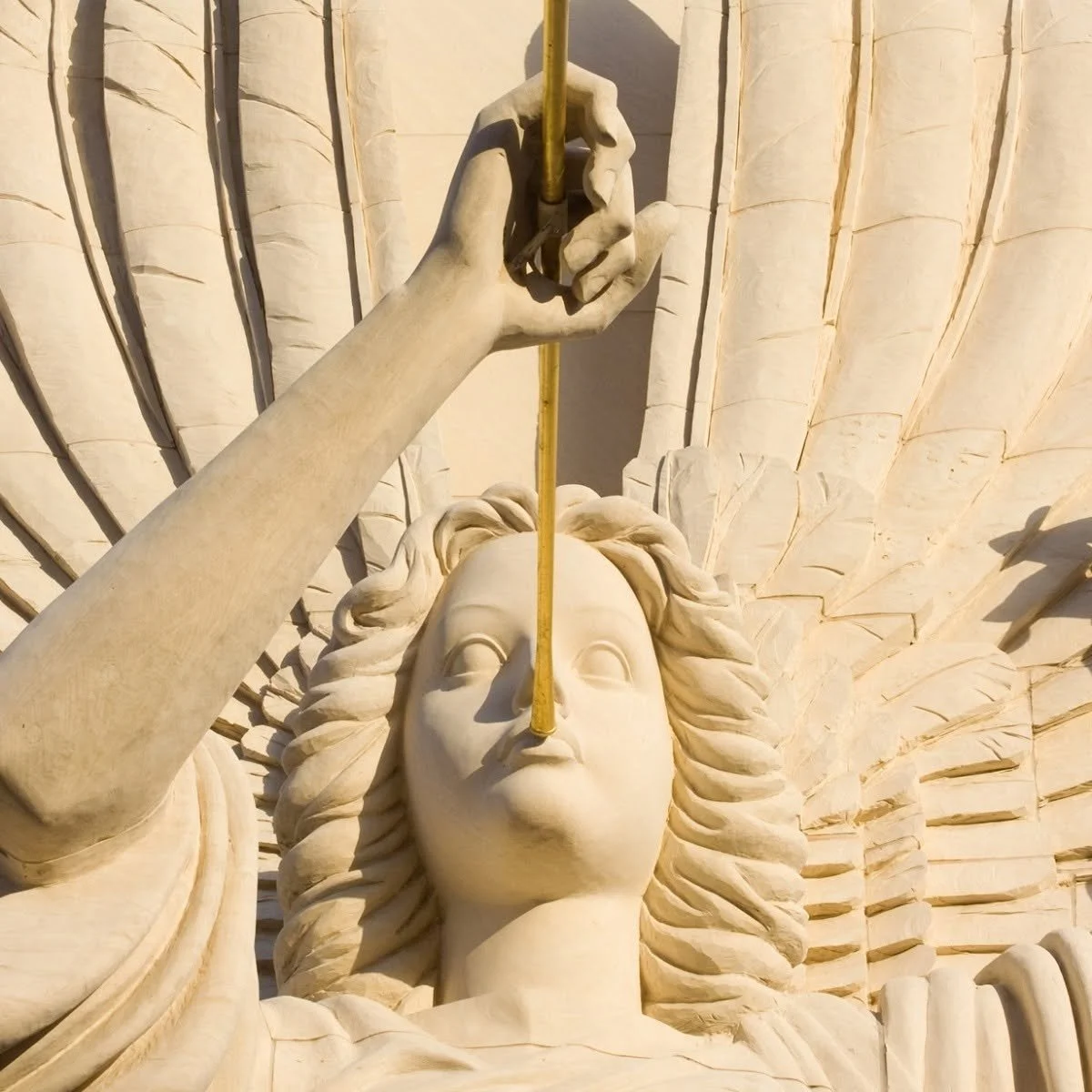
WHERE: Bass Perf. Hall, 525 Commerce St, Fort Worth, TX
WEB: www.basshall.com