‘Ragtime’ @ Dallas Theater Center
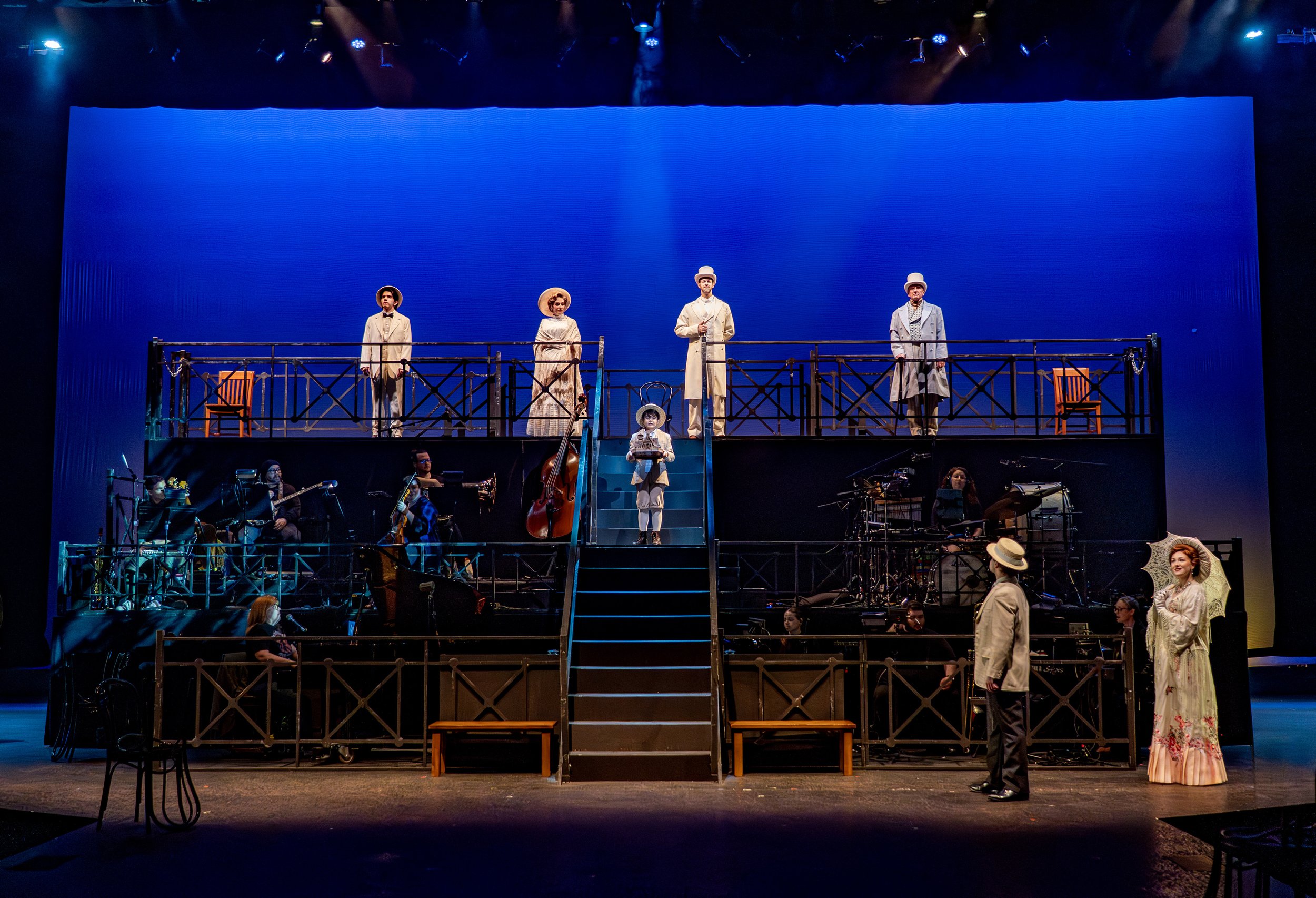
Show photos courtesy of Karen Almond, Dallas Theater Center
—Martha Heimberg
The sweeping musical Ragtime, based on E. L. Doctorow’s 1975 novel, has a lush Tony Award-winning score by Stephen Flaherty and Lynn Ahrens, and a compelling book by the late playwright Terrence McNally. The controlled chaos of the fascinating novel — filled with historical and fictional characters and events — works sensationally well in song and dance in this Tony-winning musical from 1998.
Remember the butterfly effect? A butterfly in Brazil flaps its wings and sets off a series of weather currents that end up spawning a tornado in Texas. That’s how Doctorow’s plot works. A wealthy white family in suburban New York, a poor Jewish immigrant and his daughter in the city, and newly prosperous African Americans in Harlem — all in the same place at the turn of the century — impact each others’ lives in small ways that have huge consequences for the big system of America’s ragged history of rapid industrialization, racial injustice and the immigrant’s struggle to survive. Look around you. Threats to democracy and human rights are swirling around us now, as we bend our necks over our smartphones.
The Dallas Theater Center — in partnership with SMU’s Meadows School of the Arts and its new Sexton Institute for Musical Theatre — has staged a richly detailed and vibrant production of the work at the Dee and Charles Wyly Theatre. Directed and choreographed by Joel Ferrell (director of the Sexton Institute), with musical direction by Vonda K. Bowling, this Ragtime feels both swift and leisurely, spacious and intimate, all at once.
Everywhere all-the-time Bowling and her nine-member orchestra sound as big as the cast and are onstage (tucked into the set design) throughout the show — and the musical score swells with pride, strength, and determination along with the characters — and accompanies us all through scenes of love, hope, and shocking violence.
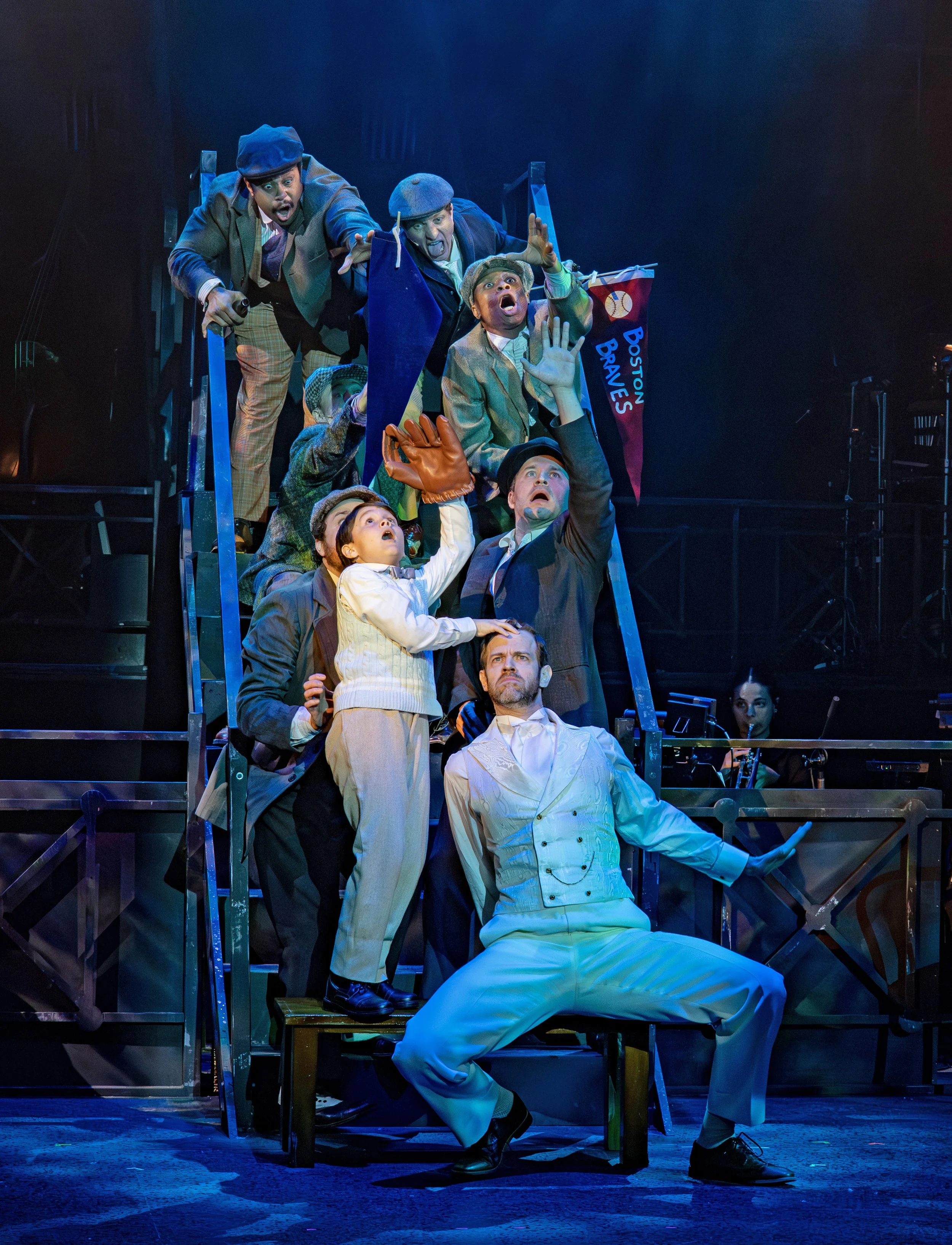
The three-hour show features a cast of nearly 30 extraordinary actors, most playing multiple roles. The children are remarkably professional — and delightful.
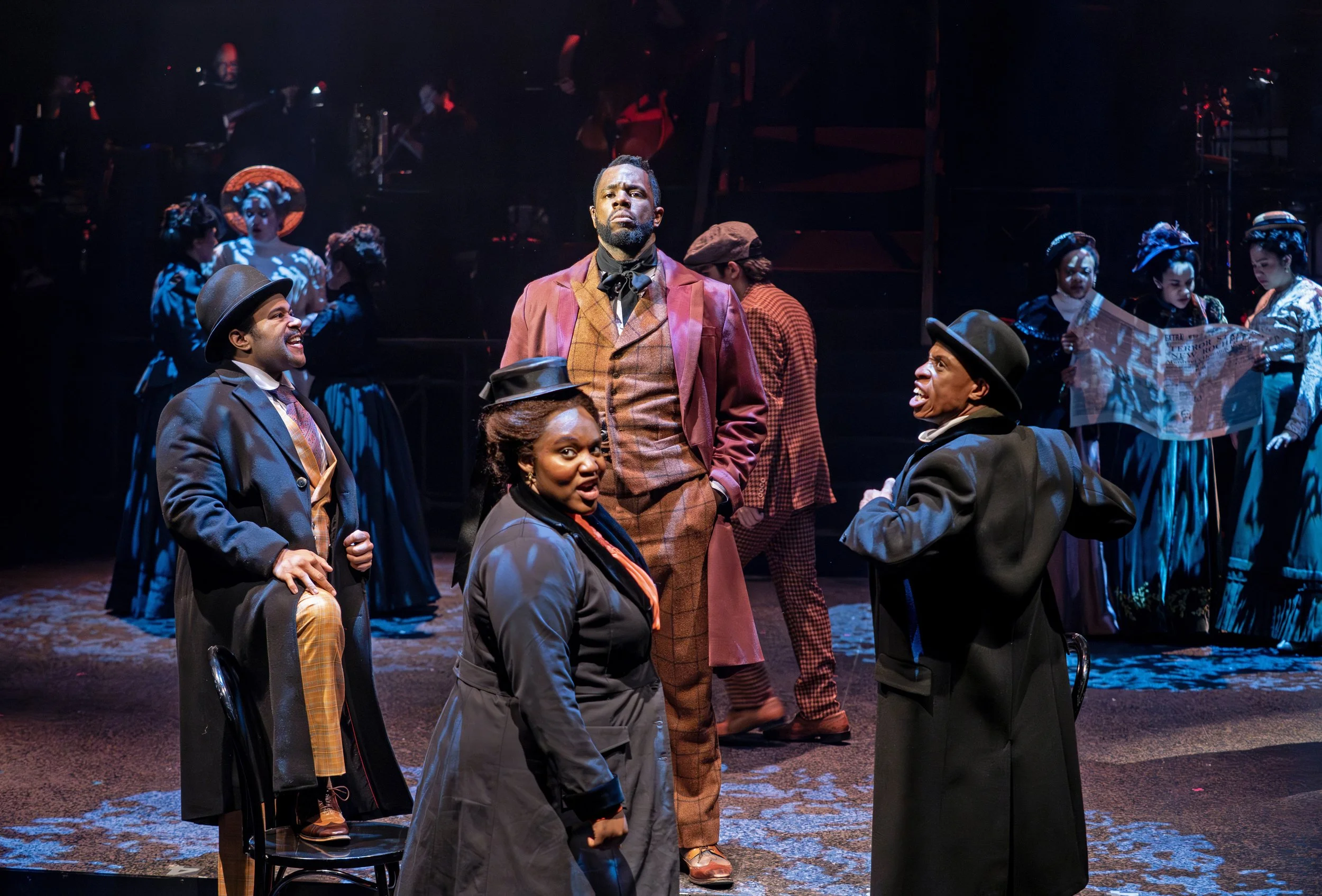
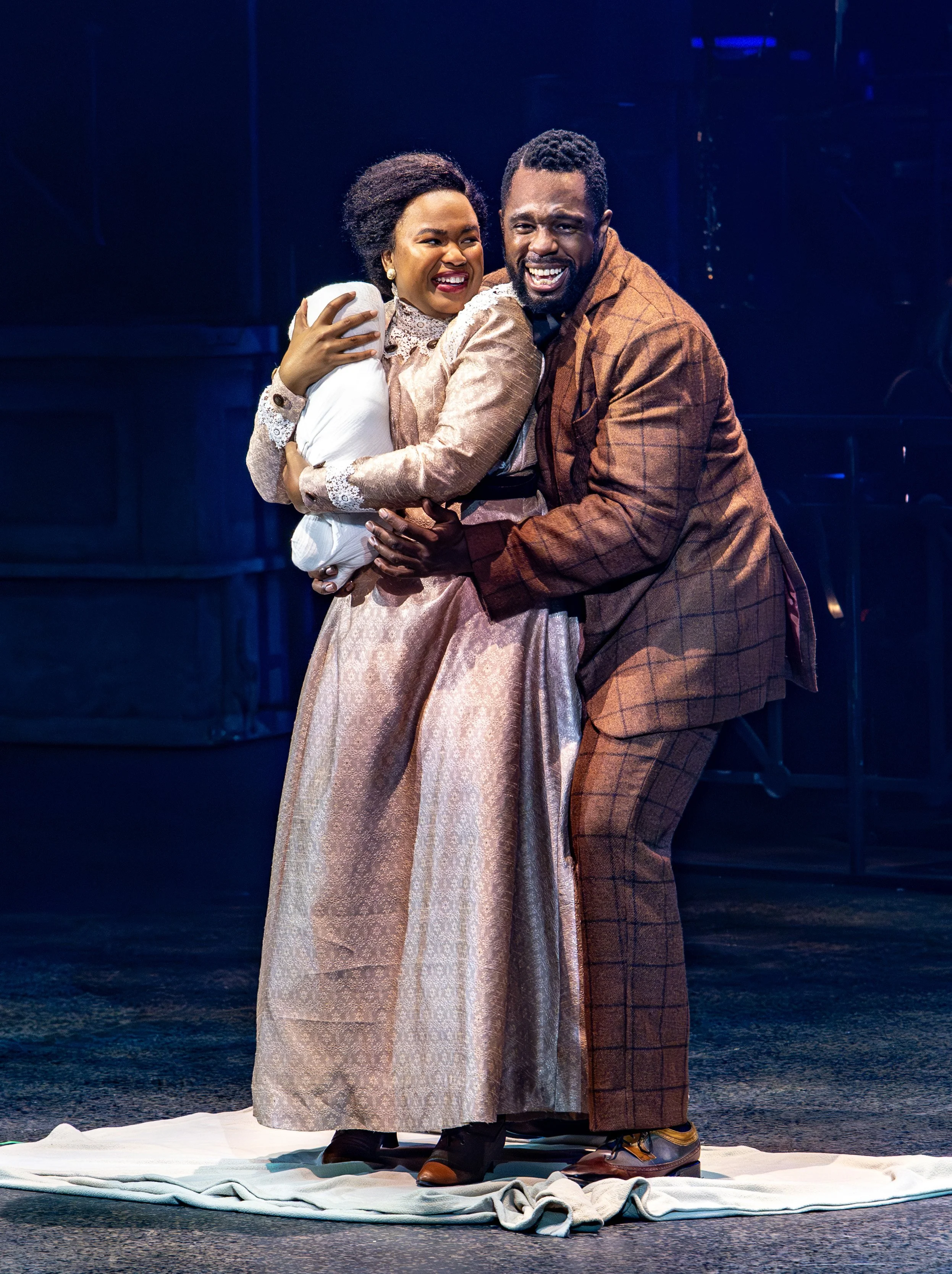
Akron Watson is a physically and vocally powerful Coalhouse Walker, Jr., a black pianist who is deep into the invention of the new, syncopated ragtime beat. His voice moves from baritone to tenor to falsetto in delivering songs about his longing for a better life for his infant son and his love for brown-eyed Sarah, hauntingly sung by dramatic soprano Bri Woods.
When Sarah runs away, fearing Coalhouse is too obsessed with music to take care of her, she is taken in by a white family in New Rochelle. The family’s prosperous Father (Alex Organ) is building a life for them based on the manufacture of fireworks and patriotic bunting—but he has an explorer’s heart, and is (at the moment of the crisis at home) far away. Organ plays Father as upright, brusque, but ultimately capable of change. But he’s sailed off to explore the North Pole with Admiral Perry—and returns to find his household a different place: Mother is sheltering both Sarah and baby son, and making some tough decisions on her own has given Mother new ideas about herself.
Exquisite DTC company member Tiffany Solano is loving and increasingly independent as Mother, her clear soprano voice gaining strength throughout the show. Father is appalled that his wife is cradling “the bastard son” of a Black woman — but Mother knows long before he does that “we can never go back to before.”
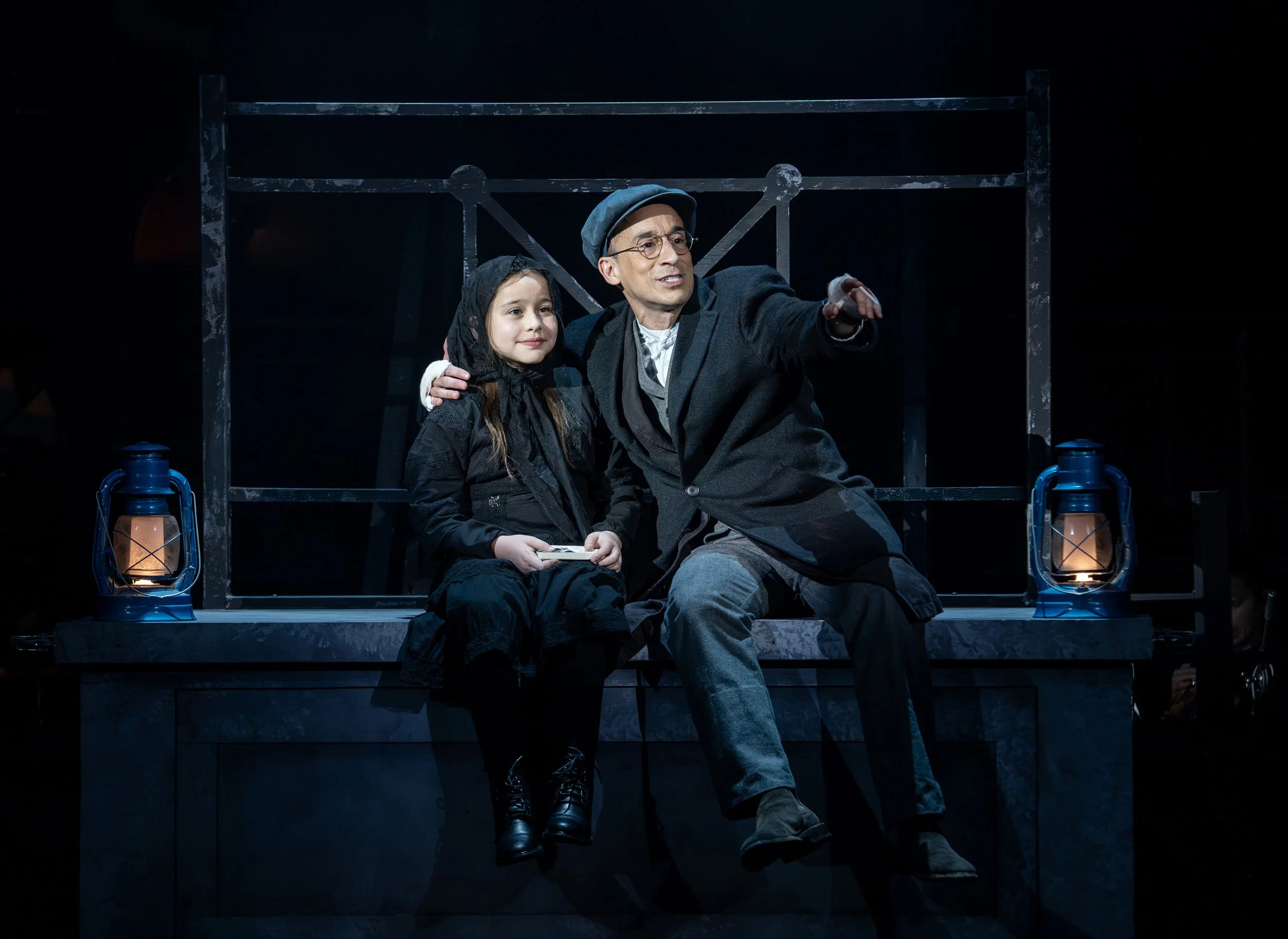
Blake Hackler (playwright, director, and chair of SMU’s Division of Theatre) is a tender and vibrant Tateh, the struggling widower who emigrates to America with his young daughter (played alternately by Sofia DeSena & Luna Echo Rodriguez). The enterprising Tateh makes silhouette portraits in Manhattan — without much success. But one day someone buys a clever “movie book” he’s made for his daughter (flipping pages reveals the action), and that moment starts him on a fast-track into the world of “photoplays” and silent-movies. At the moment when Tateh suddenly knows his daughter will have a good life in “Amerike,” Hackler gets a chance to cut loose with literally bounding joy.
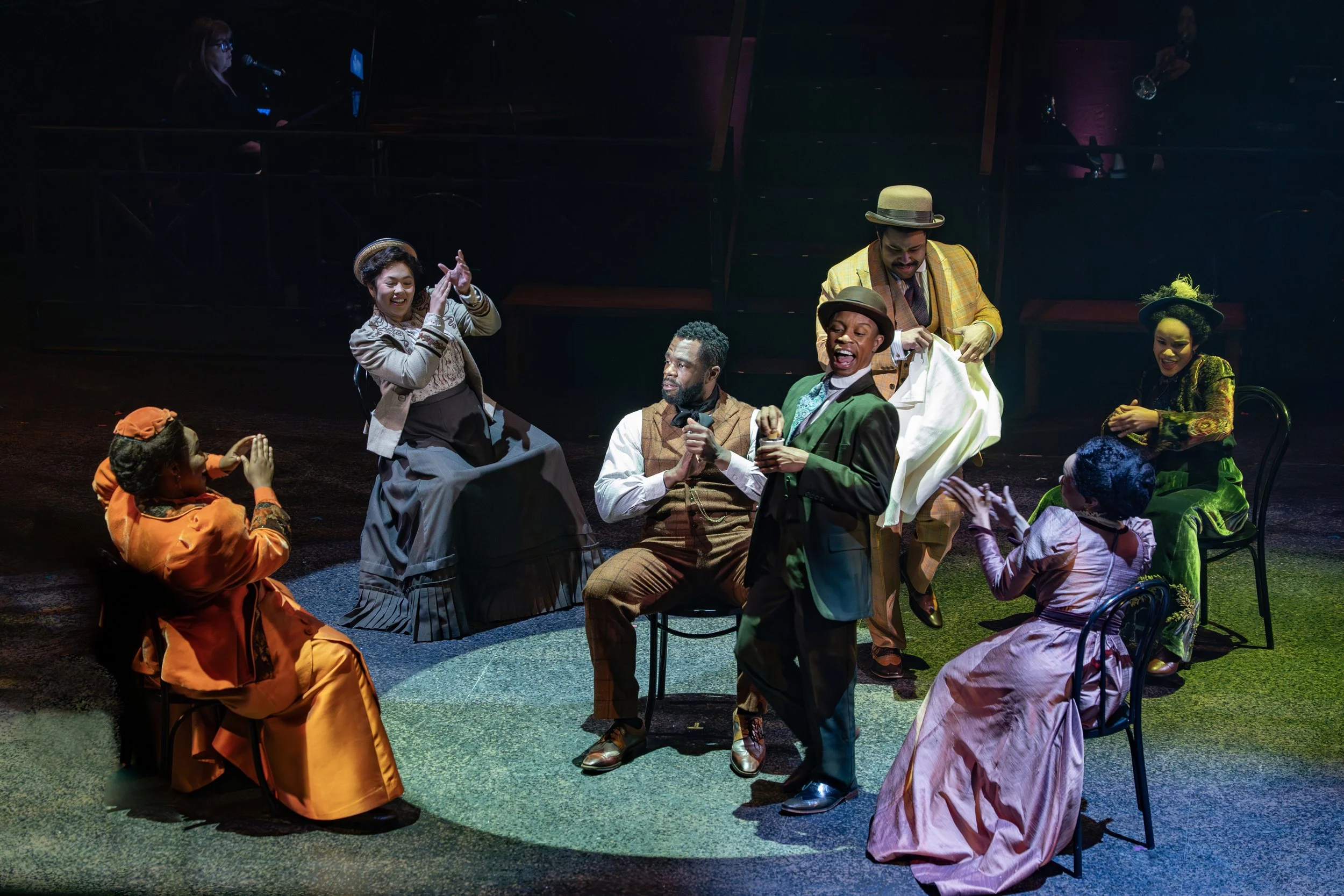
Andrew Briseno as Mother’s liberal-minded younger brother is a lively narrator, moving through the spirited ensemble of dancers and singers, tying up loose ends and identifying who’s who and where they bumped into each other.
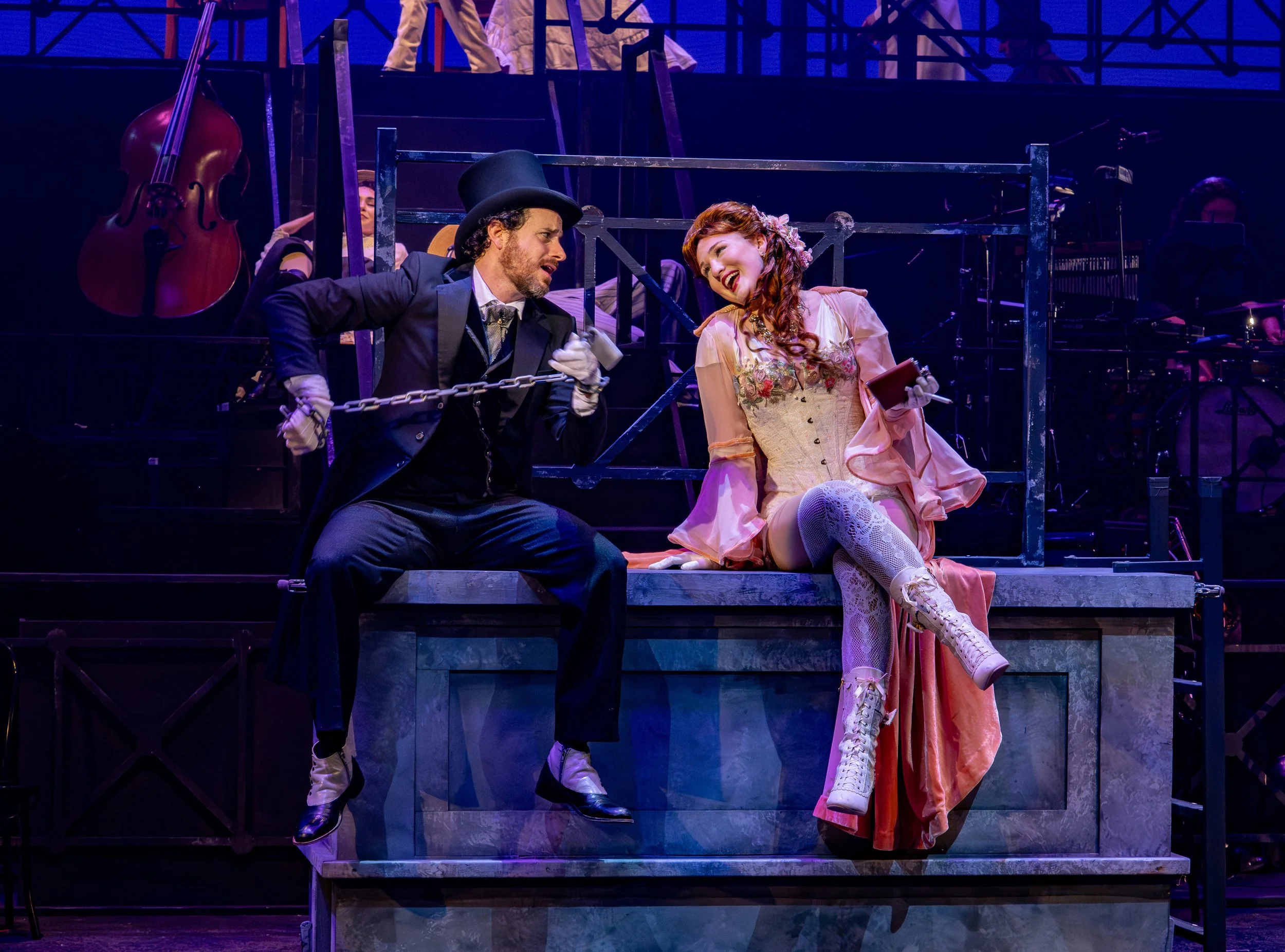
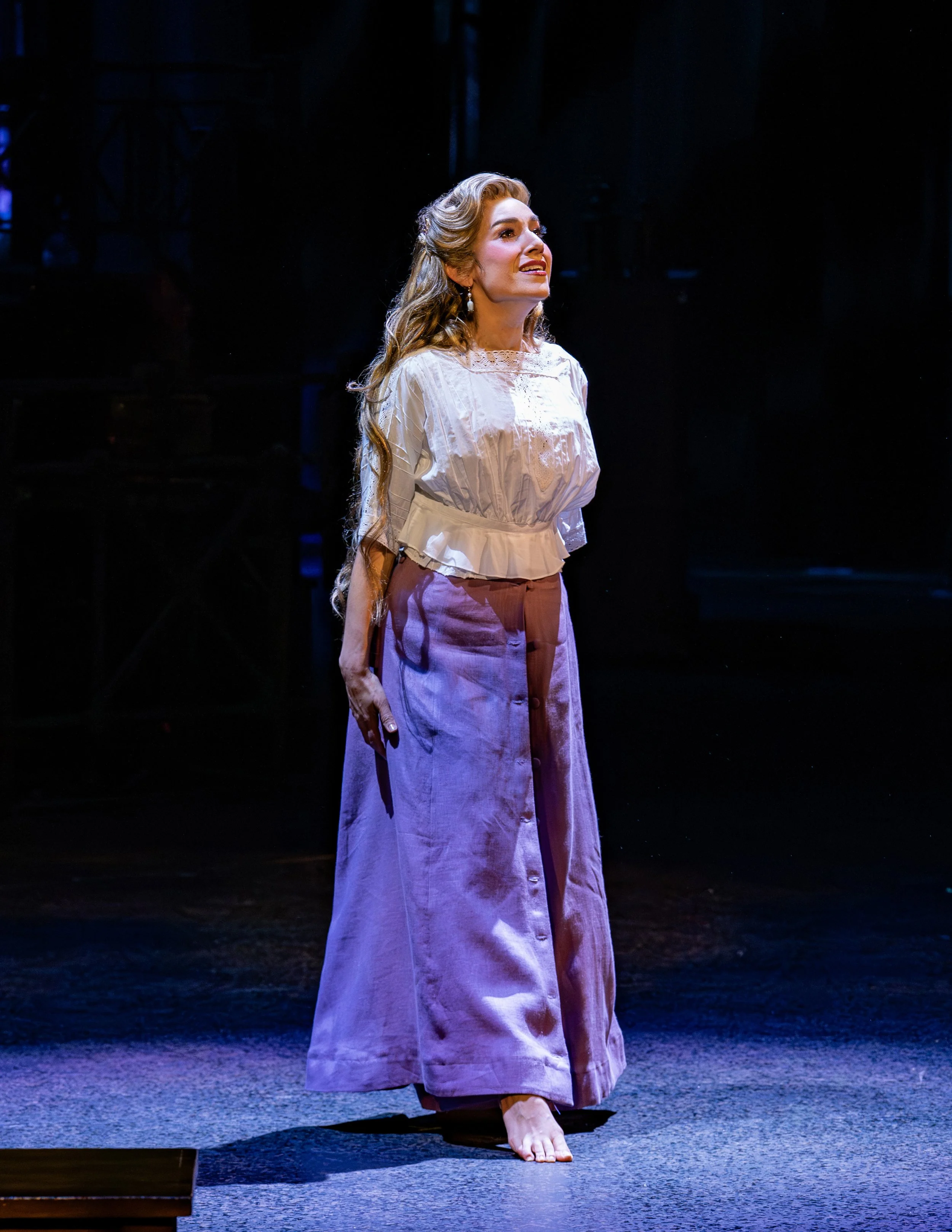
Historical figures, from Harry Houdini (Pierre Tannous) to notorious glamour girl Evelyn Nesbit (Makena Brown), step in and out of the pulsing plot, touching the lives of major and minor characters. Booker T. Washington (piously preachy J’Von Brown) tells Coalhouse not to give in to rage when white firemen destroy his new car. (Henry Ford himself — proudly grinning Max J. Swarner — sells Coalhouse his beloved Model T.) Marxist firebrand and labor leader Emma Goldman (strong mezzo Irene Rising) sings of the cruelties of child labor and the strength of unions. Emma would be proud of all the Equity actors and crew members in this superb show, proof that unions indeed work.
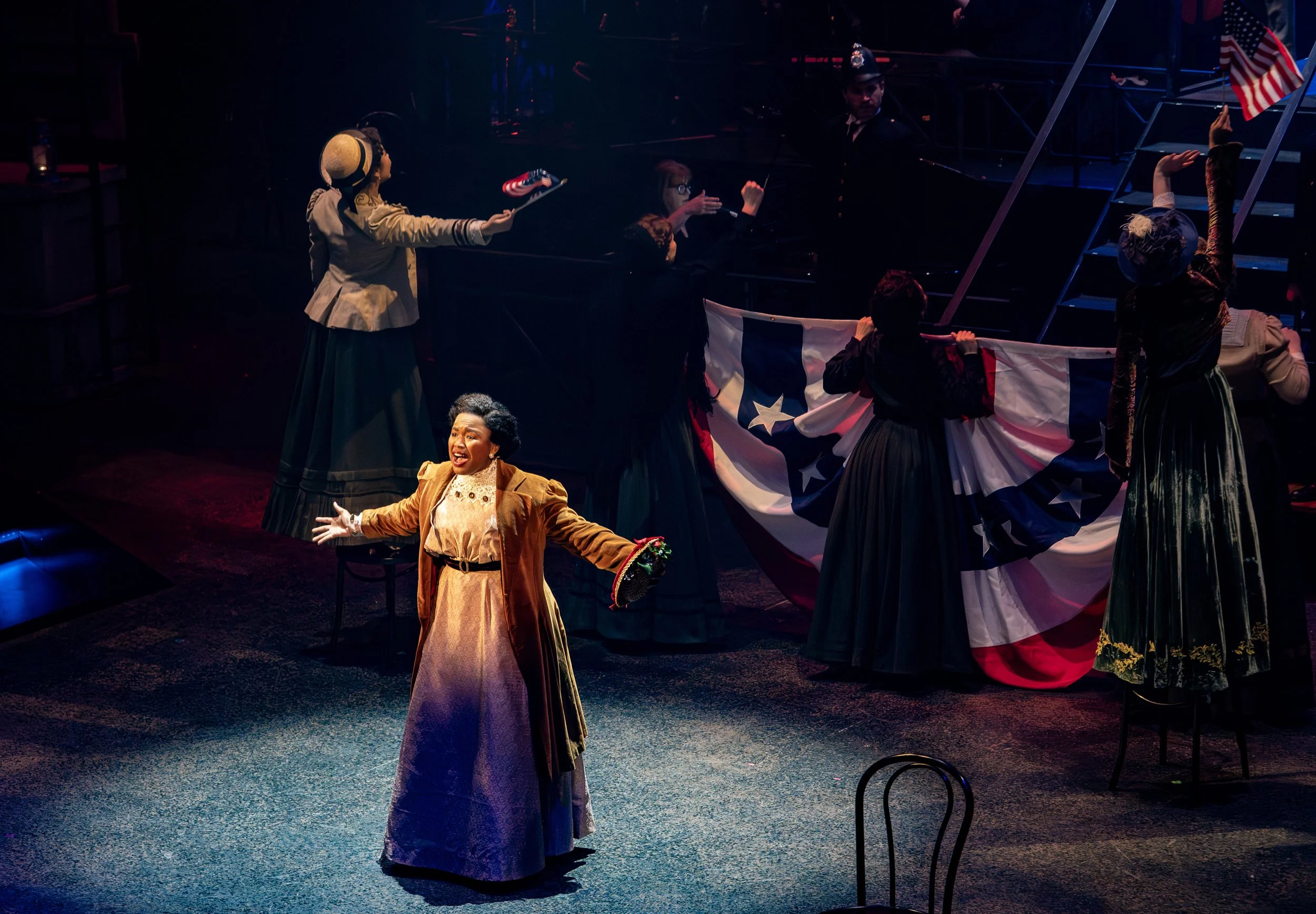
Lauren Wheat’s scenic design opens the three-sided stage to allow maximum room for strolling and dancing in Travis Chinick’s gorgeous period costumes. The balcony of the rich man’s house is hung with enormous red, white and blue buntings, and firecracker smoke bursts forth from corners of the stage, fresh from Father’s factory. A huge bridge drops from the rafters on cue when the scene shifts from suburb to city. Jessica Ann Drayton designed the vivid lighting, drenching a scene in red or blue or shades thereof, and intensifying the mood of the music.
How can all this hope and horror and melancholy and longing come together for a happy ending? It has a little to do with random chance, and much to do with love and family. Yet the happiness carries with it all the messiness and tragedy of a nation trying to move toward something like justice and peace. They’re trying; so are we still.
You need to see Ragtime. You’ll hum all the way home, and maybe do some hard thinking too. And oh — bring a hanky and a friend. You’ll need them both.
WHEN: March 27-April 19, 2026
WHERE: Wyly Theatre, Dallas Arts District
WEB: dallastheatercenter.org