Rajiv Joseph’s ‘King James’ @ Circle Theatre

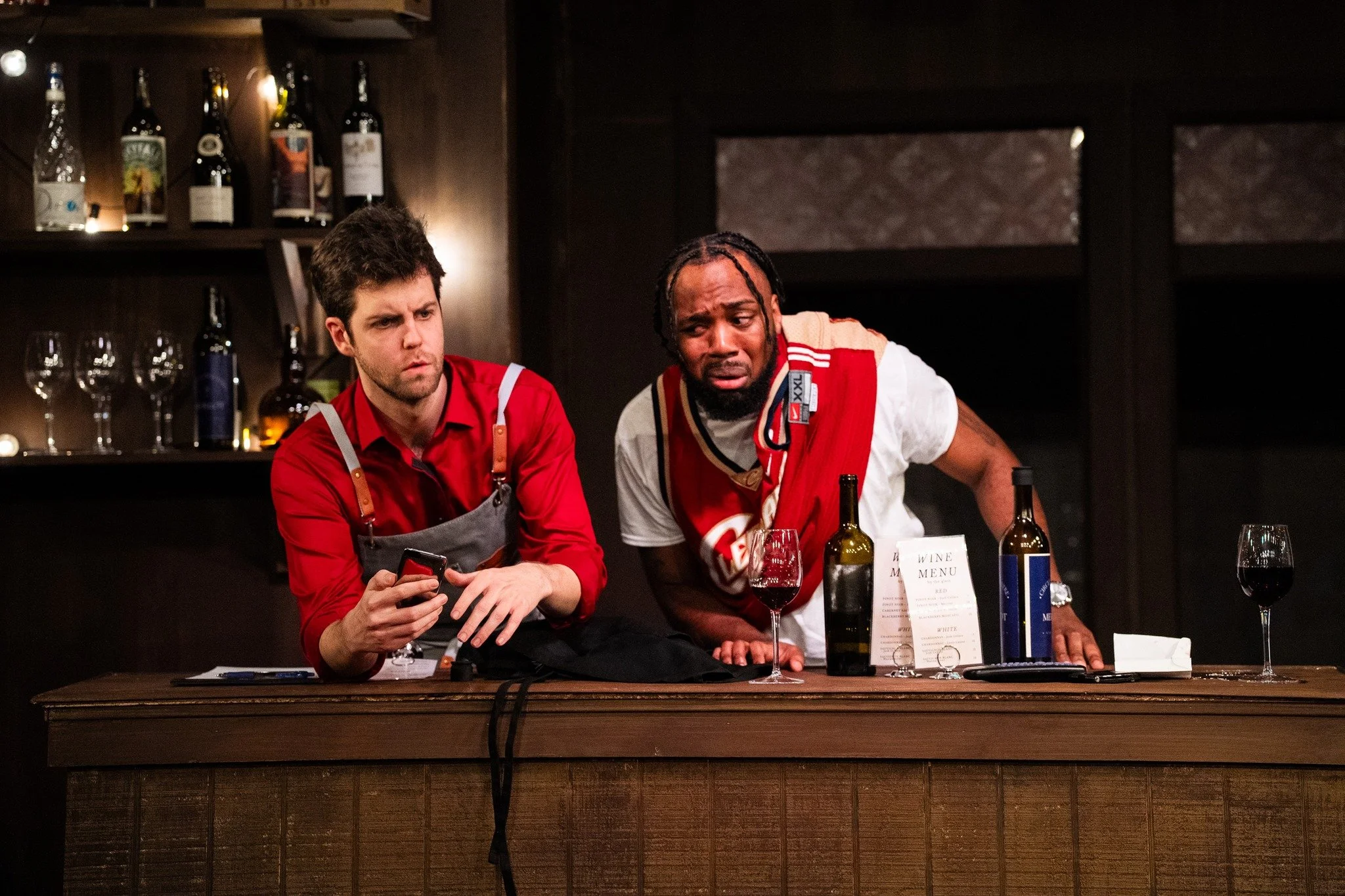
Photos by TayStan Photography
—Rickey Wax
A fan, according to the dictionary, is “a person who has a strong interest in or admiration for a particular person or thing.” The word itself, of course, comes from fanatic. But that definition only gets you so far. Admiration is easy. Obsession is easy too. The more interesting question is this: What happens when devotion to a team, a player, or even a moment in sports history becomes the language through which we learn how to care about one another?
I remember when my dad bought me my first LeBron James jersey, number 23. I gave it a bit of a side eye at first. After all, I was a Michael Jordan and Allen Iverson kid through and through. But after watching LeBron play, that hesitation faded quickly. Before long I wore that jersey to school on every game day with pride.
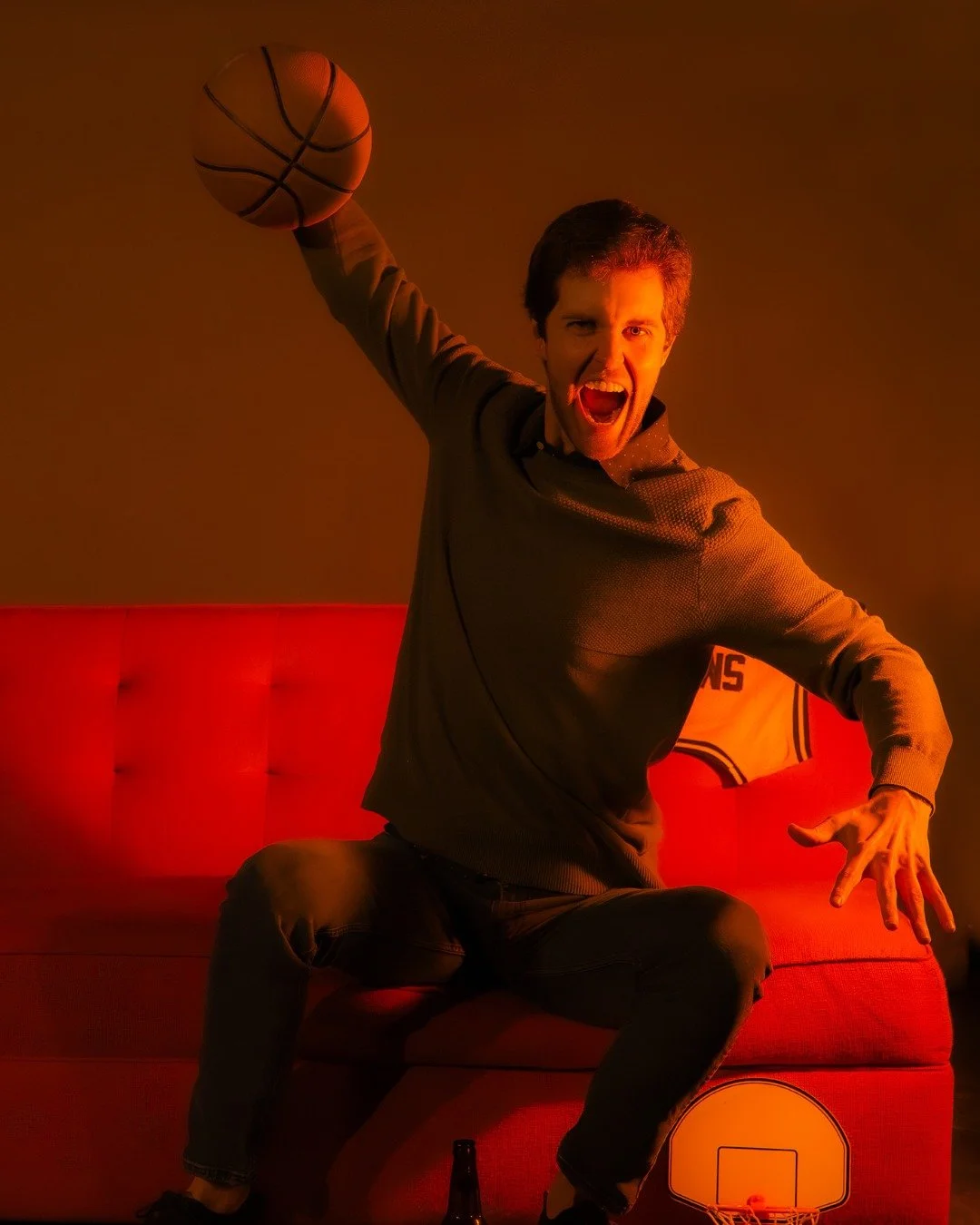
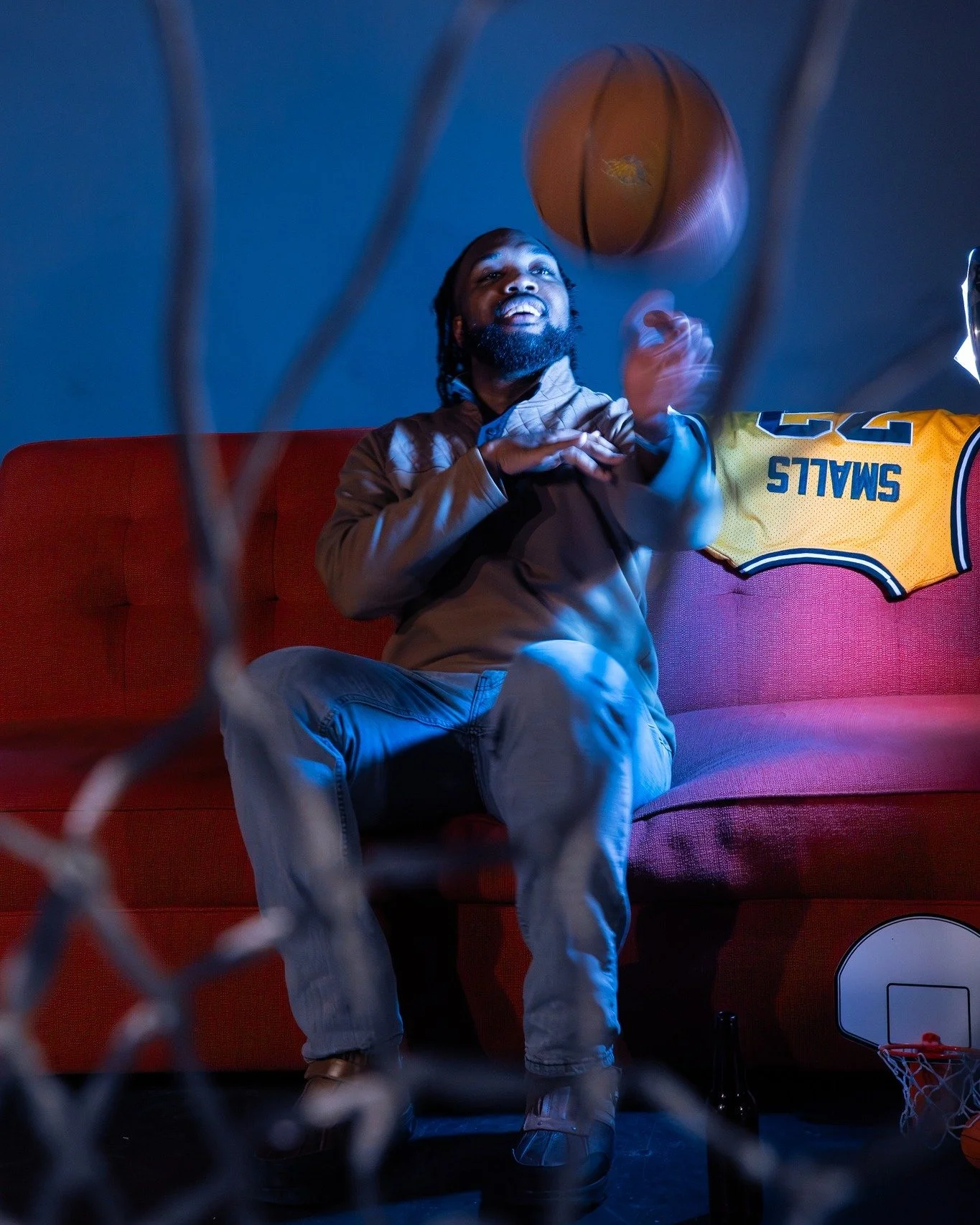
That complicated devotion sits at the core of King James, Rajiv Joseph’s two-hander about a pair of Cleveland Cavaliers fans whose friendship rises and falls alongside the career of the city’s most famous son. Structured in four quarters like an NBA game, the play traces the evolving relationship between Matt and Shawn as they navigate the highs and lows of fandom during LeBron James’ complicated relationship with the city that raised him. Under the direction of Cherish Love, each quarter feels like a different chapter in both basketball history and the emotional lives of the two men at the center of the story.
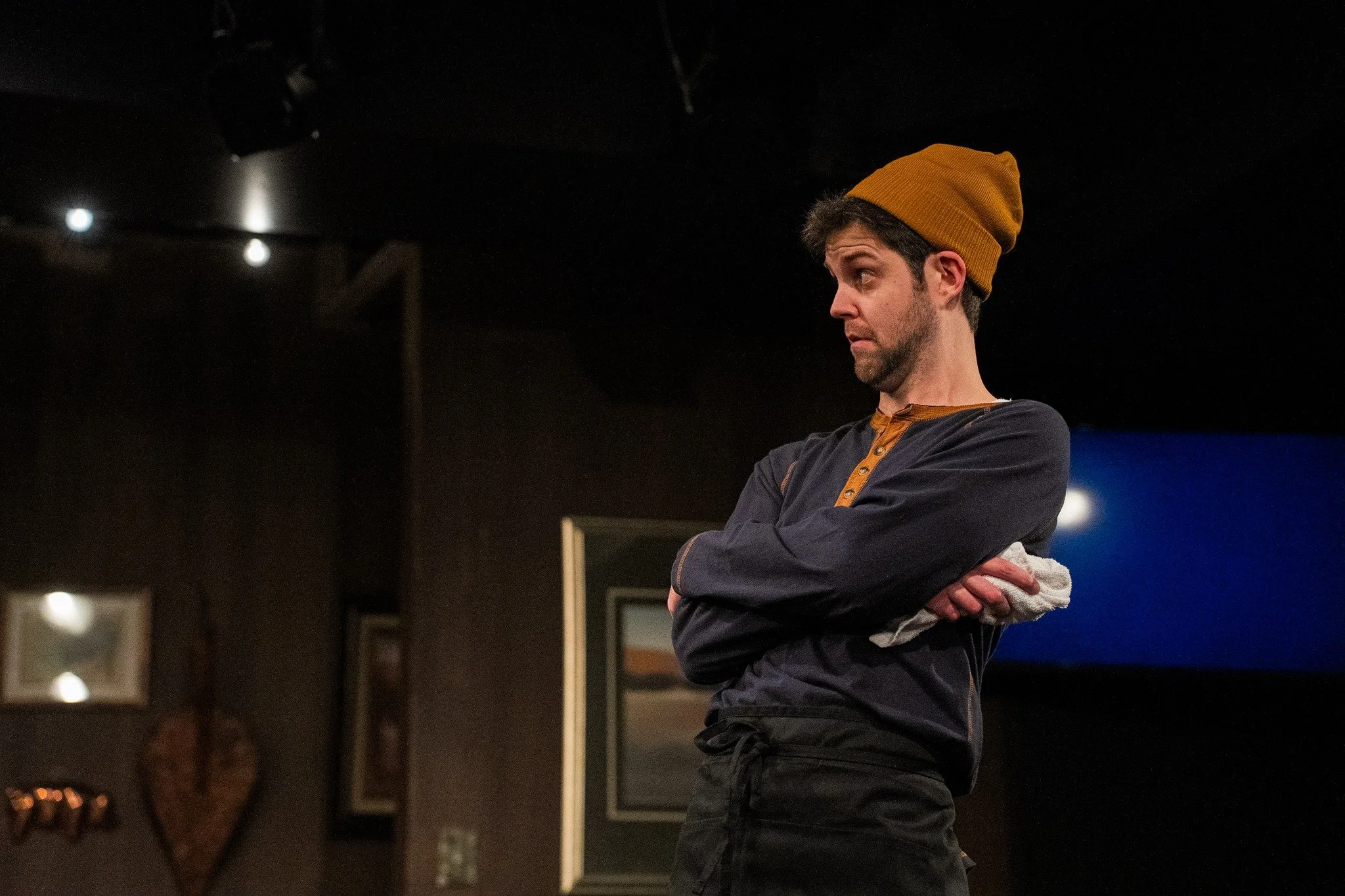
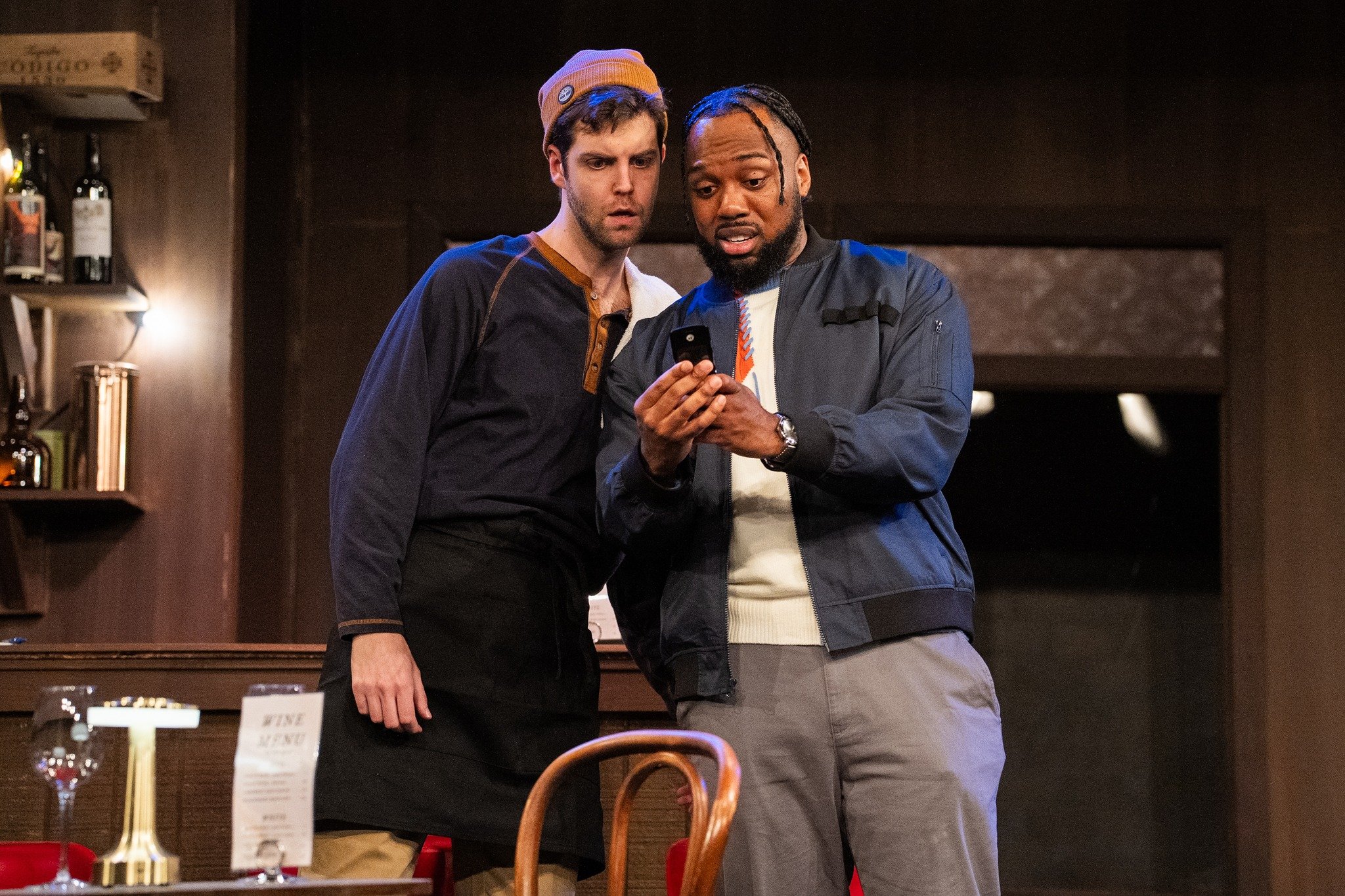
We begin in a wine bar created by scenic designer Leah Mazur—a space that feels casual, lived in, and slightly aspirational. It is here that we meet Matt, played with restless enthusiasm by Micah JL Brooks, who is waiting to sell a pair of coveted Cavaliers tickets. Enter Shawn, played by Davayun Chase, eager to buy the tickets, but less eager to meet Matt’s asking price. What begins as a negotiation over seats slowly turns into something else entirely. Matt could have made a tidy profit that night. Instead, he gains something far less predictable: a friendship.
From there the play moves through its four quarters, tracking the men through years of sports triumphs and betrayals, life transitions, and the peculiar ways fandom becomes shorthand for identity. What Joseph understands so well is that sports conversations are rarely just about sports. They are about loyalty. About hometown pride. About what it means when the person you believed in decides to leave.
One of the most electric moments arrives when the two men move downstage and unfurl a rug that becomes their improvised basketball court. The argument that follows is about LeBron, yes, but it is also about disappointment, pride, and the invisible lines of race and class that sit quietly beneath so many American conversations. The writing tightens in this moment, and both actors meet it head on.
Chase’s Shawn serves as the emotional anchor of the show. His stillness in both voice and physicality gives the character weight and steadiness, grounding the play whenever it threatens to drift into pure sports bar debate. Opposite him, Brooks brings a kinetic, almost boyish energy to Matt. At times his voice shoots into the stratosphere as he eagerly tries to prove a point. The contrast works beautifully. Where Brooks expands outward, Chase draws inward, and that push and pull becomes the engine that drives the show.
What is especially impressive is the restraint both actors display. These are roles that could easily slip into melodrama, particularly with monologues that might otherwise land as a single emotional note. Instead, the moments feel layered and conversational, shaped by rhythm and listening rather than performance alone. The effect is most apparent when they step over one another’s lines, interrupting and overlapping in ways that feel natural rather than staged. It gives the dialogue the messy, lived-in quality of two people who know each other well enough to argue without waiting their turn. The performances embrace that messiness without surrendering to excess, creating moments that feel both real and unexpectedly tender.
Before seeing this production, I will admit I had a question. Who gets to tell this story? King James is a play about male friendship, sports devotion, and emotional vulnerability. It requires nuance and care. Under Love’s direction, the answer becomes clear. Taking on the production as her directorial debut, she approaches the material with what she describes as a “woman’s touch,” and the result is thoughtful and assured. The emotional temperature of the play is carefully balanced, allowing humor, tension, and vulnerability to exist in the same space.
What emerges is a portrait of friendship built not on grand declarations but on shared rituals. Watching games. Arguing over stats. Showing up again and again even after the conversation becomes uncomfortable. In that sense, the play suggests something profound. Fandom may begin with a player, but it endures because of the people sitting beside us.
The show runs just under two hours, including a fifteen-minute intermission, and even features a halftime DJ set (featuring Kae Styron) that drew more than a few delighted laughs from the audience. It is a playful reminder that the show understands its subject matter. Basketball culture is about the spectacle surrounding it and the people that embrace it.
By the final buzzer, King James leaves us with a deceptively simple lesson. Teams change. Players leave. Heroes fall from grace and rise again. But the friendships formed in the stands, on couches, or across bar tables often outlast the game itself. And if that is not the true meaning of being a fan, it just might be the closest thing to it.
WHEN: March 5-28, 2026
WHERE: 230 W 4th St, Fort Worth, TX
WEB: www.circletheatre.com