‘Beethoven, Bach, Haydn & Mozart’ @ the Dallas Symphony Orchestra
Photos courtesy of DSO
—Wayne Lee Gay
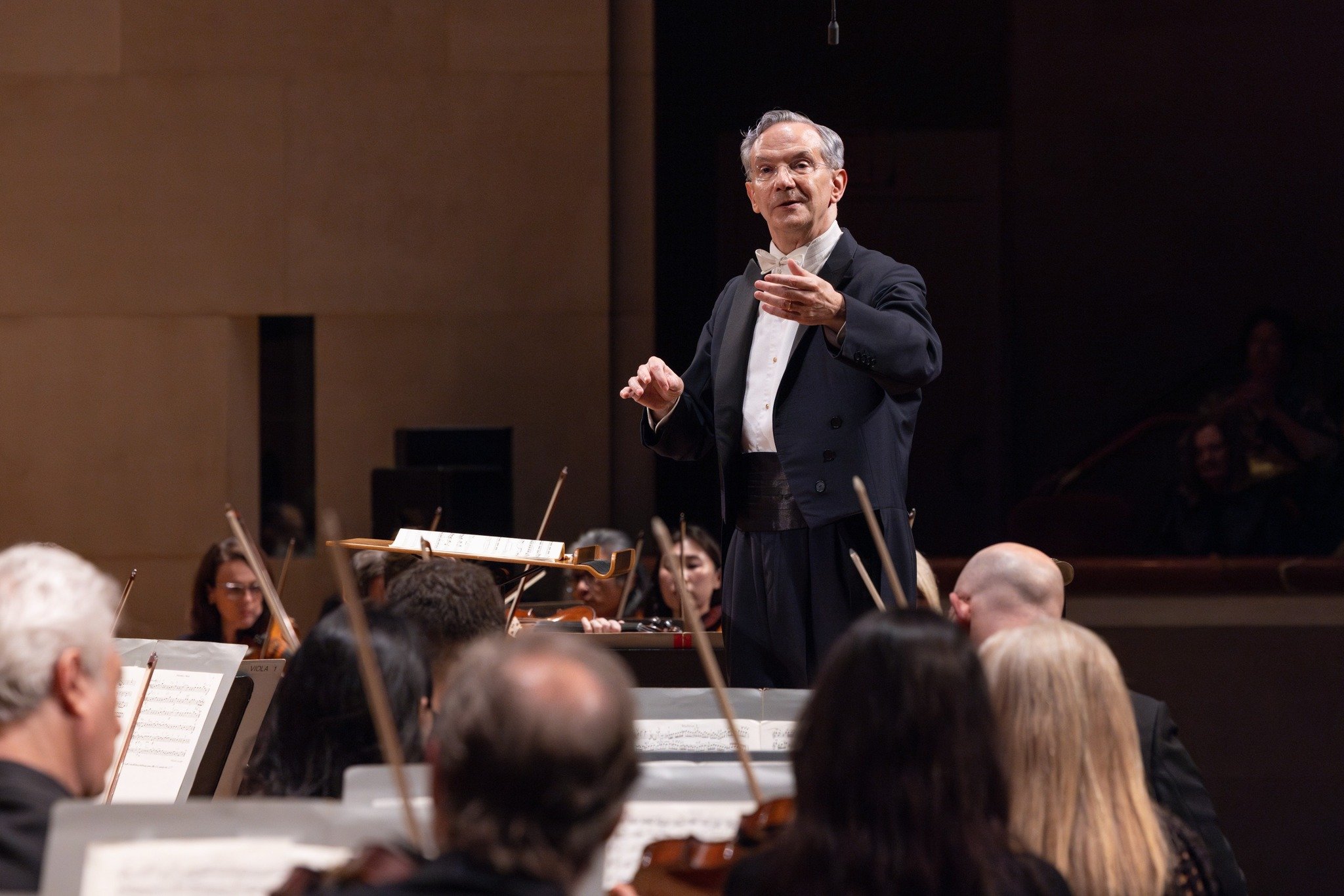
Music director Fabio Luisi is back on the podium with the Dallas Symphony Orchestra this weekend. After last weekend's journey through seventy-five years of Russian music, he's now offering an all-eighteenth-century program featuring that era's most significant German and Austrian composers: J.S. Bach, Beethoven, Mozart, and Haydn.
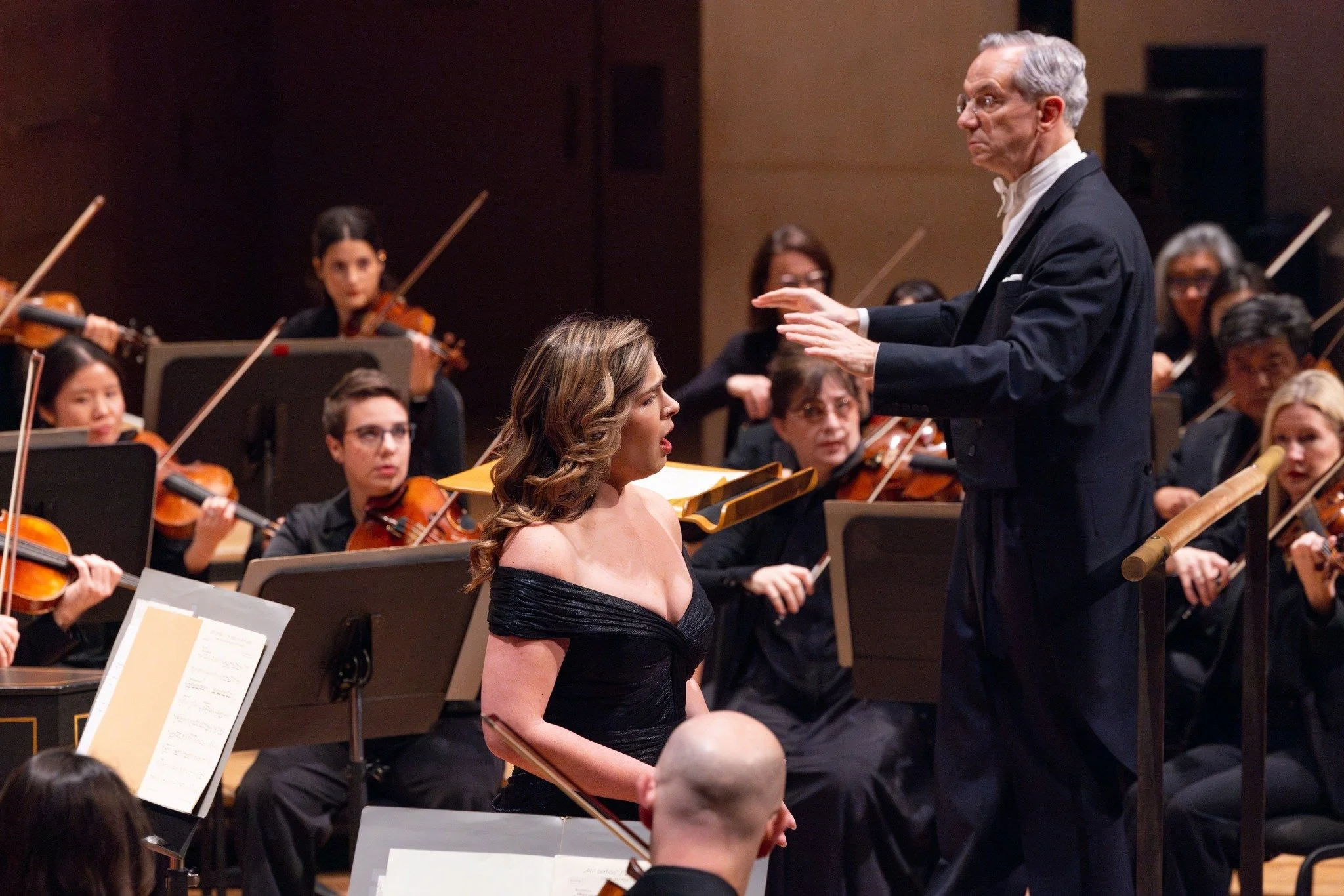
Up first, a relative rarity from Beethoven: the 15-minute-long scena, or concert aria, for soprano and orchestra, "Ah, Perfido!" It was last performed by the Dallas Symphony in 1978; I had never heard it live in my fifty years of concert attendance until Thursday's performance.
The "my-man-done-me-wrong" trope has inspired poets and song writers for millennia, from Sappho to Reba McIntyre. Musically, Beethoven's version is the apex of the genre, although both words and music were written by men. It starts out as a rage aria, basically telling the invisible object of female scorn to got to Hell, before eliding into complaint and even a bit of pleading.
Wisconsin-born soprano Kathryn Henry, a rising star on the operatic scene, takes full advantage of the dramatic possibilities of the work. Her voice is simply beautiful and perfectly controlled. While creating the proper level of intensity and definitely winning the audienc's attention in the opening passages, she conserves her full power for the moments that count, with tremendous effectiveness. Henry owns a level of charisma and musicality that points to a very significant career in the making. Conductor Luisi and the orchestra balance her perfectly, while treading the fine line of late classicism and early romanticism the work demands.
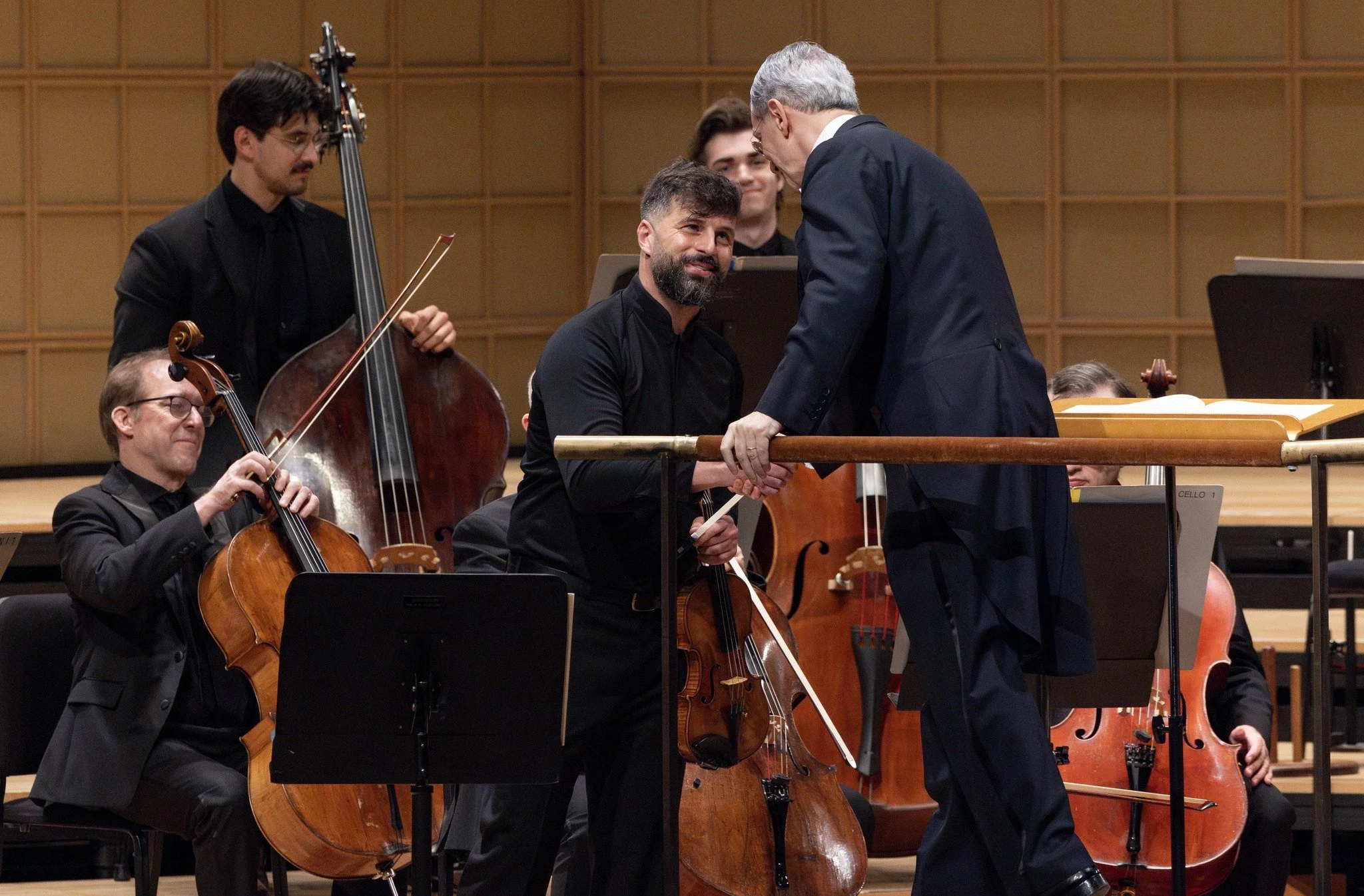
After the nod to Beethoven, DSO co-concertmaster Nathan Olson steps into the spotlight as soloist for J.S. Bach's Violin Concerto No. 2 in E, a work in some ways eons away, stylistically speaking, from the early Beethoven we’ve just heard. Bach can be problematic for modern instruments in a sizeable contemporary concert hall—but in this performance, volume levels are perfectly balanced to allow the soloist to blend with the strings while still standing out. Conductor Luisi, soloist Olson, and the string orchestra on the whole convey the energy and intimacy of Bach's music; the harpsichord in the middle of the string ensemble is, however, almost entirely inaudible, thus sacrificing the rhythmic pulse Bach intended.
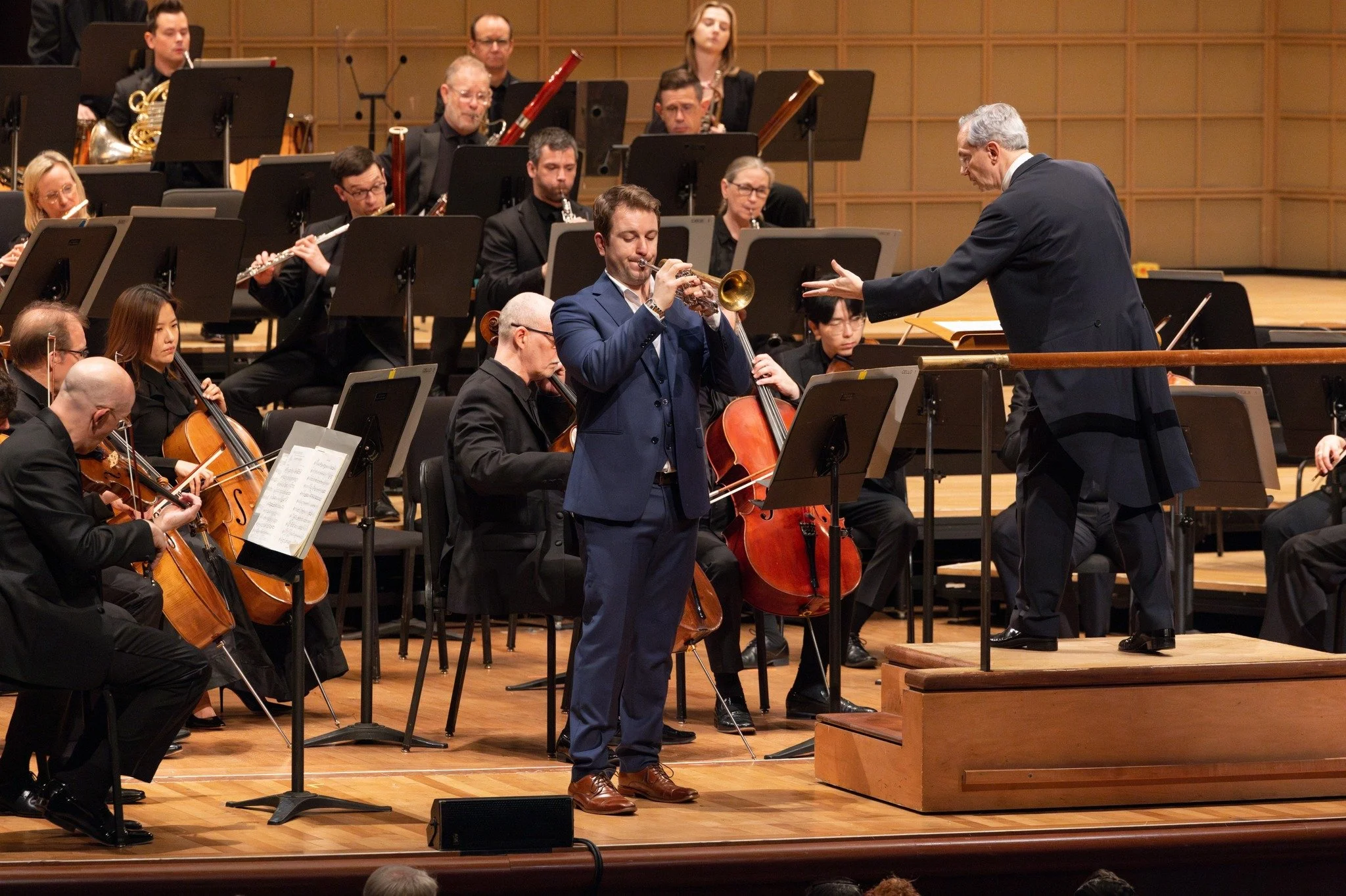
After intermission, the orchestra's principal trumpet, Stuart Stephenson, performs as soloist in Haydn's Trumpet Concerto in E-flat, a work exactly contemporary with the Beethoven aria and exploiting the chromatic possibilities of the then newly invented (and still in the developmental phase) keyed trumpet. Luisi here utilizes a larger string section than for Bach—to match the higher volume level of the solo trumpet as well as the added presence of winds. For his part, soloist Stephenson brings an assertive quality to his performance, emphasizing the work's virtuosic and energetic elements.
Mozart's "Haffner" Symphony closes the program. This is neither the super-refined nor the lyrically operatic Mozart, but rather a muscular Mozart pointing toward Beethoven. Particularly in the third movement, Luisi finds that special Mozartean aura that draws the listener both inward and forward; in the fourth movement, Luisi underlines the dramatic impetus in the contrasting ideas.
Thus, for the second week in a row, Luisi admirably delivers emotionally and artistically engaging programs with logical underlying themes: the development of Russian music last week, and this week, the pathways of eighteenth century music. With the exception of the brief performance by soprano Henry this week, Luisi has placed the attention not on big-name guest artists, but on the skill and artistry of the orchestra itself.
WHEN: May 7, 9, 10, 2026
WHERE: Meyerson Symphony Center, 2301 Flora St., Dallas
WEB: dallassymphony.org