‘Glinka, Tchaikovsky, Stravinsky’ @ Dallas Symphony Orchestra
—Wayne Lee Gay
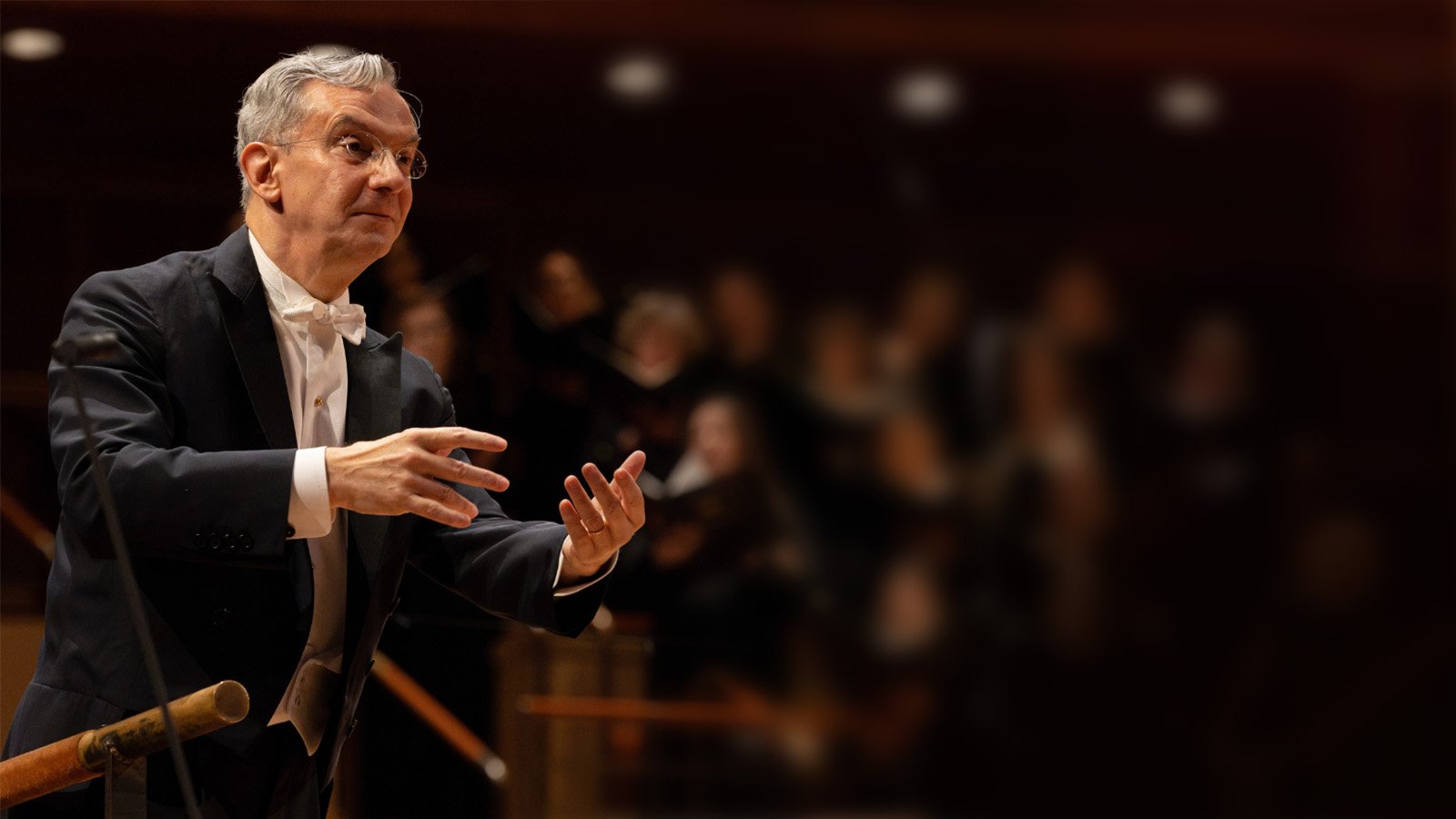
This weekend, the Dallas Symphony Orchestra and music director Fabio Luisi offer a frankly thrilling concert that's also—intentionally or not—a succinct history of the 80 years of Russian music preceding the Revolution of 1917.
Mikhail Glinka founded what we think of today as Russian classical music in the early-to-middle years of the nineteenth century, marrying elements of folk music to mainstream western European music. Equally important, he uncovered that indescribable Russian spirit that gives this music its unmistakable flavor.
Glinka’s Overture to his opera Ruslan and Ludmila of 1842 raises the curtain for the concert; conductor Luisi takes it fast and furious (at full volume), while the string section provides breathtaking virtuosity. It's not only wonderful to listen to, but visually amazing to observe the athletic—and absolutely precise—execution of this showpiece by the DSO strings.
From there, it's on to the high Russian romanticism of Tchaikovsky, in this case his Symphony No. 2 of 1873. The "big three" of Tchaikovsky's symphonic output (Symphonies 4, 5, and 6) definitely overshadow his earlier efforts, and with good reason: only in those later works did he achieve the depth of passion that places those symphonies among the most performed works in the repertoire.
Still, while not quite on the profound level of those more mature efforts, Tchaikovsky's No. 2 is rich with the composer's striking melodicism and adventurous orchestral colors. Ukrainian folk tunes appear at prominent moments throughout, hence the work's nickname: the "Little Russian" Symphony, attached by a friend of Tchaikovsky in an era when Ukraine, as part of the Czar's domain, was known as "Little Russia."
One of those folk tunes opens the symphony in the form of an extended horn solo, beautifully performed by Dallas Symphony associate principal horn David Heyde, and laying the groundwork for a gradually building climax in the movement. The fourth and final movement opens with self-conscious grandeur, shifting to a set of variations on another folksong, leading (after a more lyrical contrasting section) to a happy ending—something never to be taken for granted in Tchaikovsky.
After intermission, Luisi and orchestra forge ahead 40 years to Stravinksy's 1910 ballet Firebird(here performed in the composer's arrangement and revision of 1945—which Stravinsky himself conducted in Dallas with the DSO in 1946).
In terms of history, the original Firebirdlaunched Stravinsky on the pathway that, together with the ensuing ballets The Rite of Spring and Petrouchka, laid the foundation of twentieth-century music. While Firebird is the most tame of that triptych—somewhat less dissonant, and arguably more traditionally beautiful—it is equally enthralling. Luisi neatly underlines the striking Stravinskian colors and goes full force into the sometimes jolting transitions, while aiming toward that gorgeously breathtaking final section—and thus concluding a concert that beautifully shows off an amazing conductor and superb orchestra.
WHEN: April 30, May 1-3, 2026
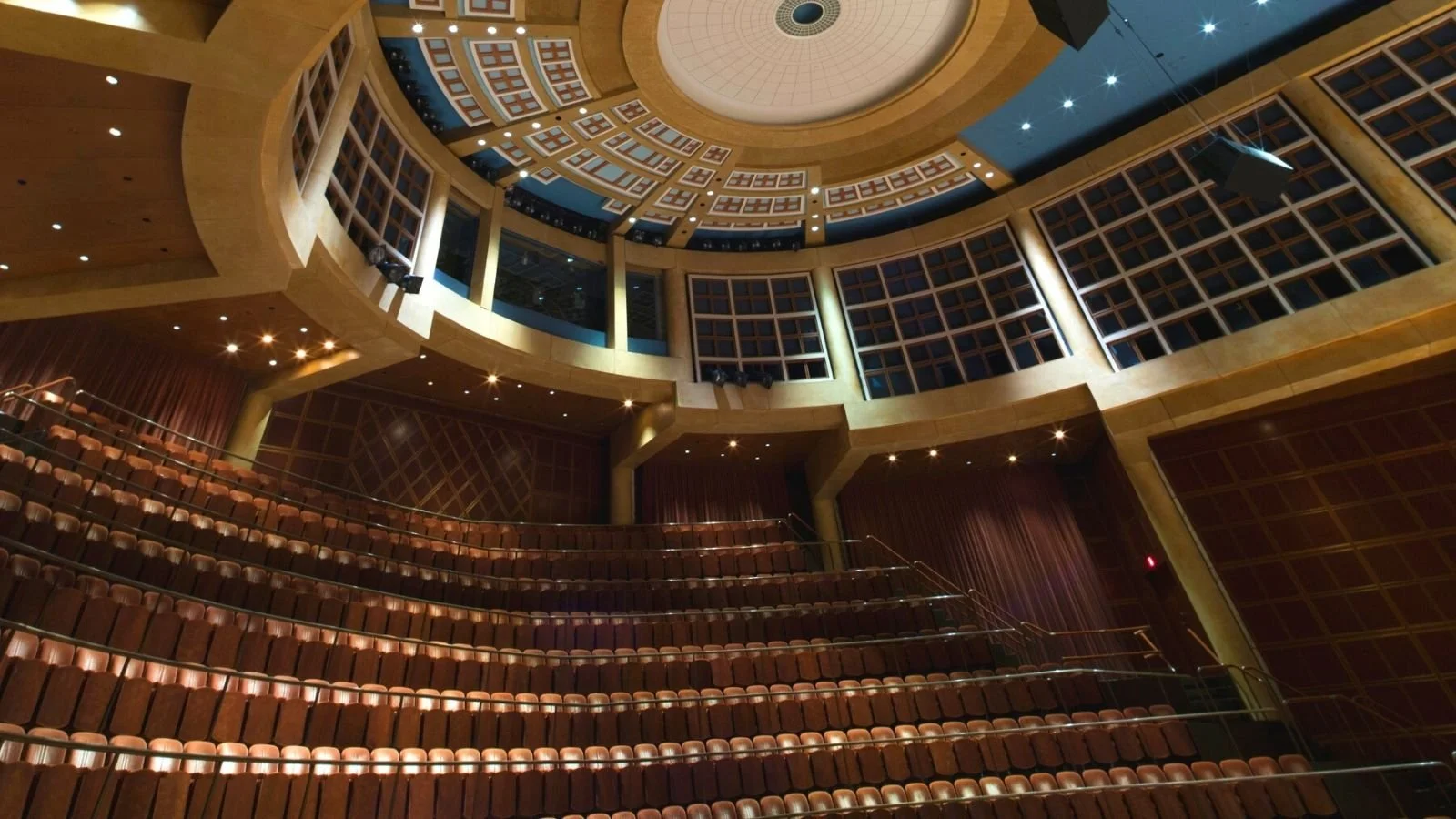
WHERE: Meyerson Symphony Center, Dallas Arts District
WEB: dallassymphony.org