‘Mendelssohn, Dvořák, Leshnoff’ @ Dallas Symphony Orchestra
—Wayne Lee Gay
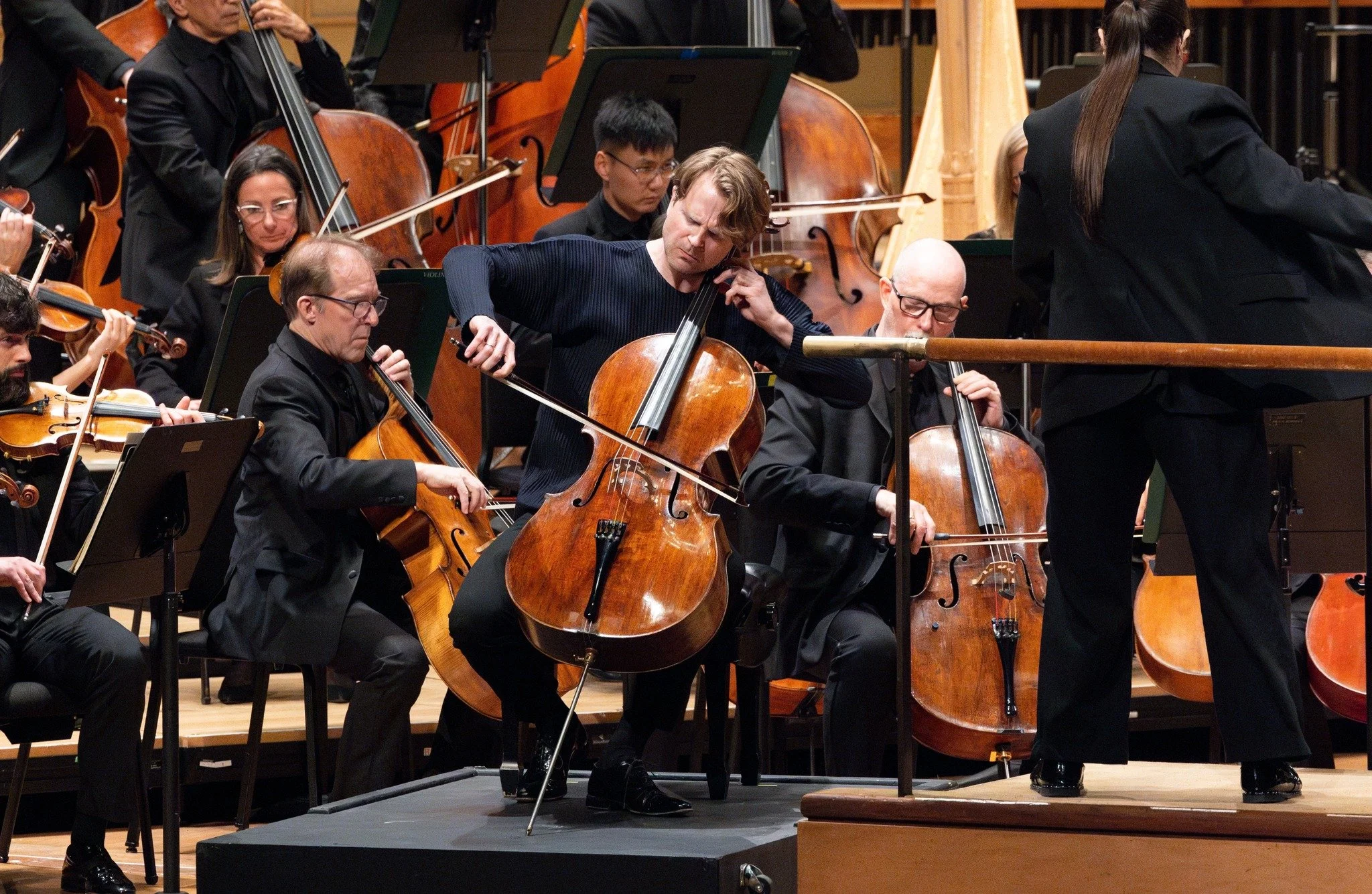
A powerful rendering of Dvořák's Cello Concerto anchors this weekend's concerts by the Dallas Symphony, featuring Colombian guest conductor Ana Maria Patiño-Osorio and German cellist Julian Steckel.
Dvořák's monumental work is the main item in the very short list of standard concertos for cello, but it stands near the pinnacle of all concertos in its broad expansiveness, its flawless structure, its generous lyricism, and its remarkable emotional range. Composed during the composer's brief residency in New York City (contemporaneous with his "New World" Symphony), it displays his magical ability to convincingly meld folkloric material to classical form on a level unmatched by any other composer.
After the brief, soft opening utterances, conductor Patiño-Osorio brings the orchestra in at full force. Even given the composer's indication of fortissimo, it's a risky strategy to turn the orchestra volume up to full blast so early in the work. In this case, however, Patiño-Osorio's approach works beautifully to frame the entrancingly assertive tone soloist Steckel brings to the solo cello. Despite the ear-catching muscularity of his tone—capable of matching the orchestra's full power—Steckel achieves a consistent beauty of timbre, colored by an appropriately romantic vibrato.
After the hymnlike opening passage of the second movement, Steckel glides smoothly into the songlike lyricism of the second theme: rchestra, conductor, and soloist are equally at home in the complexities of the final movement, culminating in the breathtaking alternation of reflection and grandeur that crowns the lingering final moments.
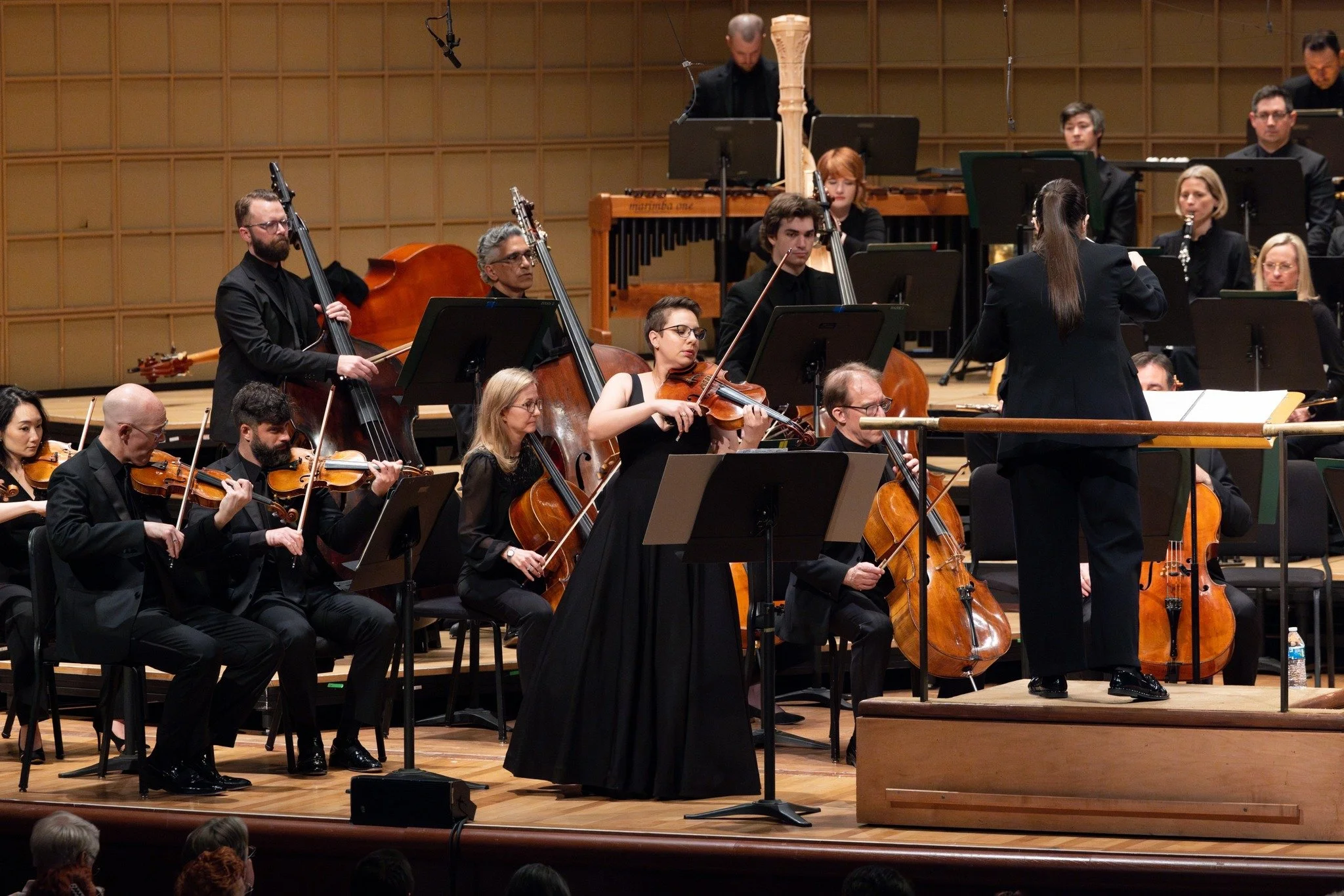
The second half of the concert brings New Jersey-born, Maryland-based Jonathan Leshnoff's Scenes from Childhood for viola and orchestra, a 16-minute work made up of four descriptively-titled movements. (Thursday night's performance was the world premiere of the work.) "Walks with my Father on Chilly November Nights" evokes simple, youthful emotions, but with a unique orchestral aura influenced by the repetitions and static tonality of Glass-style minimalism. Likewise, "Fun at the Beach with my Family" unmistakably portrays simple pleasures of seaside adventures, yet without sounding like any pre-conceived notion of wind and waves. "Alone" is more introspective, presenting a tune such as might have been created by Barber or Rachmaninoff, and that movement segues seamlessly into the final "Practicing Bach Partitas (Homage to Bach)," borrowing the busy, energetic rhythms of Bach's Partitas for Violin in recollection of the composer's days as a young student of violin.
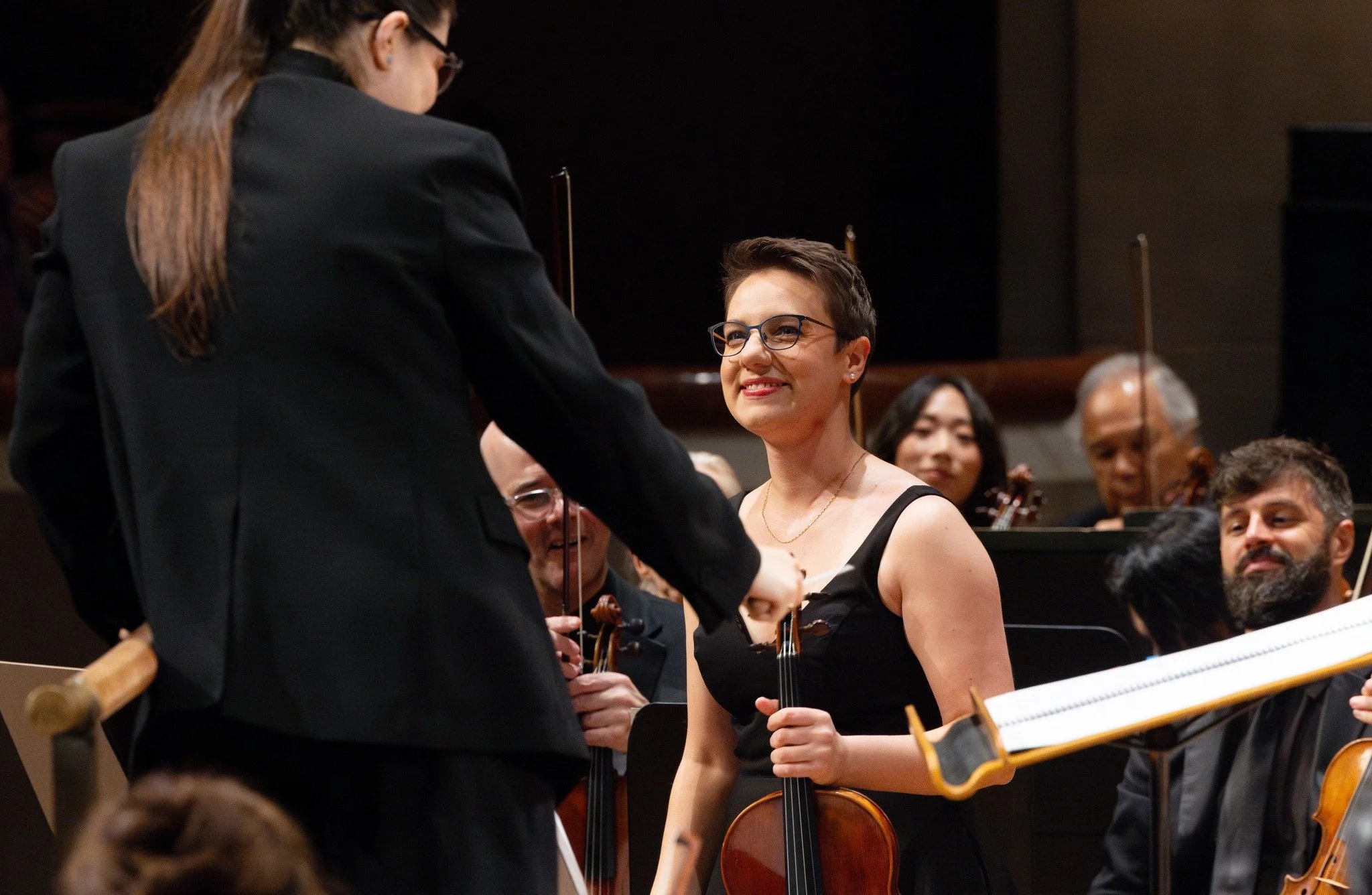
The viola solo in Scenes from Childhood is constant and somewhat demanding technically, but without blasting into fireworks. Showmanship is not the point here. Dallas Symphony principal viola Meredith Kufchak performs her role as soloist steadfastly and with the gentle expressiveness the work requires.
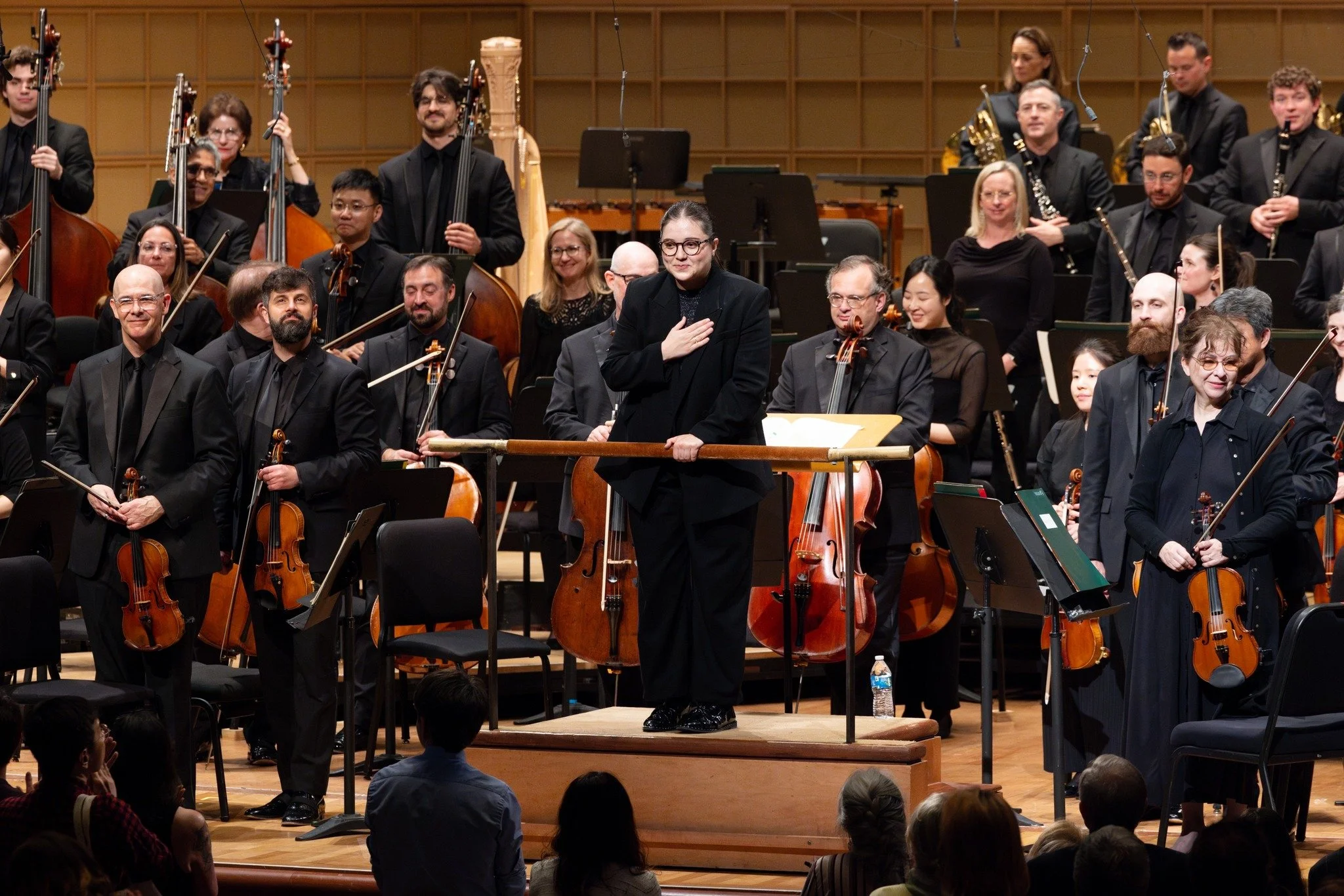
Mendelssohn's Symphony No. 4 in A ("Italian") rests on the earlier, lighter edge of nineteenth-century romanticism; however, conductor Patiño-Osorio takes a full-blown romantic approach, to consistently good effect. Compositionally, it's an expertly conceived, expertly realized work; emotionally, it's basically a set of sketches of Italy as seen through the eyes of a wealthy, talented tourist from north Germany.
Indeed, the one flaw in this admirably performed program lies in a certain comfortable homogeneity of mood. The Dvořák work offers its share of thrills, but the second half is amost too comfortably serene. Each of the three works on the agenda is well worth hearing. Strung together, the concert is on the tame side.
WHEN: April 16-19, 2026
WHERE: Meyerson Symphony Center, Dallas
WEB: dallassymphony.org