Luisi Conducts Bruckner’s 9th @ The Dallas Symphony Orchestra

—Wayne Lee Gay
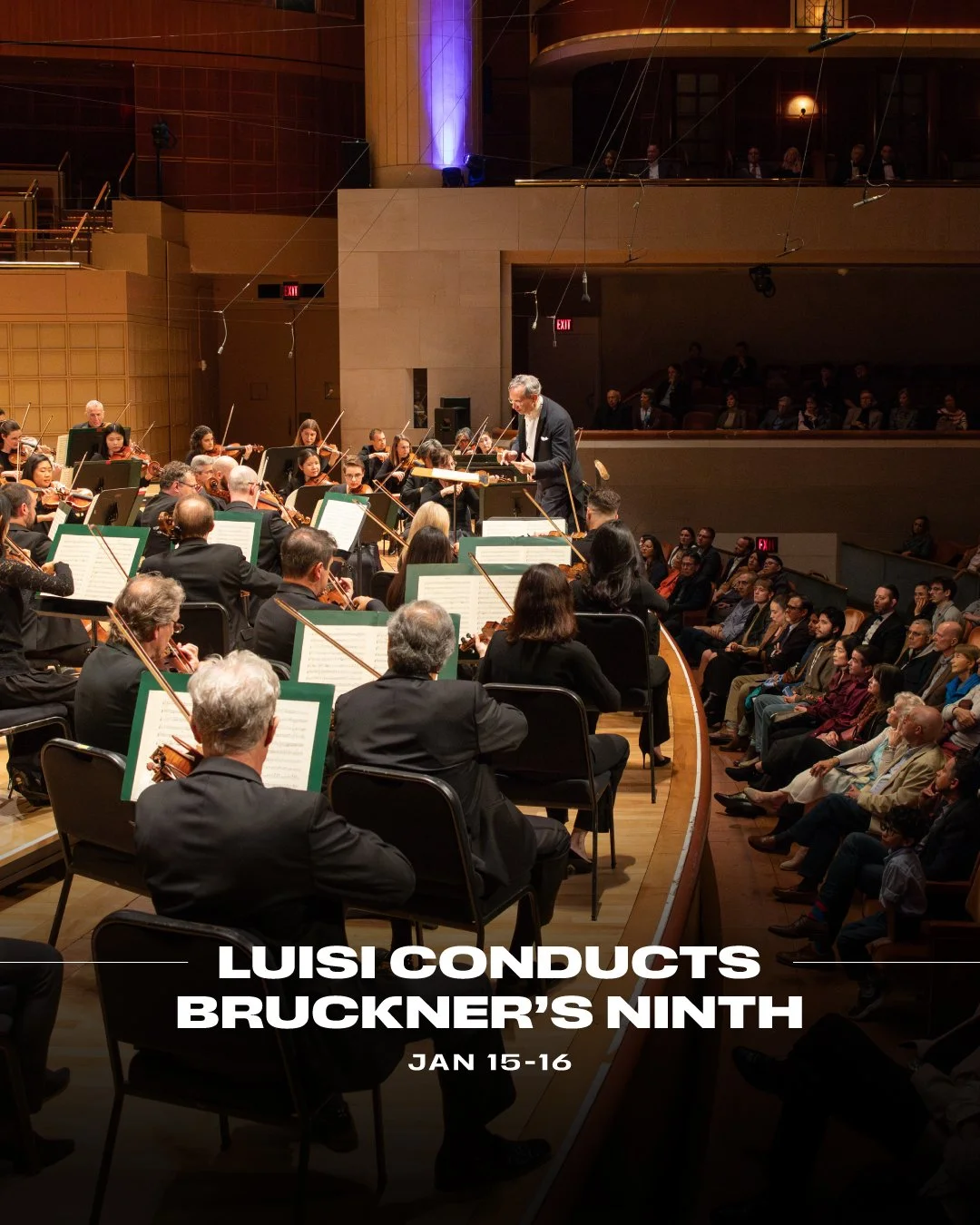
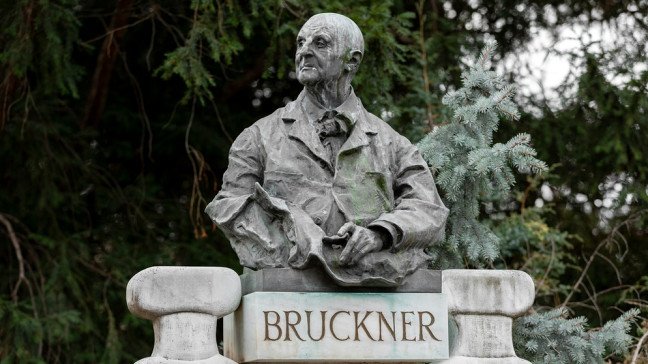
Anton Bruckner's Ninth Symphony spreads glorious moments of majesty, sorrow, triumph and serenity across seventy minutes. This weekend, the Dallas Symphony Orchestra and music director Fabio Luisi present that monument of the symphonic repertoire in a superbly executed performance.
The work is well worth the attention of any devoted lover of symphonic music. On the one hand, Bruckner picks up Wagner's pen and applies the intense harmonic and emotional language of Wagner's operas to symphonic structure. On the other, he foreshadows Mahler in the expansion of symphonic form to heroic proportions. To his credit, Bruckner explored the scope and possibilities of the symphony on a level comparable to Beethoven. (Intriguingly, in spite of the seventy minutes of space this formidable symphonies occupies in its three movements, Bruckner actually intended to write a fourth movement, adding another twenty minutes or so to the already massive work.)
After a darkly imposing opening, Bruckner declares his intent in a soaringly grand theme for strings—beautifully shaped by conductor Luisi with a wonderfully concise string section. Though there's no specific extramusical association, Bruckner hints at a sylvan landscape as the movement progresses with horn calls and an ongoing forward urgency—once again, definitely looking back toward Wagner and anticipating much of Mahler.
Yet Bruckner's shortcomings as a composer are revealed as well. His wonderful harmonic excursions all too often fail to arrive at a satisfactory conclusion, and his modulations from one key to another are often mundane and repetitive—rather like a church organist (an occupation he held for many years) playing through from the hymn to the offertory.
Brass and percussion come to the fore in the controlled fury of the second movement, contrasting with a strikingly lyrical middle section: Bruckner gives every section in the orchestra considerable challenges, all well-met by the DSO and conductor Luisi. In this movement, Bruckner seems determined to follow the rules of symphonic structure at the expense of the listener's attention.
Definite shades of Wagner introduce the third and final movement: once again, gorgeous and striking ideas captivate, with the orchestra ably guided by Luisi. As throughout this flawed masterpiece, the listener can here be thrilled by magnificent music undermined by the pedantic and ineffective structural choices of the composer.
WHEN: January 15-16, 2026
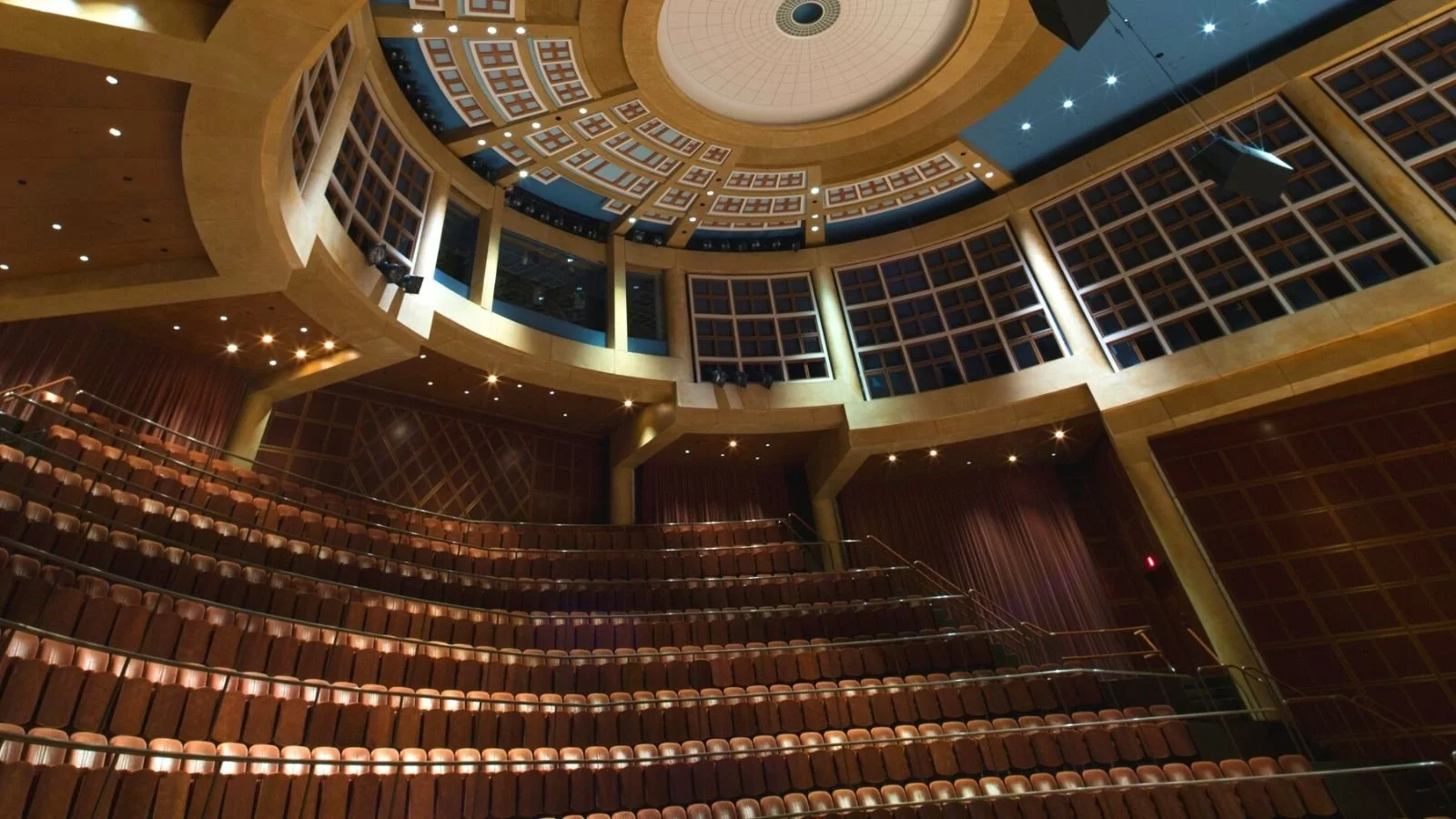
WHERE: Meyerson Symphony Center, Dallas Arts District
WEB: dallassymphony.org