‘So You Want to Talk About Race - 5th Annual Banned Books Festival’ @ Bishop Arts Theatre Center

—Ramona Harper
Hard conversations are hard. And conversations about race are among the hardest. But Ijeoma Oluo, author of the New York Times bestseller, So You Want to Talk about Race, says, “We have to have these conversations…we are all products of a racialized society, and it affects everything we bring to our interactions.”
In selecting Oluo’s work for the Bishop Arts Theatre Center’s 5th Annual Banned Books Festival, Teresa Coleman Wash—the company’s founder and executive artistic director—says in respectful agreement that “Courage is the heartbeat of this festival.”
And in a program note from Aaron Glover, executive director of The Writer’s Garrett (a partner with BATC in presenting this year’s festival), writes that he believes “In the United States in 2026, we have a critical need for more conversations about race informed by strong reasoning and courageous honesty.”
Artistic expression defiantly promotes the courage to confront social injustices by relying upon truth to help us see the human condition with stark clarity. The arts look directly in the face of our dearest hopes and greatest fears to find humane solutions for living in a more just society.
In So You Want to Talk about Race, Ijeoma Oluo presents a first-person narrative written as a how-to tool kit, using the literary arts to press humanity forward into action. The Banned Books Festival, directed by Charles Jackson, Jr., takes the page to the stage toward personal responsibility and clear-eyed action by going directly to the source of much of our social pain in the United States—racism and white supremacy, in which both the oppressor and the oppressed suffer.
In considering the intent of Oluo’s work and the message within its imaginatively staged representations, it’s helpful to understand the writer’s definition of racism: “ A prejudice against someone based on race, when those prejudices are reinforced by systems of power.”
Six local playwrights were commissioned to take a chapter from Oluo’s “tool kit” to create a 10-minute play based on an issue included in the book, highlighting the harm perpetuated by racist systems of power.
Truth has a way of cutting to the core, and although each of the six pieces have artistic merit as well as great entertainment value—and are peppered with fun and humor as well as sadness, anger, and frustrations—neither the book nor its dramatic representations allow audiences to remain comfortable in our comfort zones:
Showing Up Isn’t Easy by Brandon Jackson
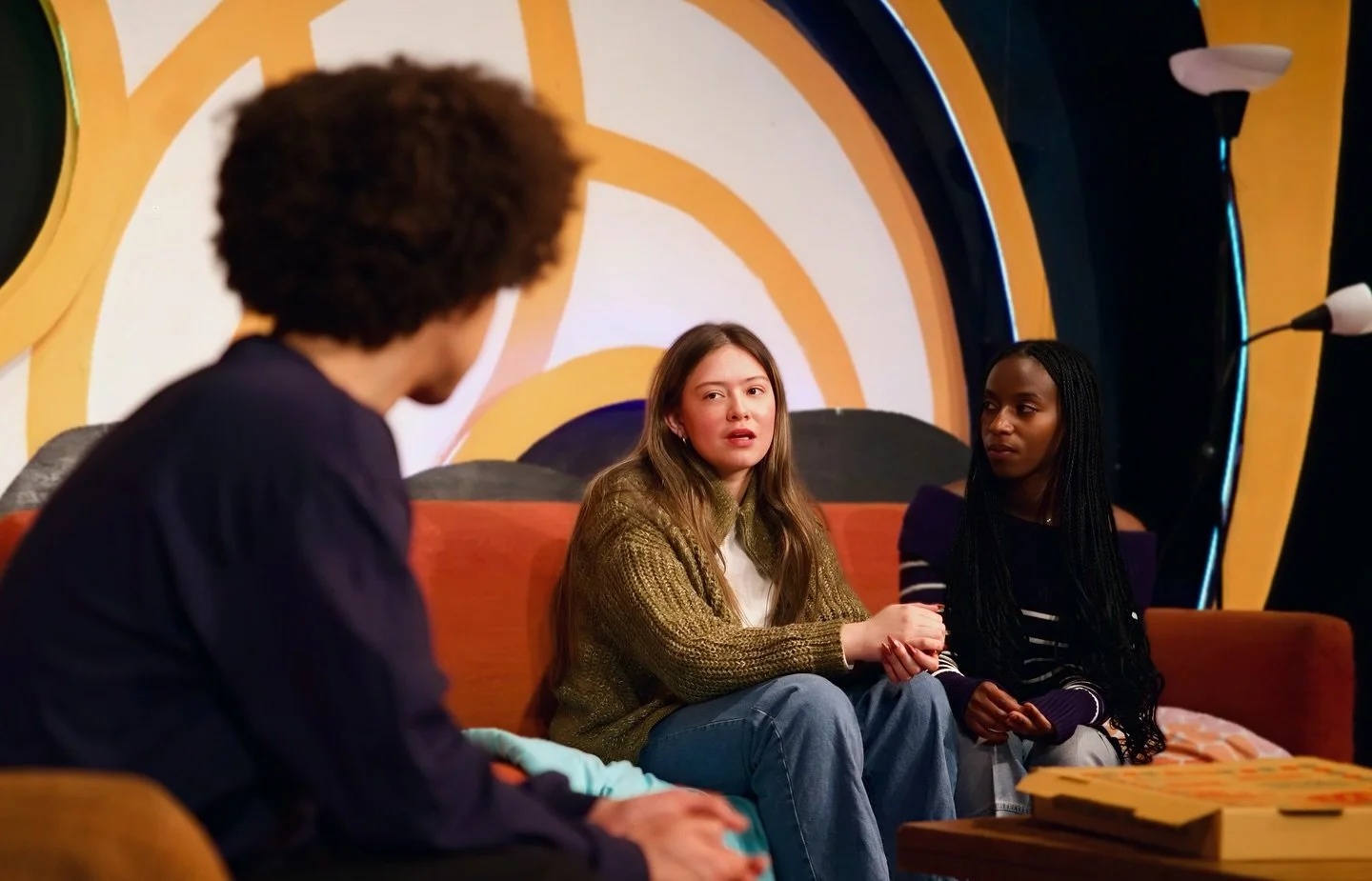
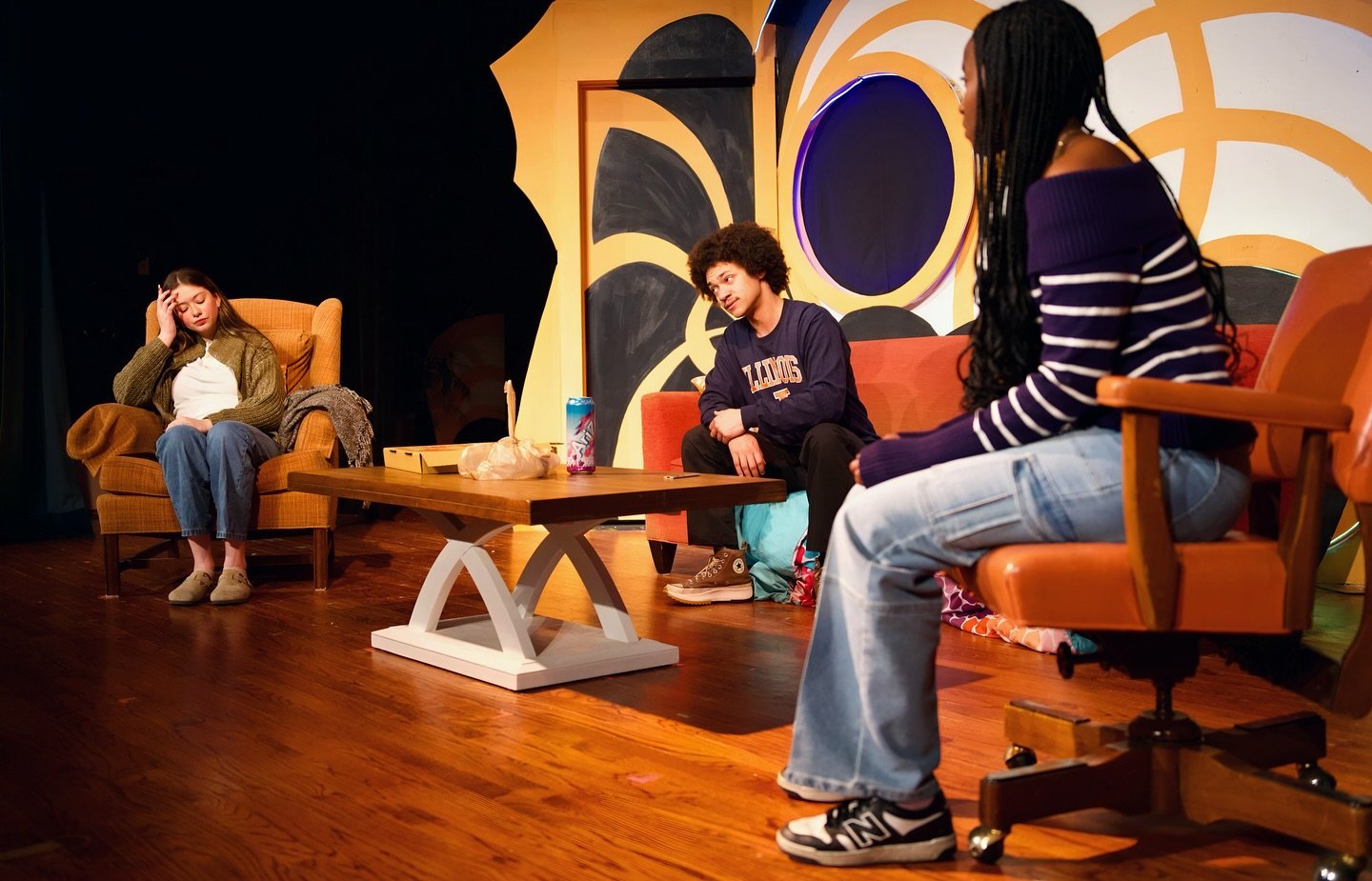
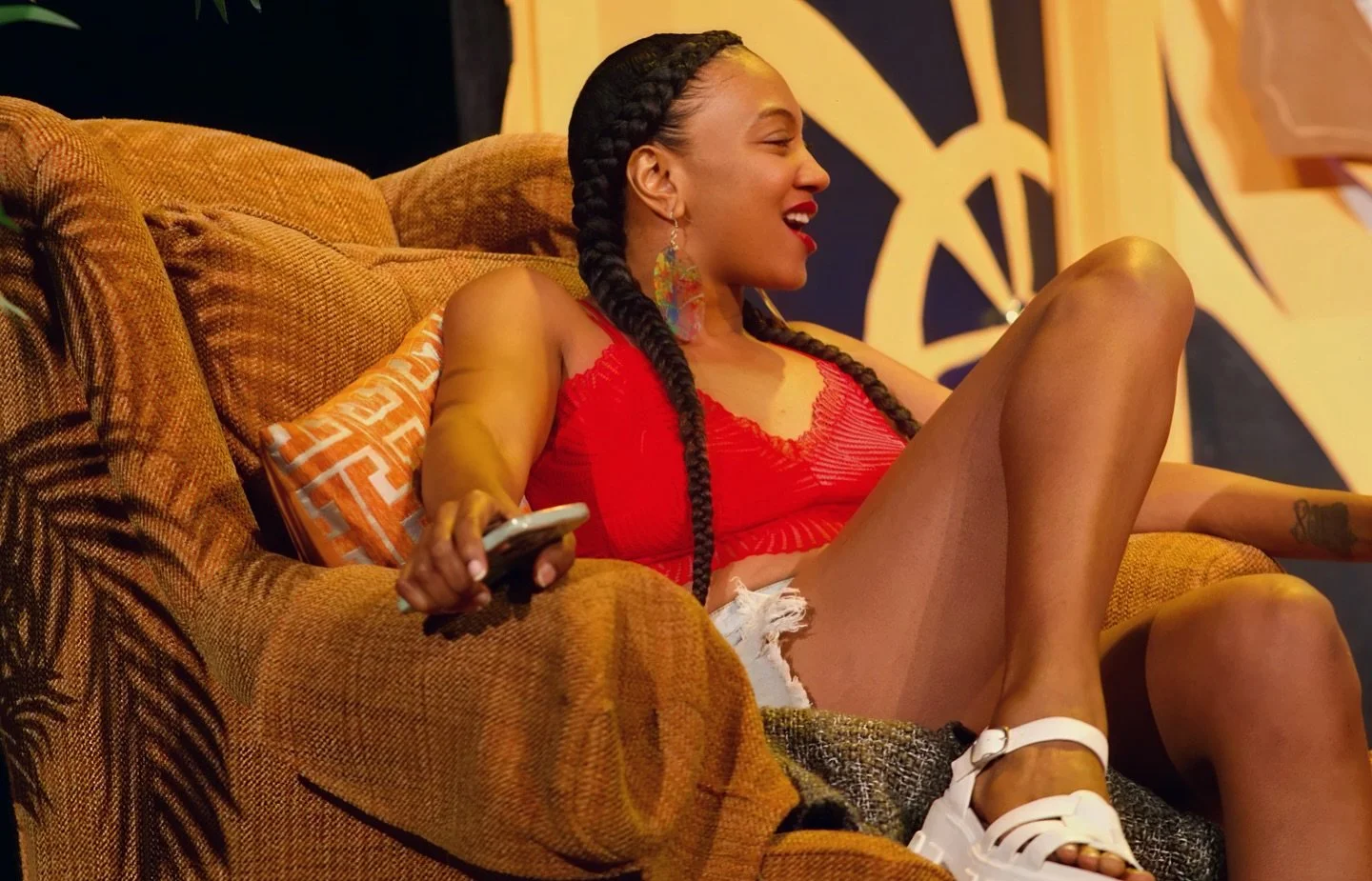
A white girl struggles to be part of a conversation with two Black friends (the performers are Faith Beene, Ash Vance, Bev Mageto) when an anonymous, hate-filled social media post forces them to talk about its racist tropes. The problem of not knowing how to have a conversation about race inevitably shows up. Unintentional microaggressions and just plain getting it wrong happen when “good white people” attempt to have a conversation about race with Black people.
An expected reaction from Black folx is, “ We don’t need allies but accomplices!” Conversation is key to solving the problem of how to deal with one another in a society in which race is an undertone in just about every social interaction, and this short piece says the hard parts out loud.
One Last Night by De’Aveyon
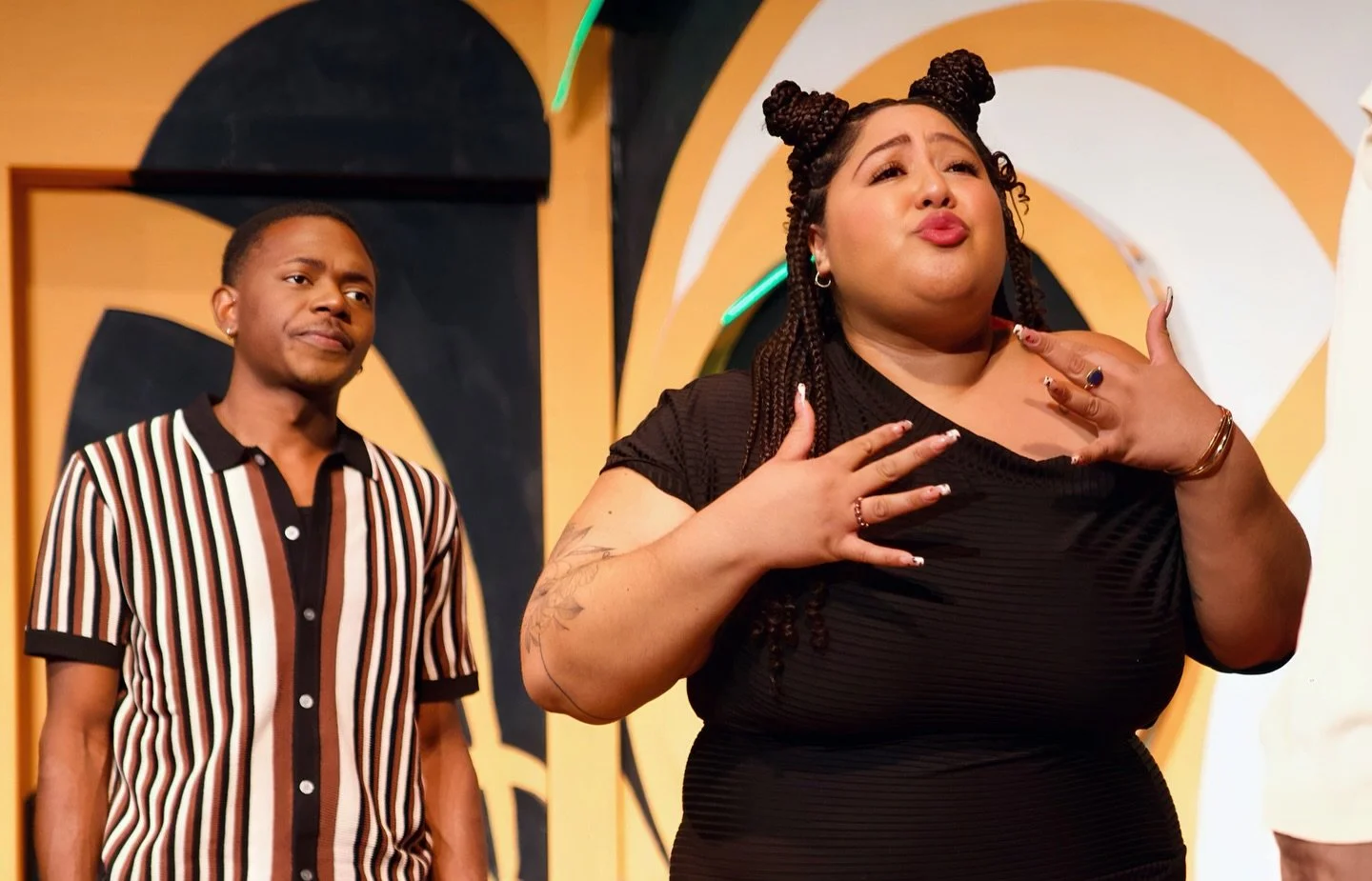
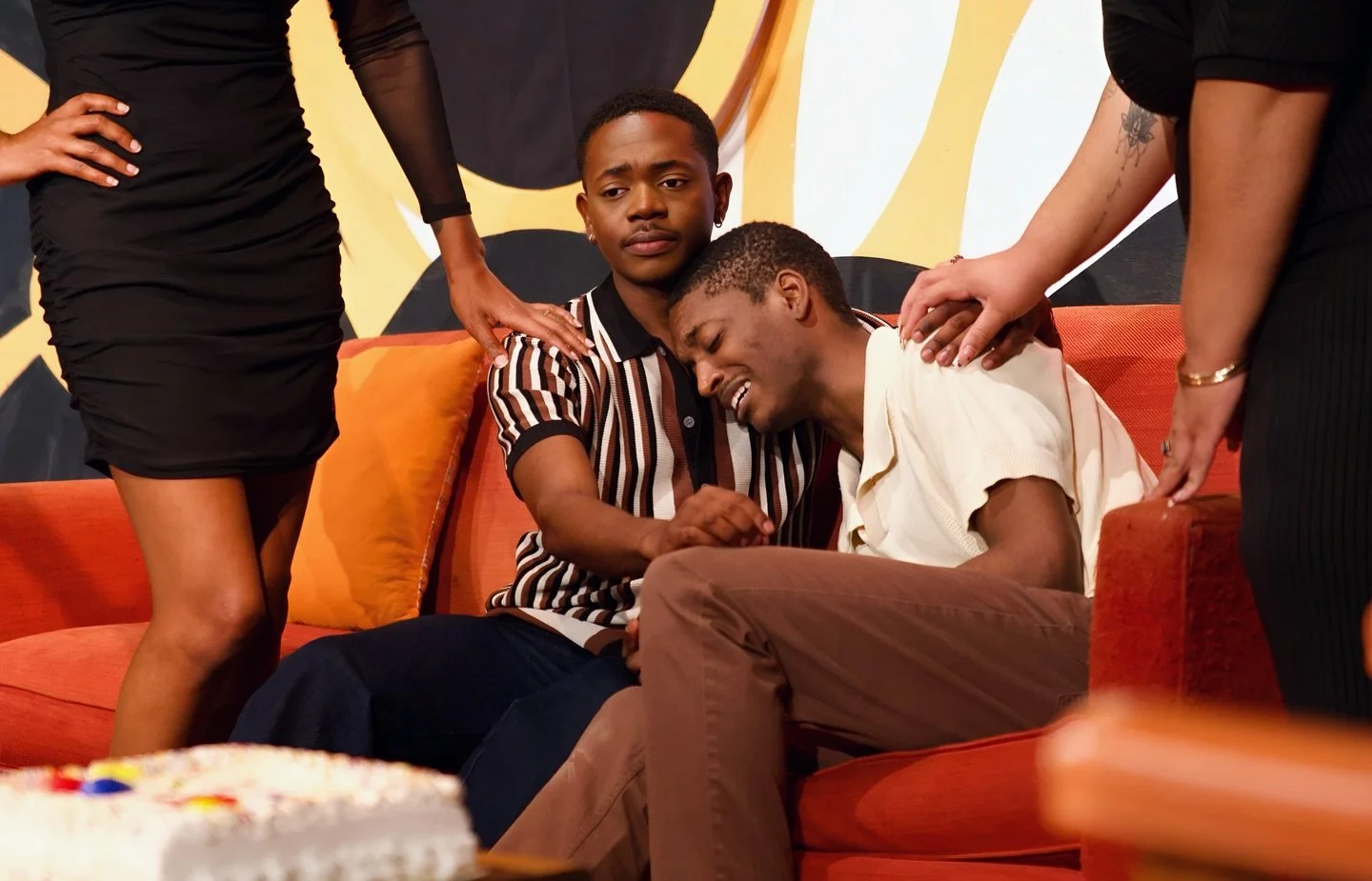
A going-away party among four friends turns into a confrontation about Black folx’ failure to take a stand against racial injustice by playing it safe. (The performers are Kalumbu Tshibangu, Mattjohn West, Kayla Gilchrist, and Dr. Marta M. Torres.) Jered is planning a job move to Wisconsin when he finds out, on the evening of the party, that his younger brother has been the victim of racial violence. Jered’s instinct is to run away to what he believes will be an easier place to live. His partying friends know better and call him out for trying to escape the reality of being a Black man in the U.S.
They force him to ask himself, “What can I do?” in the face of racism. This is the same question facing Blacks as well as whites, when running away is not a viable option. This is also the main question that needs to be answered if Oluo’s call to action is to be taken seriously.
One Person Can Make A Difference by Linda Boroughs
The title of this piece repeats a well-worn truism of inspirational messaging—and turns it on its head. How? In re-shaping it to show that when a criminal justice system (one that has historically held Black men to different standards of justice) is represented by a racist police officer, that one person (with the power of the system behind him) can indeed “make a difference”…by destroying a Black life.
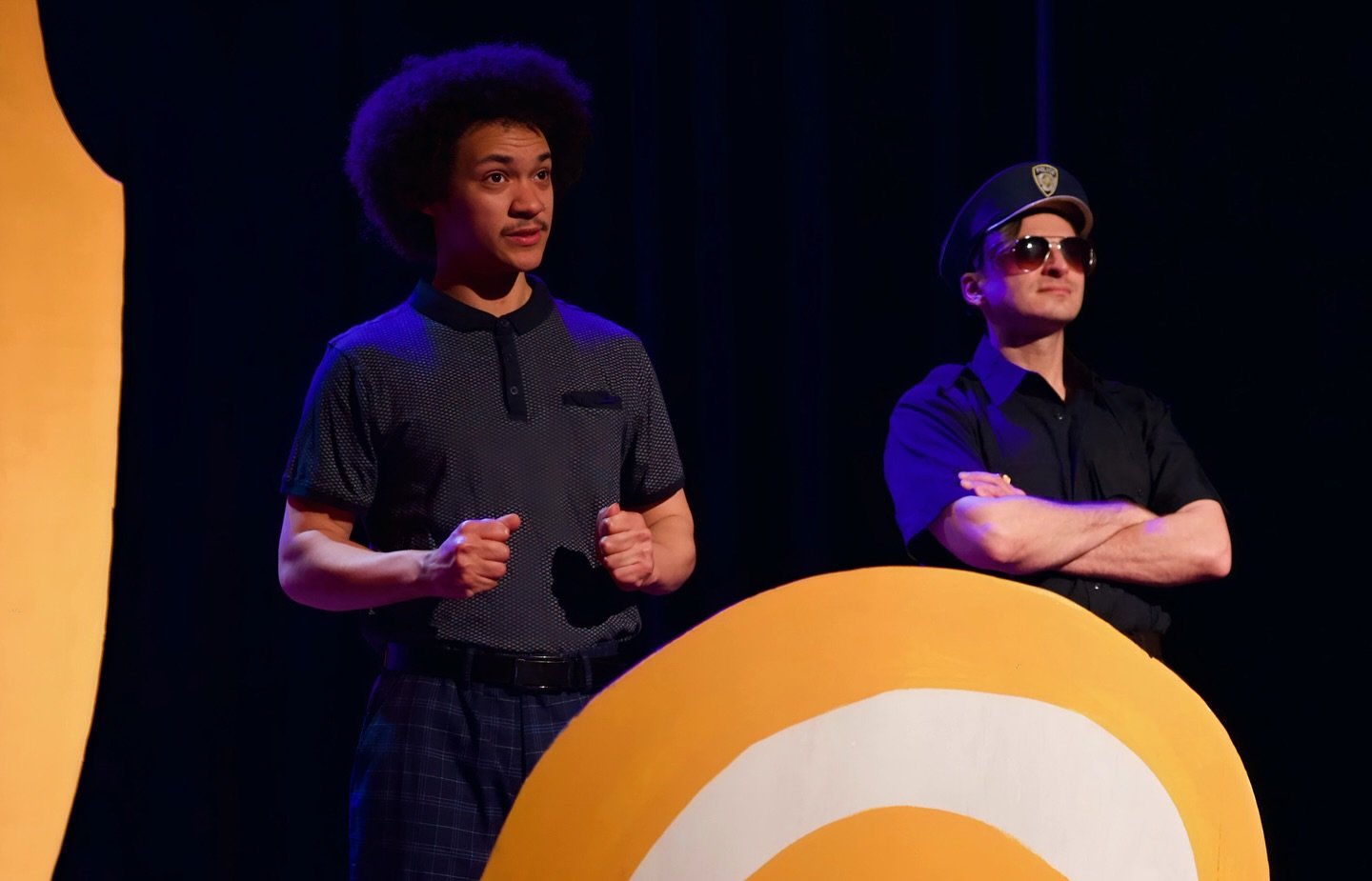
Chad, a young man played by Ash Vance, is driving home from class at a nearby university when he’s stopped by a police officer played by Ryan Maffei. When the officer tells the young man to get out of the car, there’s an escalating tension that automatically makes you fear for Chad’s life, even though he tells the officer he has no drugs or weapons in the car, and has had nothing to drink. While the officer subjects Chad to an unfair sobriety balance test, the officer pretends to find drugs in the car – an auto belonging to the young man’s mother. Chad protests the officer’s accusation, saying that his Mom would never have drugs.
The justice system’s unequal treatment when dealing with young Black men is particularly unsettling when the story fast-forwards to show us all the problems this innocent young man will have because of a crime he never committed. The accusation follows him in every chapter of his life for many years.
The System (shadow-performed by Britton Adams) sometimes tries to right the wrong, but gets caught-up in its own injustices. Chad must repeatedly try to overcome a system that was always rigged to make him fail. The hard, frustrating message is that these kinds of events actually happen to innocent young Black men every day…and they need to stop.
Playing Pretend by Erin Malone Turner
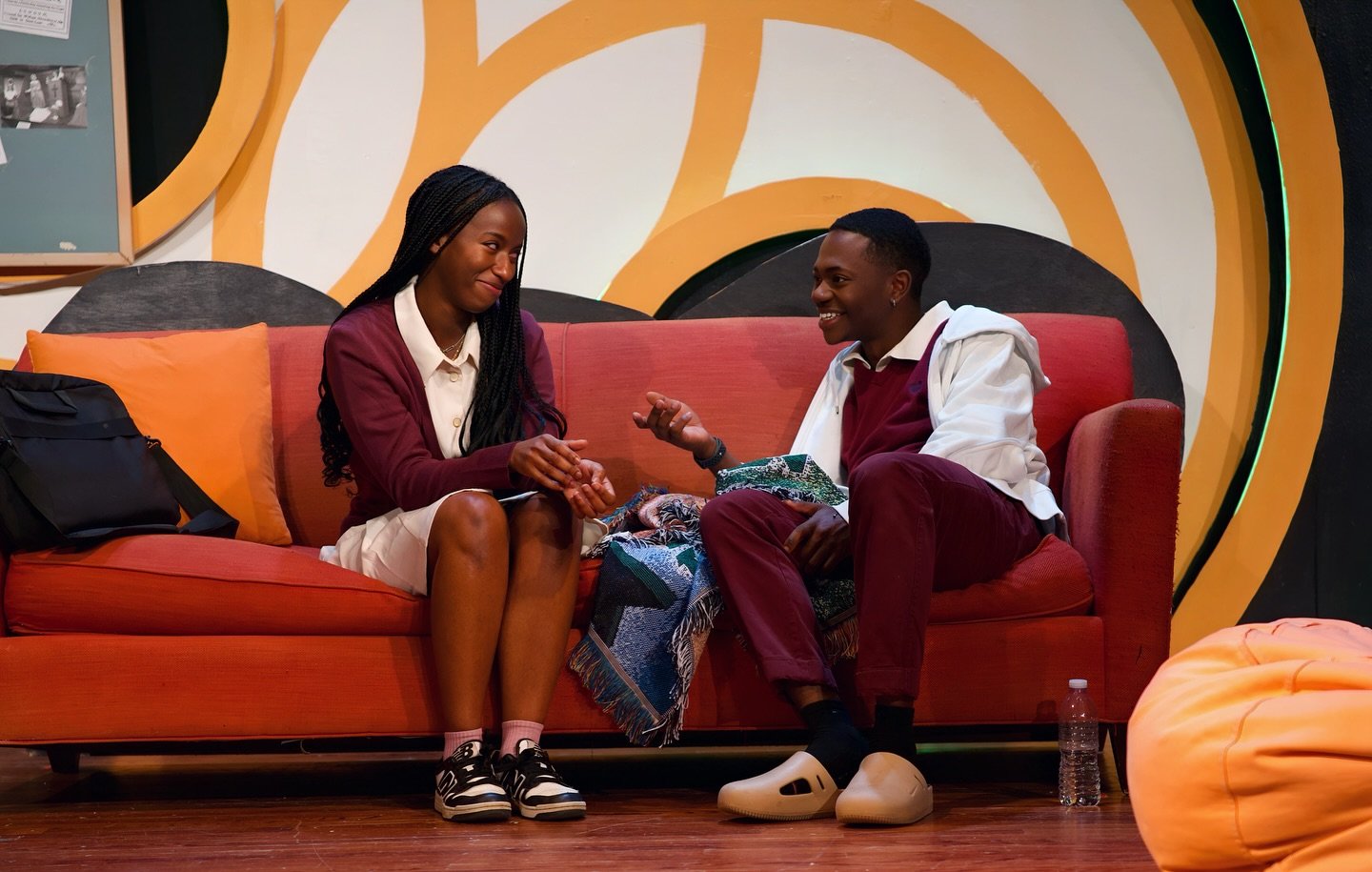
Three students are working on a school project together. The white student (Faith Berry) unwittingly resorts to condescending attitudes in her know-it-all approach to working with two Black students (Bev Mageto and Mattjohn West), and microaggressions fly when she consistently talks over them.
When she is confronted about her condescension and inability to honor the contributions of the rest of the group, she goes on the defense, messaging the fallout that happens when we haven’t learned how to have sensitive conversations on race. Often there is a breakdown in communication and cooperation, the crux of Oluo’s narrative.
Open Call by Claire Fountain
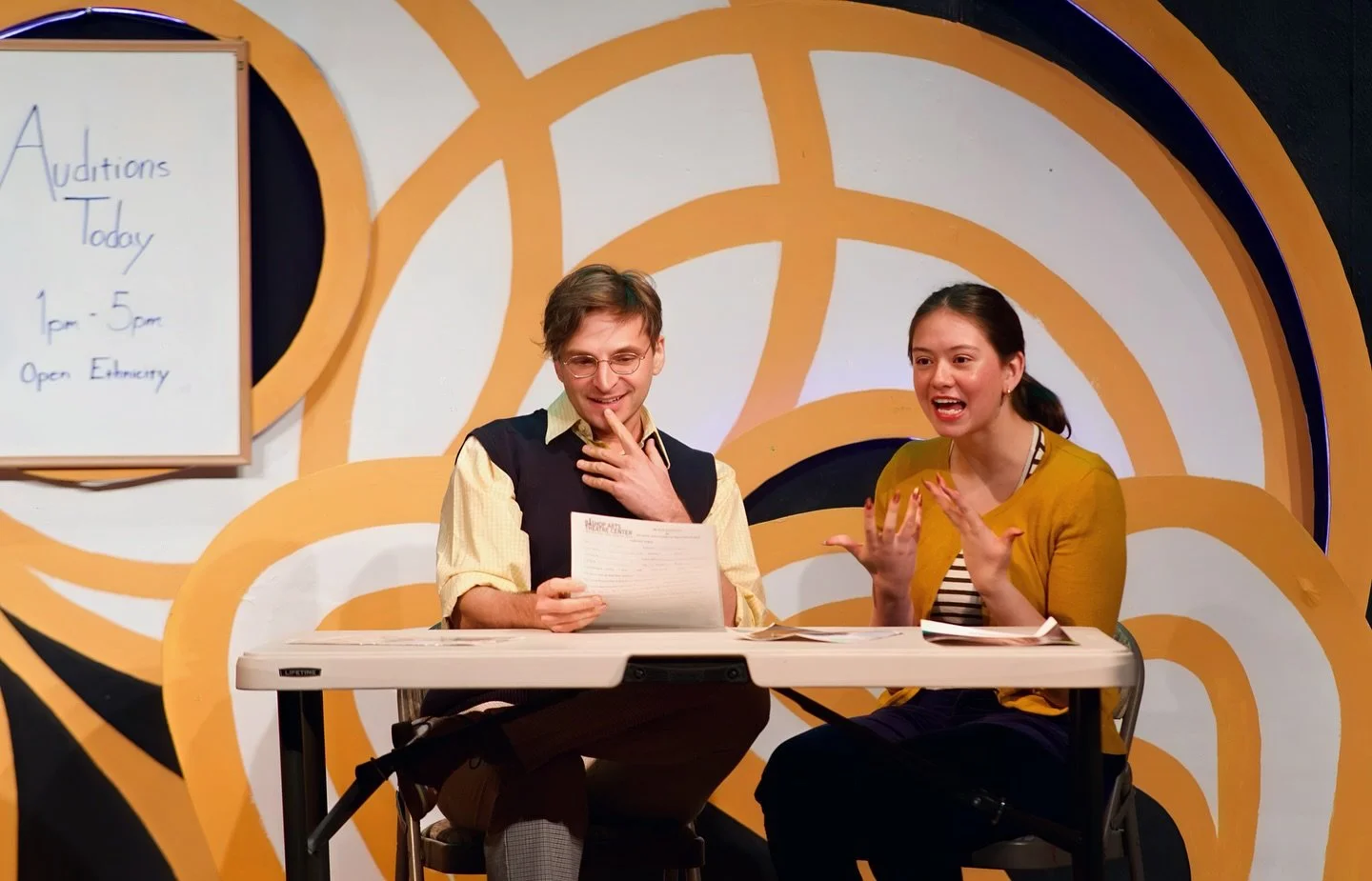
Performative allyship is in full view during a conversation between the director of a play (Ryan Maffei) and his assistant (Faith Beene) as they discuss which female to cast in a supposedly colorblind casting call. The director can’t see his own race bias when the assistant asserts that the Black actress is the better choice.
Rife with the hypocrisy that happens when we lack recognition of our own prejudices, the first reaction is often surprised indignation. The director believes his own well-worn certainty that having “Black friends” is solid proof he couldn’t possibly be biased. Indignation leads to anger aimed at the assistant: in exasperation, the director shouts, “Explain racism to me!” He can’t believe that racial bias could be steering his casting choices. His self-awareness is absent either by choice or by habit.
Unable to deal with being shown his racial bias, the director retaliates by firing his assistant, telling her that he doesn’t believe they are a good match for working together in the theater. Part of the messaging here is that harm can come to any white person who confronts the bias in another white person. But to root out systemic racism, white people must have the courage, vulnerability, and willingness to take a chance on being the victim of retaliation themselves.
Lake Campbell by Tayla Underwood
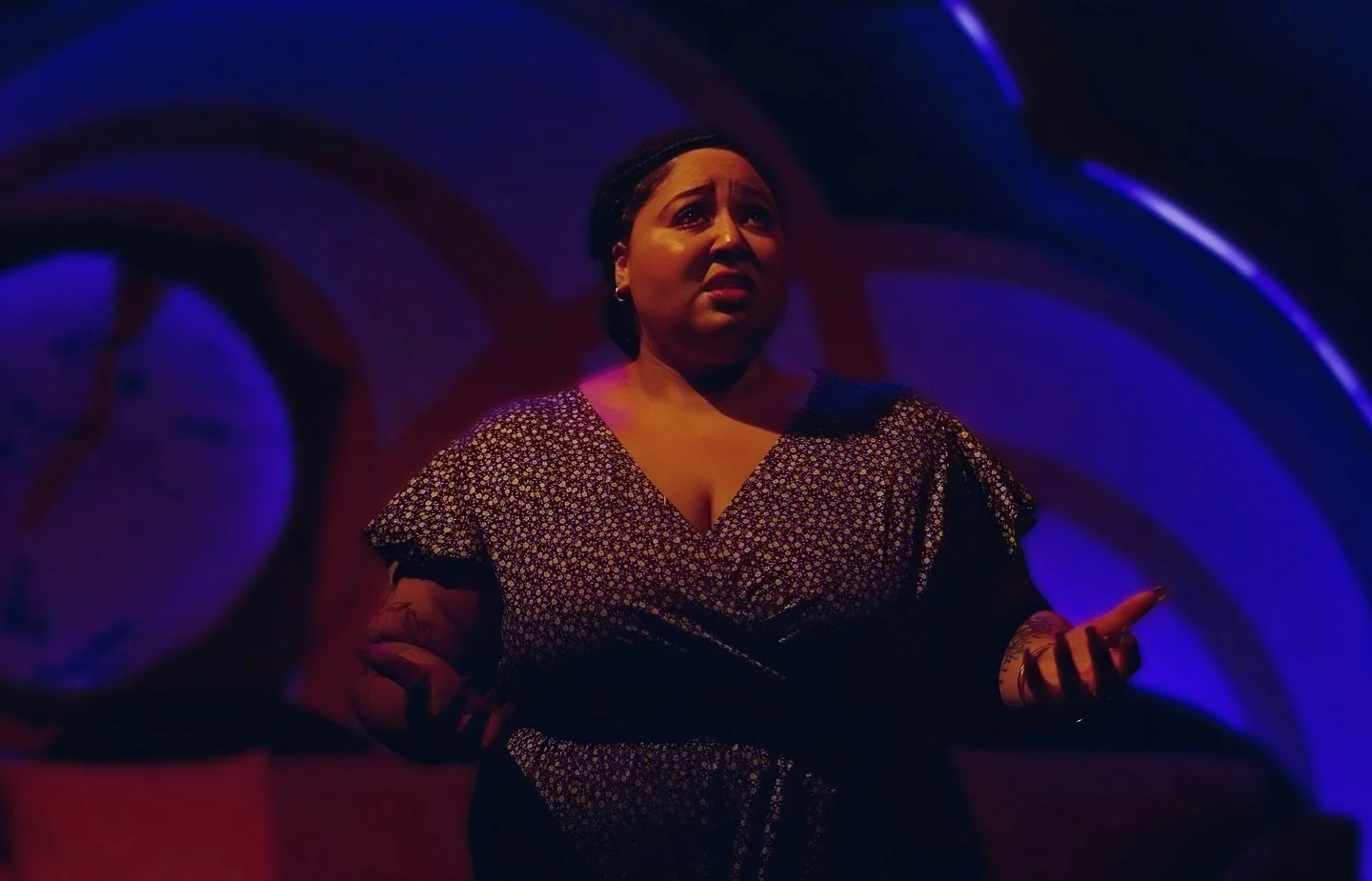
In a mystical setting on “Lake Campbell,” three Black friends (Bev Mageto, Savannah Fennell, Kayla Gilchrist) are spending a relaxing long weekend when their lakeside retreat is shaken by a mysterious “happening”—one that occurs after they mistakenly damage an old wall painting in their rented digs. The scene depicted in the painting isn’t random, but connected to the shattering emotions they’re suddenly experiencing, and a sense of the ghostly presence of The Ancestors.
A caretaker (Dr. Marta M. Torres) tells the friends of the dark history of the town in the picture, and shares a ritual that can rescue them from the shadowy past that’s affecting their weekend getaway. The town’s history is reminiscent of Black Wall Street in Tulsa and many, many other places in the United States that were attacked by white mobs in reaction to charges of assault by a Black man upon a white woman.
The history of lynchings in the U.S. has the same origins of Blacks being unfairly accused, resulting in public hangings and entire towns being burned to the ground, destroying generations of post-slavery Black progress.
This short piece infuses both the young people onstage and we in the audience with a visceral sense of the anguish and fear of our fraught racial history. It is a history that is alive today in a movement to erase Black history—and to ban books that hold its truths.
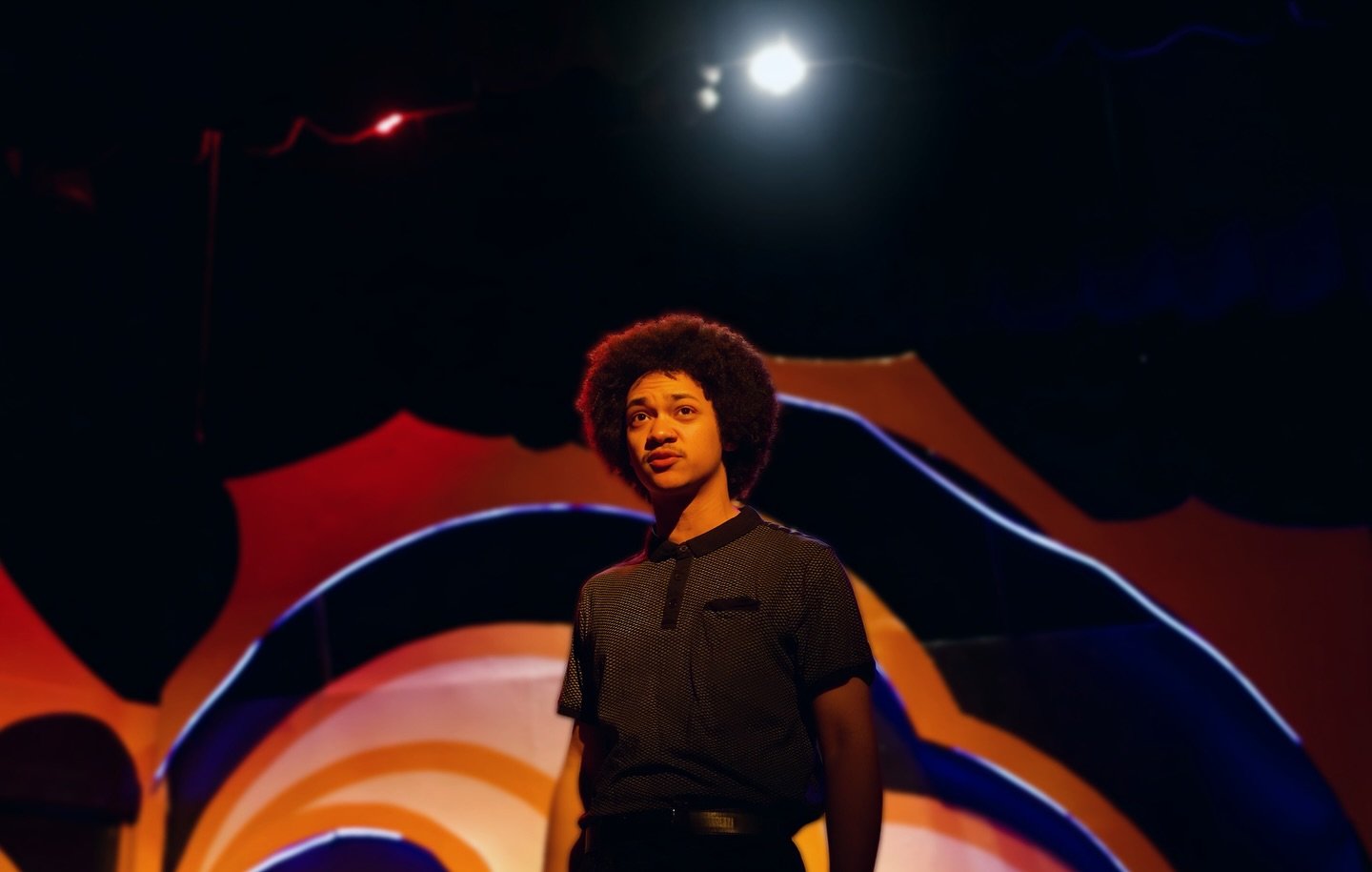
Scenic designs by Rachel Velasco (an intriguing pop-art-ish backdrop, and various cushy, comfortable living spaces) belie the uncomfortable conversations that take place in the six plays. Lighting design by Edgar Martinez and sound design by Claudia Martinez are particularly effective in “Lake Campbell” for creating a mystical atmosphere, and designer Kristi Golightly’s costumes throughout help create distinctions among characters.
Director Jackson pulls together a top-notch ensemble of performers who hold our attention with fine characterizations in their roles, and just the right amount of humor when the plays take a lighter turn.
Healing the hurt of racism begins with conversations that openly confront the social, political, and economic systems on which it thrives. The Bishop Art Center’s Banned Book Festival is a courageous and commendable effort to help us know how to talk about race in positive ways that can lead to effective action for ending systemic racism. Be sure to see this important production before the run ends on March 8th.
WHEN: February 19-March 8, 2026
WHERE: Bishop Arts Center, 215 S. Tyler St, Dallas
WEB: bishopartstheatre.org