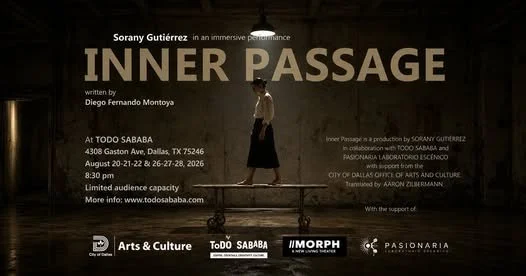
‘Inner Passage’ @ Todo Sababa / Sorany Gutiérrez
Photos by Ben Torres
—Teresa Marrero
There are theatrical experiences that ask us to watch, and there are others that invite us to enter. The world premiere of Inner Passage belongs decisively to the second category. This oneiric piece (it means “dream-like”) took us into a dark and beautiful place. Performed and produced at Todo Sababa by artist Sorany Gutiérrez based on Colombian playwright Diego Fernando Montoya's award-winning Abismos (and translated into English by Aaron Silverman of Todo Sababa in Dallas), the work does not merely occupy a theatrical space; it transforms the various spaces—and, ultimately, the audience—into part of its dramatic language.
What emerges is less a conventional play than a passage through memory: fragmented, unsettling, intimate, and deliberately resistant to the comfort of a neatly constructed narrative. In passing, we should note that Inner Passage is a site-specific adaptation of the work of Colombian playwright Diego Fernando Montoya; this play won the country’s 2025 highest drama prize, the Premio National de Dramaturgia.
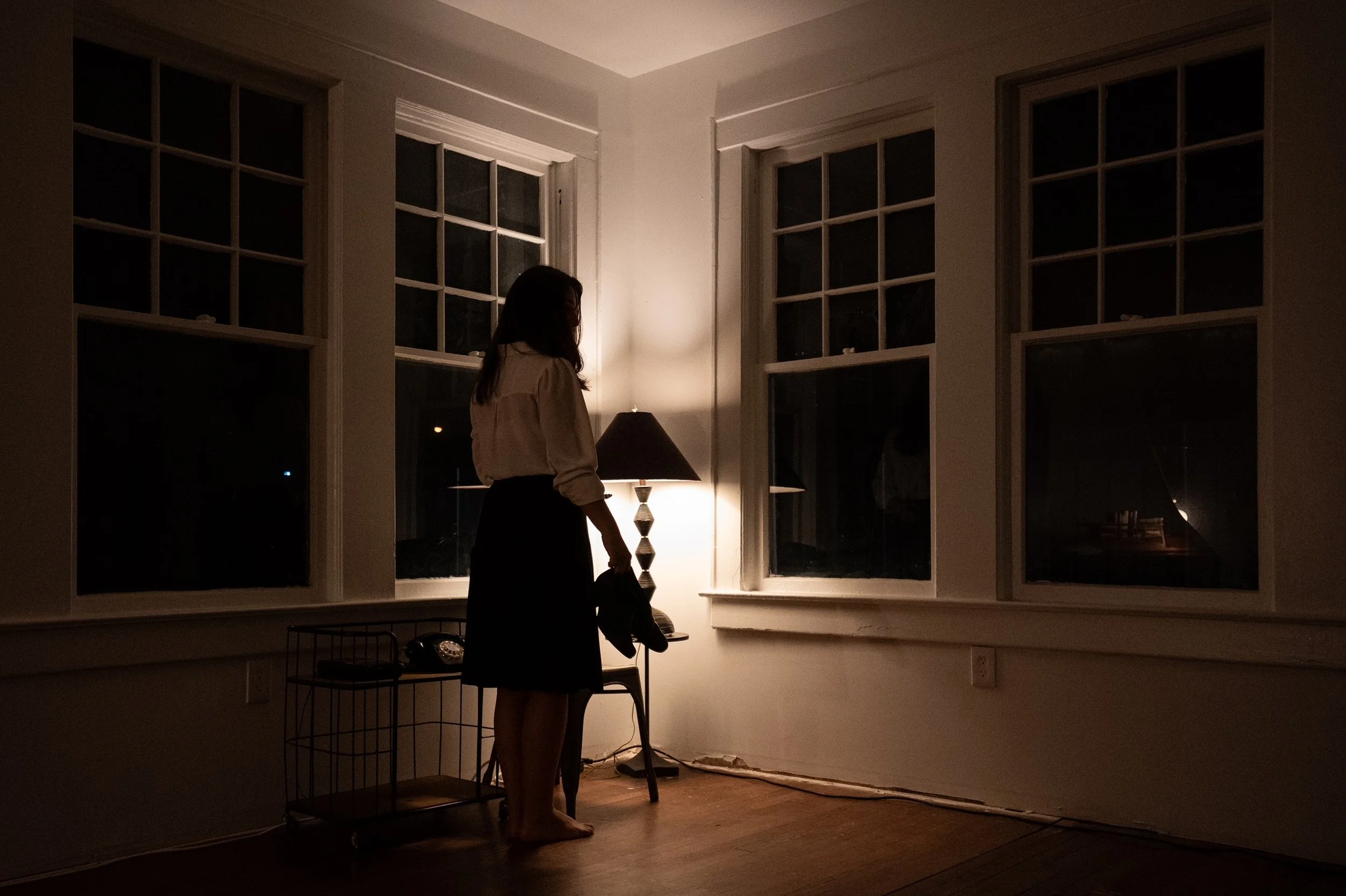
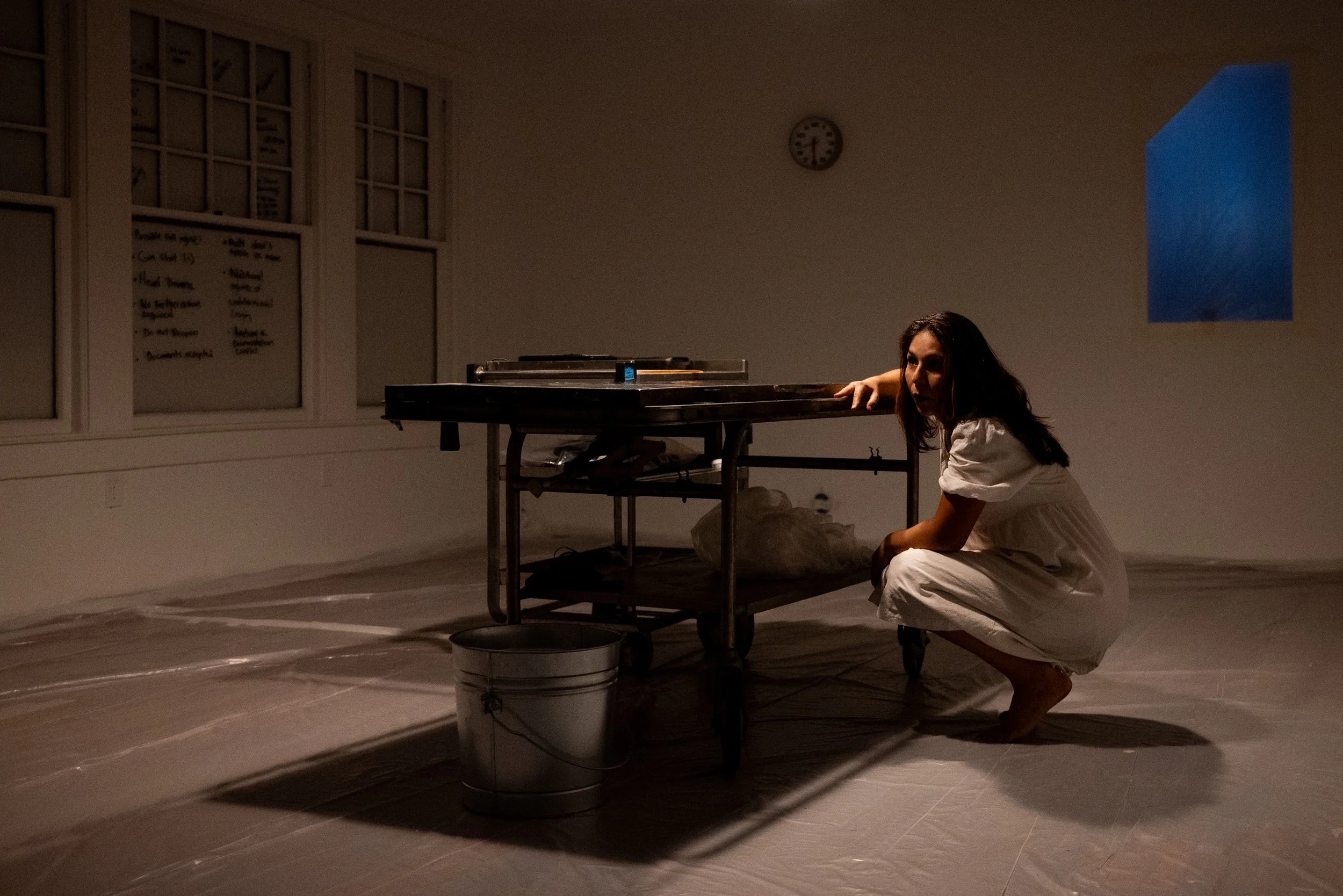
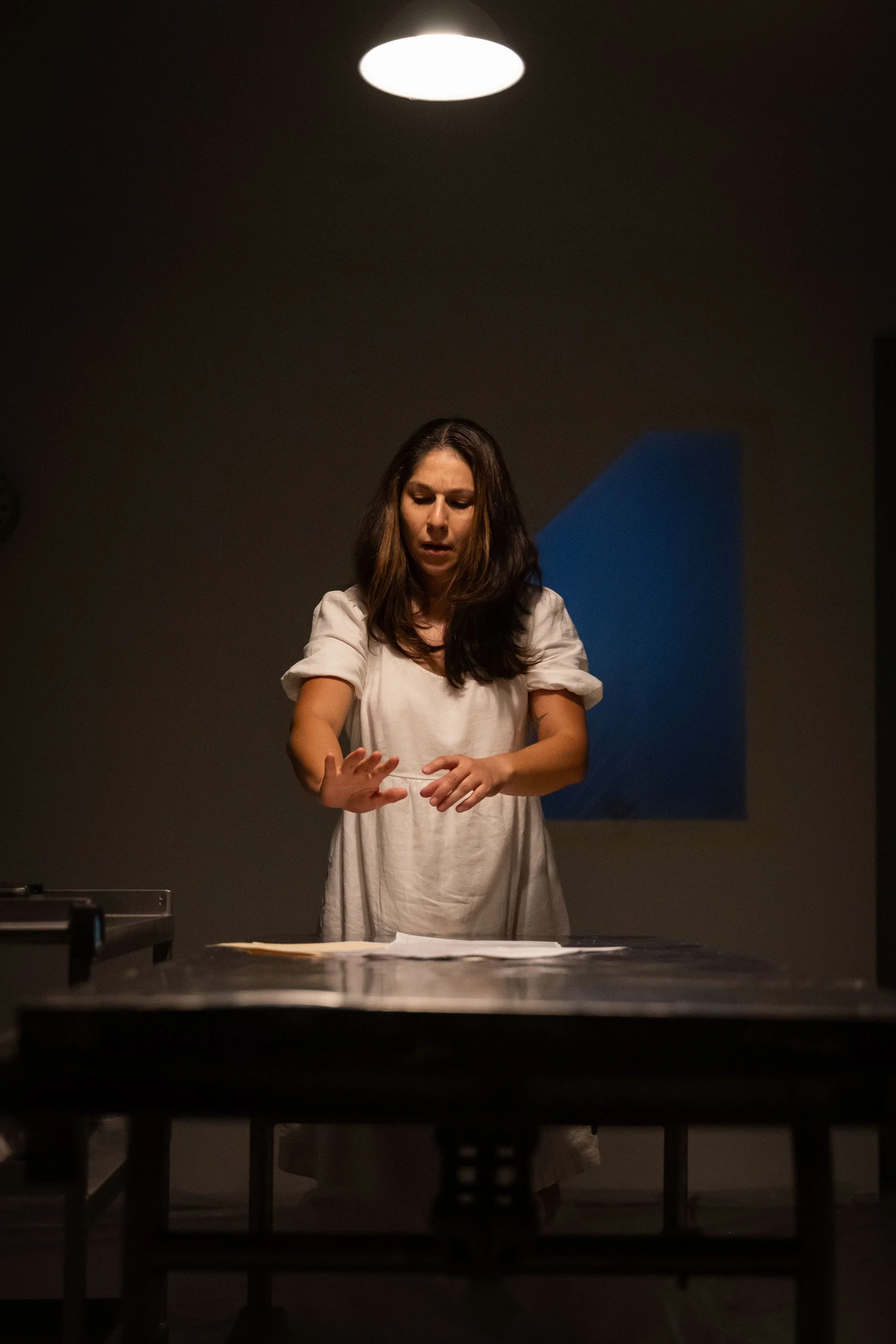
Gutiérrez carries the performance with a remarkable physical and emotional commitment. Alone at the center of an environment that seems to shift between theater, installation, memory chamber, and psychological landscape, she does not simply "play" a character. She moves through states of being. Her body becomes an instrument through which memory surfaces, disappears, returns, and refuses to remain safely absent.
This is perhaps the greatest challenge of Inner Passage: the work asks us to relinquish the familiar distance between spectator and performer. We are not comfortably seated outside the story. We are placed inside its atmosphere, as we are invited to begin outside the brownstone building on Gaston Avenue, looking at a tiny (maybe two-inch) screen with the phrase “Do not look at this” written on the glass window. This begs the questions: Why shouldn’t we look? Do I dare break with the other audience members and get up close? Of course, I did. The image was shocking. It looked like the voluptuous, naked body of a woman in a position more in line with porn. Later, we found out it was an inflatable doll and not a human being. Nevertheless.…
We were then led into a living-room sized room, with the body of a Woman (Gutierrez) dressed in white under an opaque plastic cover, laying on a metal table, the kind you see in TV shows at a morgue. (I say it this way because I have never been inside a morgue.) Audience members settle, standing around the body close to the wall. The room feels sterile. As the Woman begins to speak, hers is a poetic riff on not having a voice, evidently because she is dead. Since I chose not to take notes during the performance so as not to call attention to myself, I cannot quote any of the beautiful lines we heard while standing.
There were no seats in this segment. But there was a old school tape recorder with the Woman’s recorded voice on it, a trope repeated in the subsequent rooms. This is a She split from herself, fragmented, raped, tortured, attempting to speak.
The female body plays a central role in the play, and the descriptions of forced penetration—albeit poetic—were enough to provoke in me a hellish nightmare that evening in which my own body was being penetrated and tortured. I did not expect that to happen! Maybe it was the influence of the lunar eclipse happening that night….
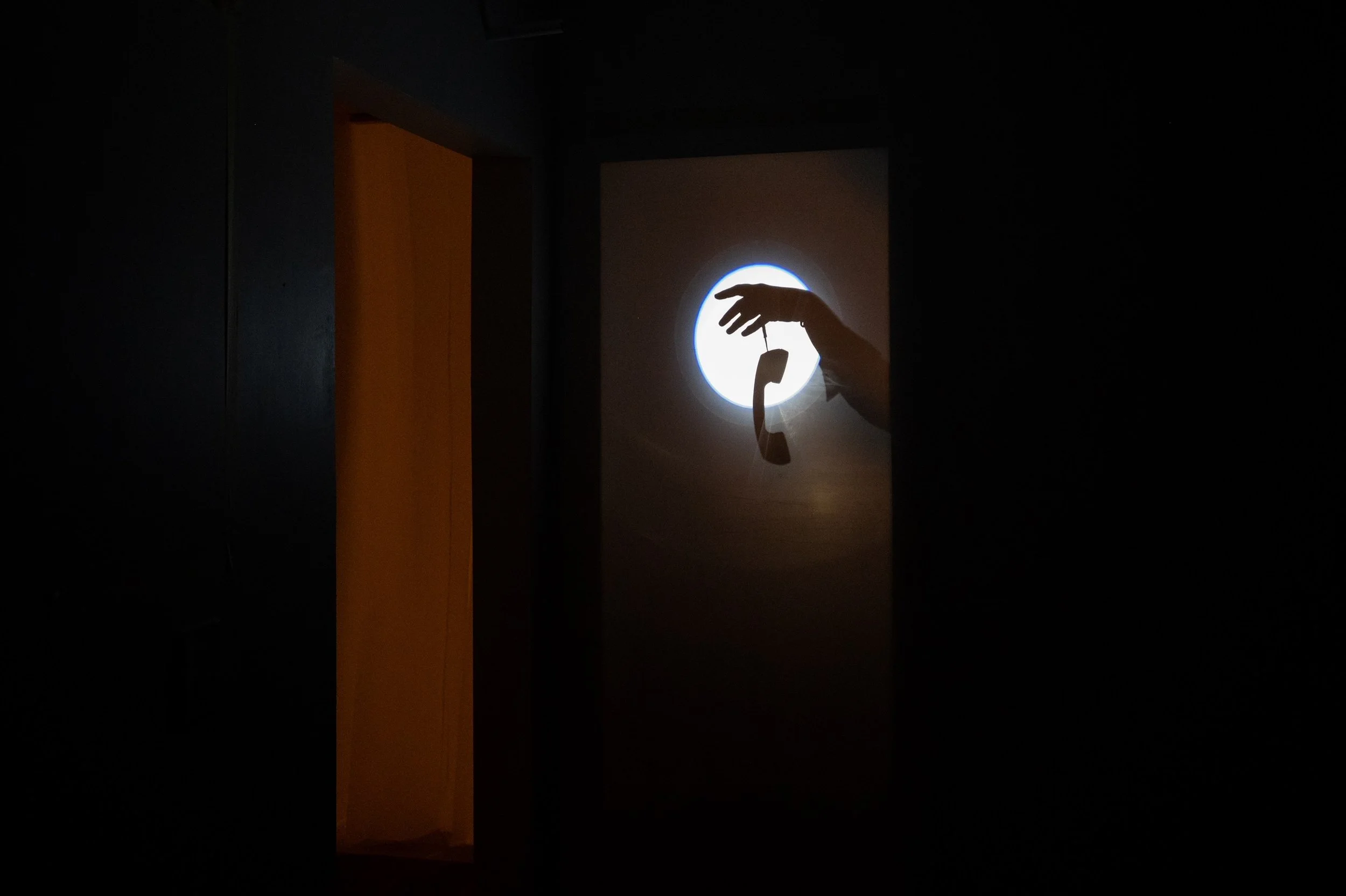
The Second Room can be titled the Torture Chamber. A small circular light projected onto a screen, allowing us only to see the Woman’s facial profile. There is a reel-to-reel tape with men’s voices; they interrogate her over and over, often creating a distortion of her statements. There were a few seats available for the audience members, but many had to remain standing. Frankly, this segment more or less went over my head, and I wondered what it had to do with the previous one. I may have been alone in this matter, because during the parlor conversation/talk back, several audience members confirmed how this spoke to them in specific ways, some relating that it reminded them of David Lynch. The beauty of open-ended work allows each audience member to relate as they may.
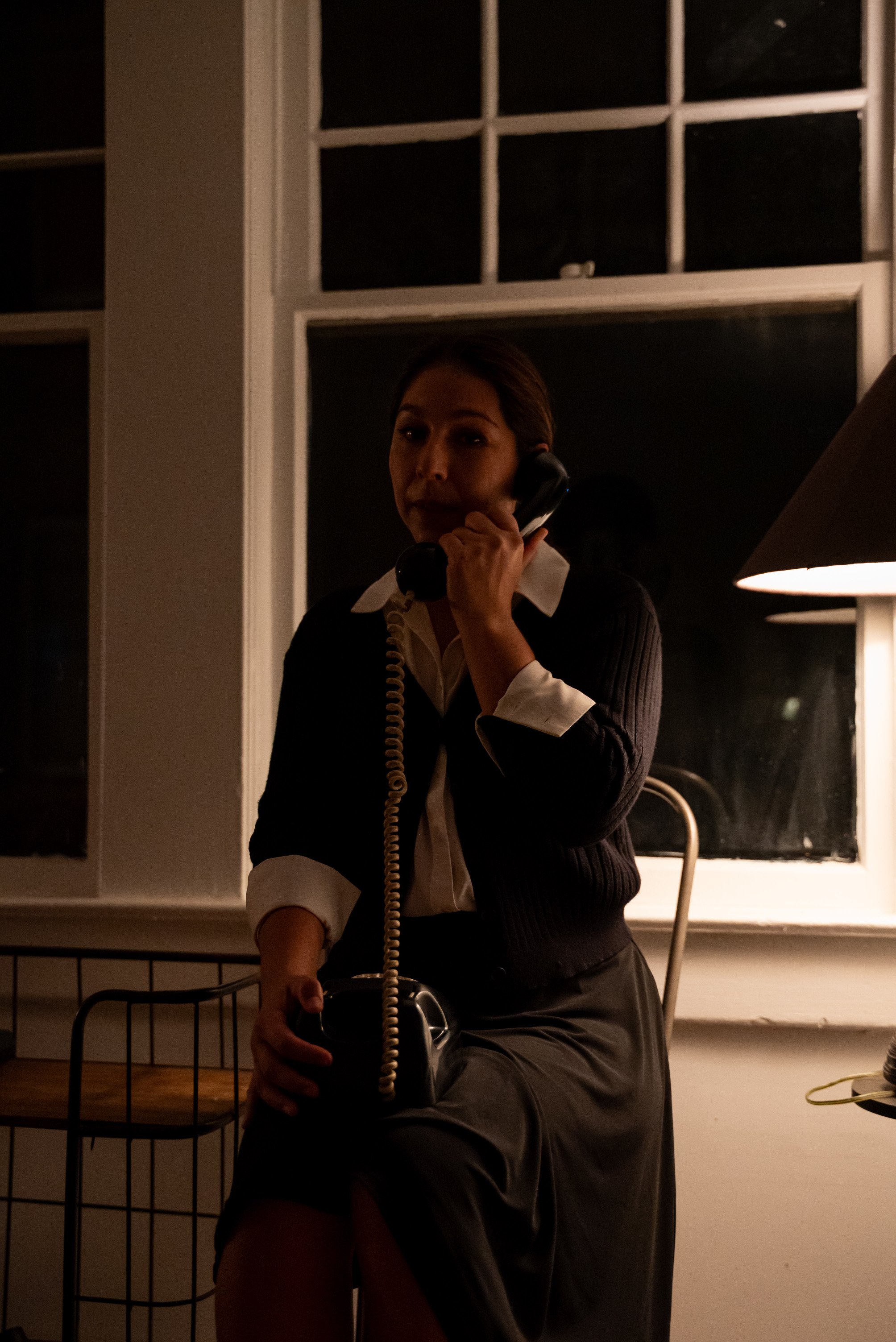
The third room I will call the Phone Room. This one was fascinating for two reasons: first, there was the live Woman, seated by a small table with a lamp and an old fashioned black dial landline telephone—and an exact reproduction of that on a television screen at the opposite side of the room. The live Woman repeated to the TV-screen Woman (on the phone) that “She will not come back.” The precision of the timing between the live action and the recorded TV image were remarkable. One could sense that this fragmented Self existed on two planes, none of which would ever cross again.
After landing on the feeling of finality (she is dead and not coming back), this segment offered a second fascinating aspect: the Woman began handing out 3 x 5 glossy photographs with abstract shapes. Then, on the floor she began assembling what could be described as a life-sized puzzle, offering hints of where the parts we held might go. After handing out the images, the Woman simply stood back and watched us attempting to properly fill the missing pieces of this image. Disturbingly, we were reassembling the body of a woman, face down on the grass, semi naked, and obviously dead. The most fascinating part was watching how people behaved attempting to get the puzzle correctly completed, an impossible task because there were parts missing. The audience were becoming the actors.
During the talkback, those of us who stayed commented on the effectiveness and originality of this trope.
The play wrapped up where it started, out in front of the building, listening to the recorded sound of a male voice inside the small TV loop. Some audience members wondered if he might be the killer.
Several audience members stated that they do not go to theater, but this piece had caught their eye. The Todo Sababa folks asked for ideas of how to reach a broader audience. Between all the good comments generously shared, I kept thinking: just invite one or two people with you when you go see a show. In my experience, people get hooked by the experience of live performance.
This reminds me of an astute comment made by another audience member: what makes a piece theatrical—something that cannot be done in on television, a video or a movie? The consensus was this sort of performance embodies the notion that it can only be experienced and shared live, one that moves us between the cracks of consciousness and allows us to co-create.
WHEN: August 20-28, 2026
WHERE: Todo Sababa, 4308 Gaston Ave., Dallas
WEB: todosababa.com
Teresa Marrero, Ph.D. is a writer who specializes in theater and dance performances in English and in Spanish. She can be reached at dr.teresa.marrero@gmail.com