A ‘Ragtime’ mini-review (@ Dallas Theater Center)

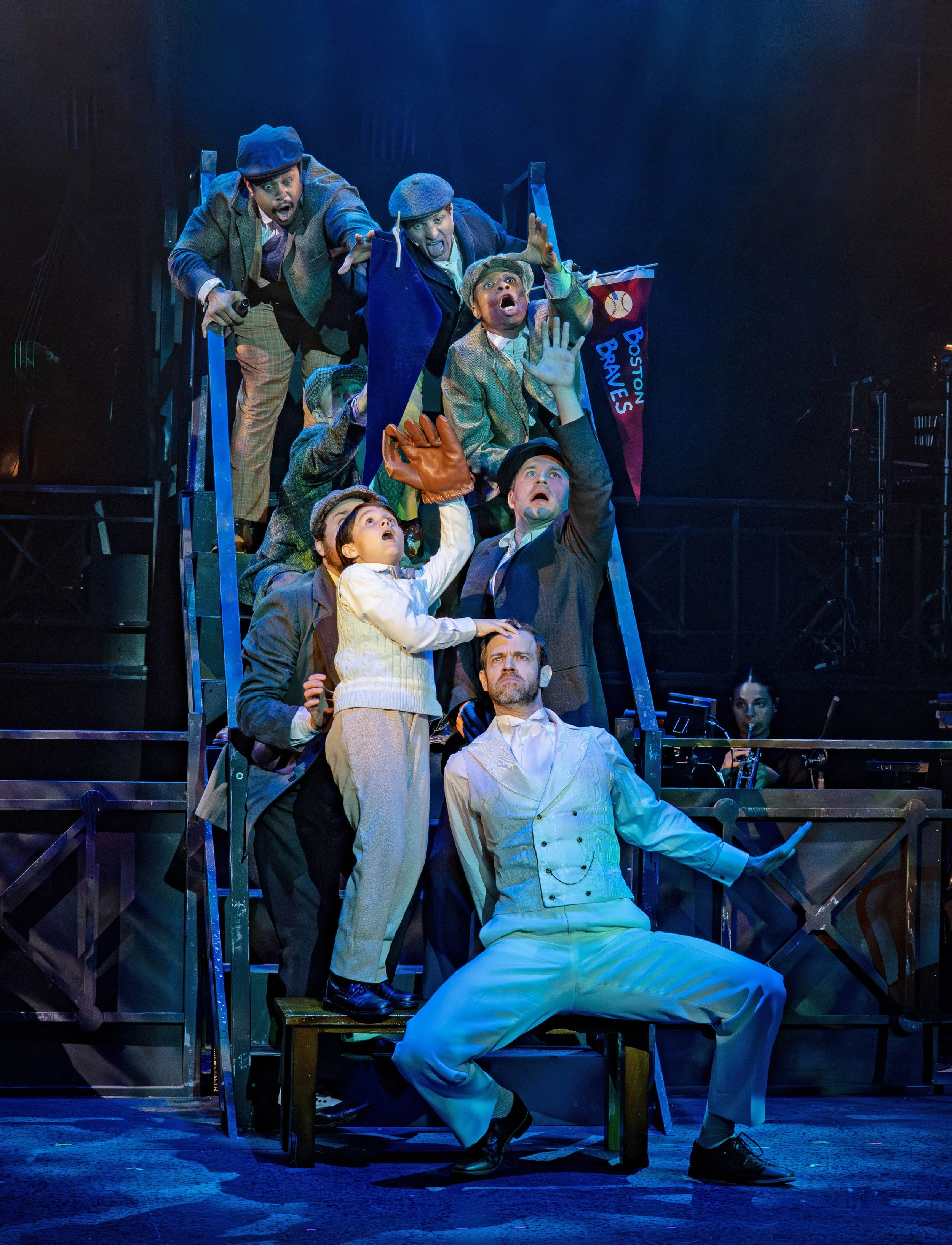
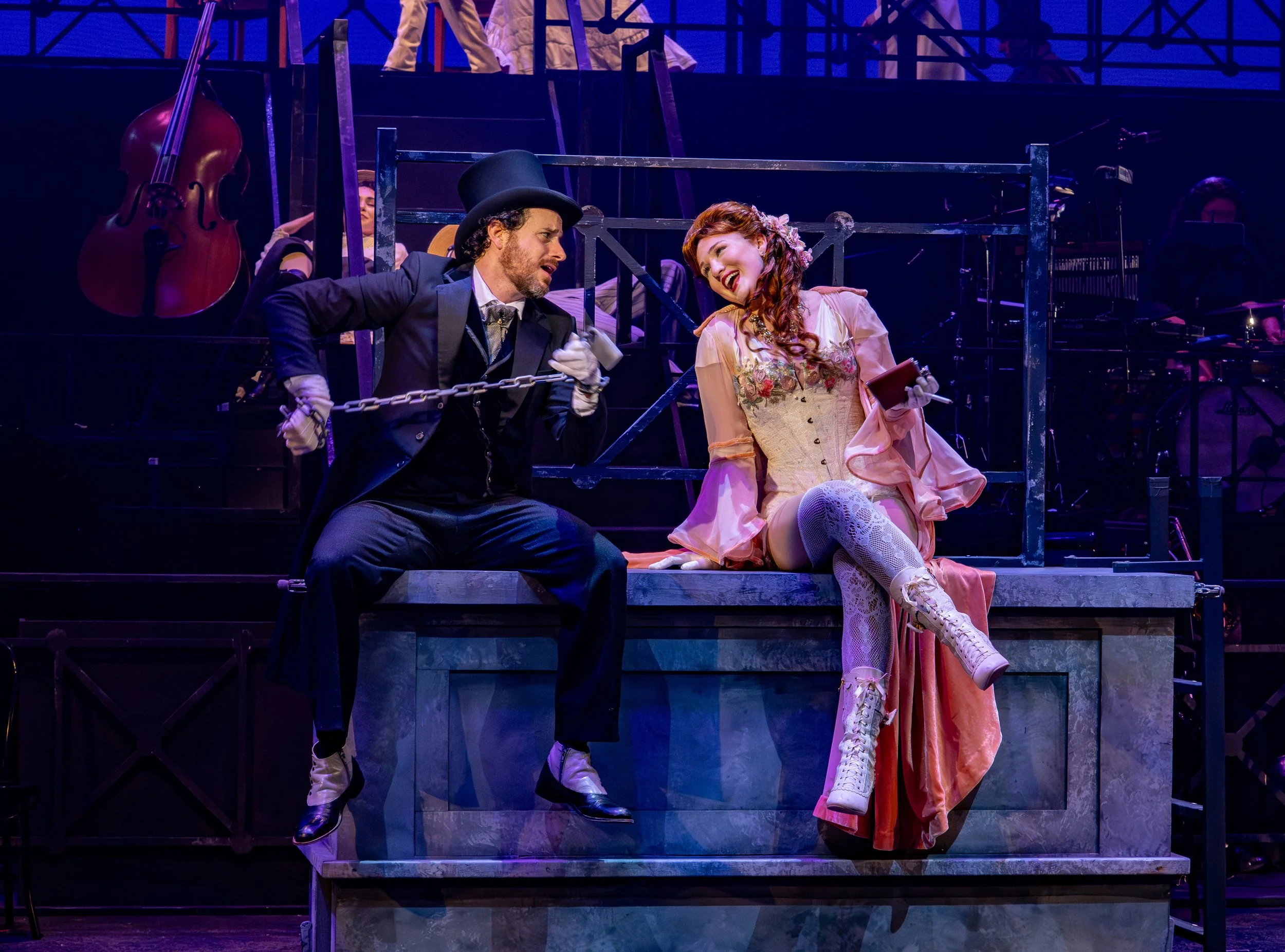
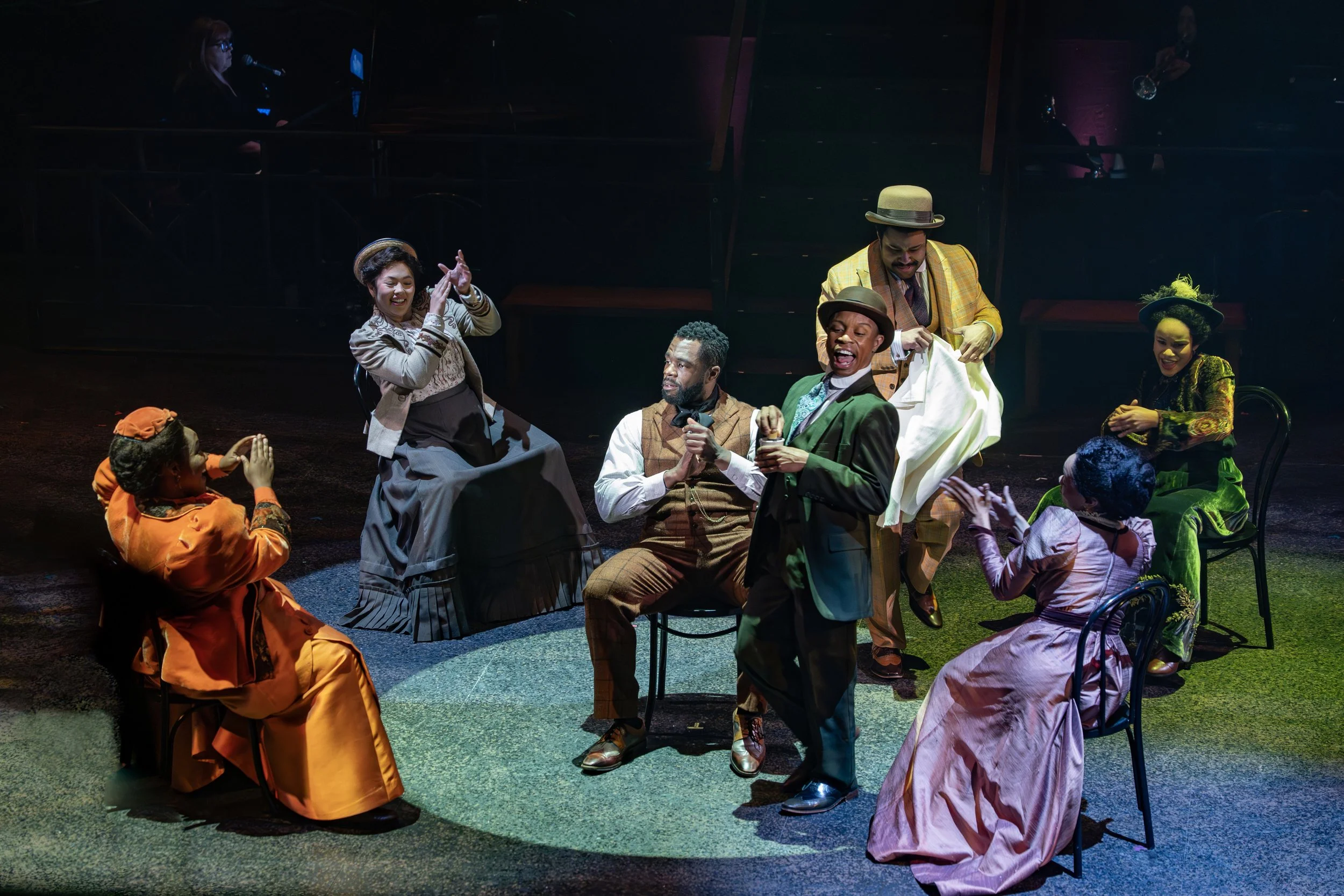
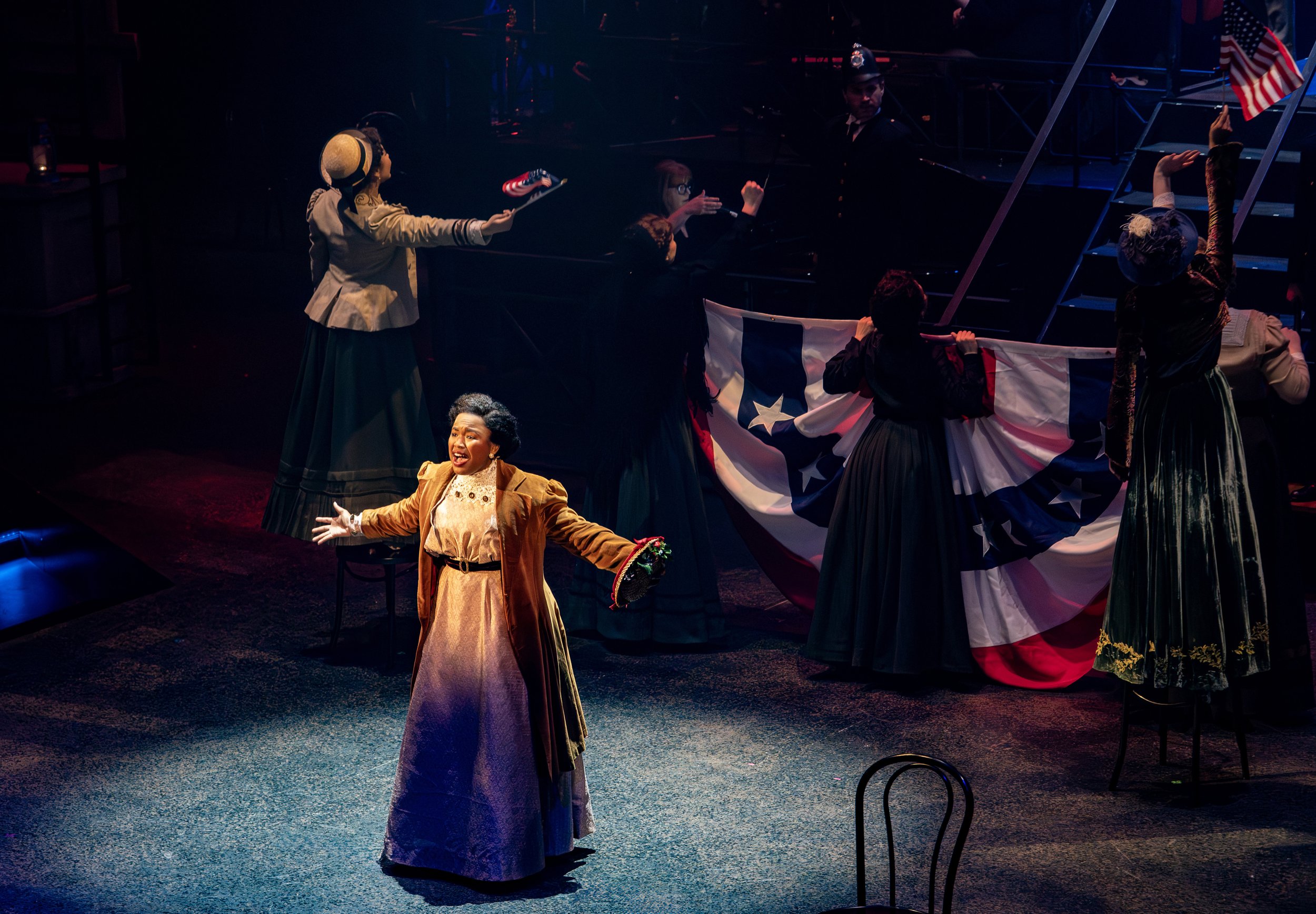
Show photos by Karen Almond
—Rickey Wax
Dallas Theater Center’s Ragtime begins in a void.
Lauren Wheat’s scenic design is skeletal: a lone house perched on a high platform, flanked by waiting staircases and bathed in Jessica Ann Drayton’s isolating, cool white light. It is a space suspended, as if history is waiting for permission to begin.
When the prologue begins, the stillness shatters. Directed and choreographed by Joel Ferrell, the production maintains the show's grand pageantry but tempers it with a calculated stoicism. Travis Chinick’s costume design sharply delineates the social strata: crisp light tones for the New Rochelle white elite, vibrant hues for Harlem, and drab, monochromatic layers for the immigrants. The use of frayed edges in the fabrics subtly signals the psychological unraveling of the characters as the era’s friction takes its toll.
Based on E.L. Doctorow’s novel—which transposed the justice-seeking narrative of the 1808 German novella Michael Kohlhaas to the early 20th-century U.S.—Ragtime is famously dense. With a book by Terrence McNally and a score by Stephen Flaherty and Lynn Ahrens, the musical weaves three disparate American threads into a collision of race and class. Ferrell treats the stage as a living landscape, where makeshift sets are constructed in real-time before the audience, keeping the momentum tight and the artifice exposed.
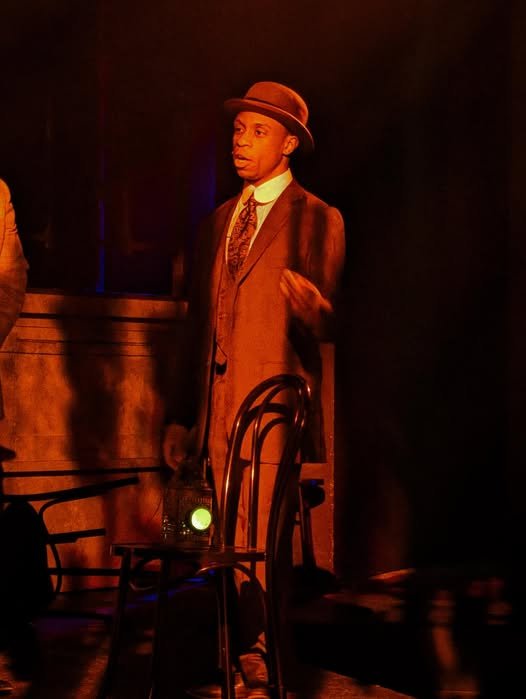
Akron Watson anchors the production as Coalhouse Walker Jr. He avoids typical grandiosity, opting instead for a tenderness and an internal struggle that make his eventual descent all the more jarring. While Watson’s delivery is brilliant—particularly in a searing "Make Them Hear You"—he is often fighting the script’s inherent limitations. McNally’s book grants Coalhouse a sudden, violent agency, only to snatch it away in the final act; the script forces him into a tragic surrender that can feel like a betrayal of his own revolution.
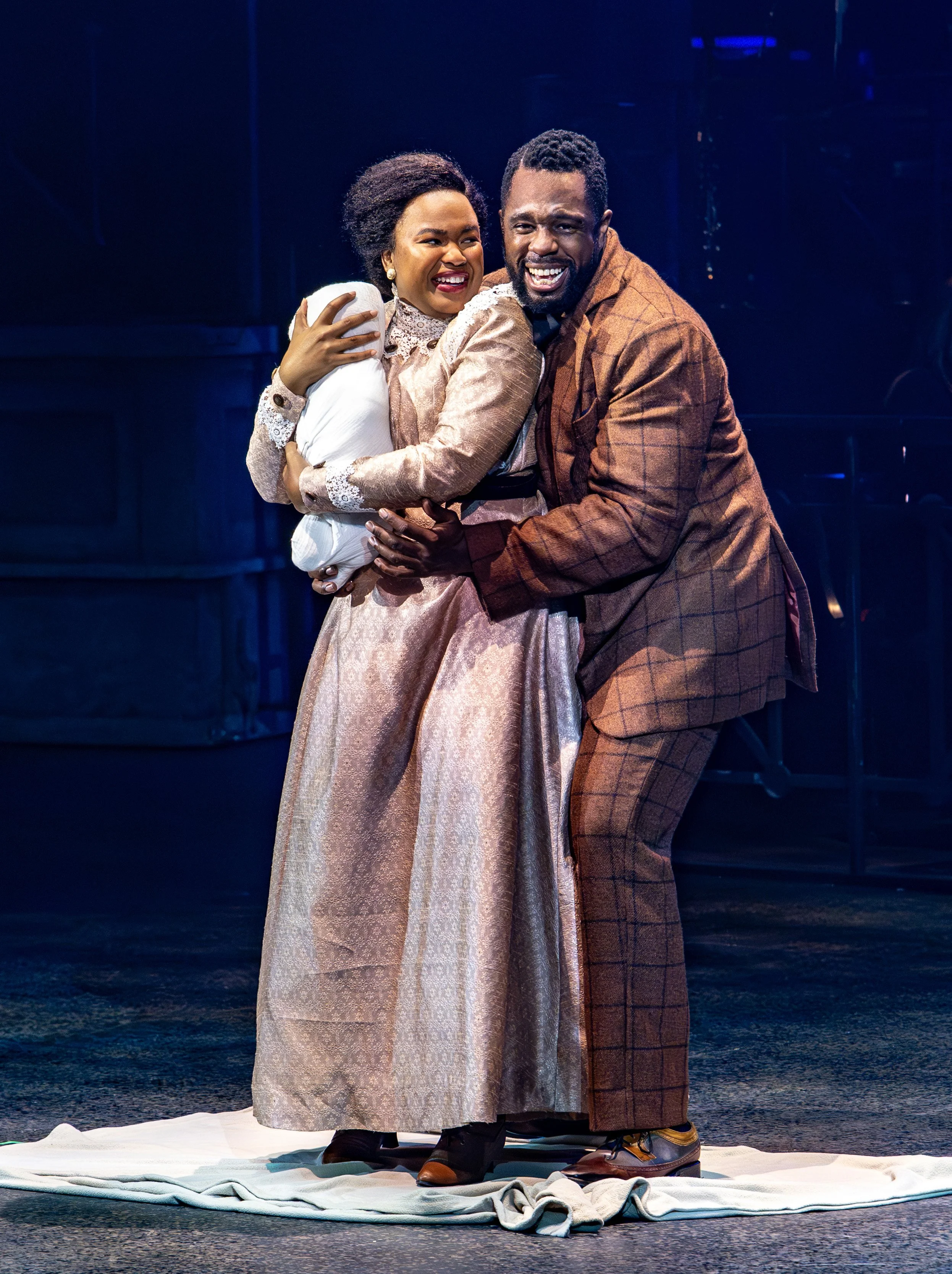
Watson’s performance tempers these weaknesses, grounding the character's rage in a palpable, human cost. Beside him, Bri Woods brings a heavy, silent weight to Sarah. Her performance lives in the nuances: a hesitant smile or a glimmer of hope in her eyes that provides a masterclass in subtlety.
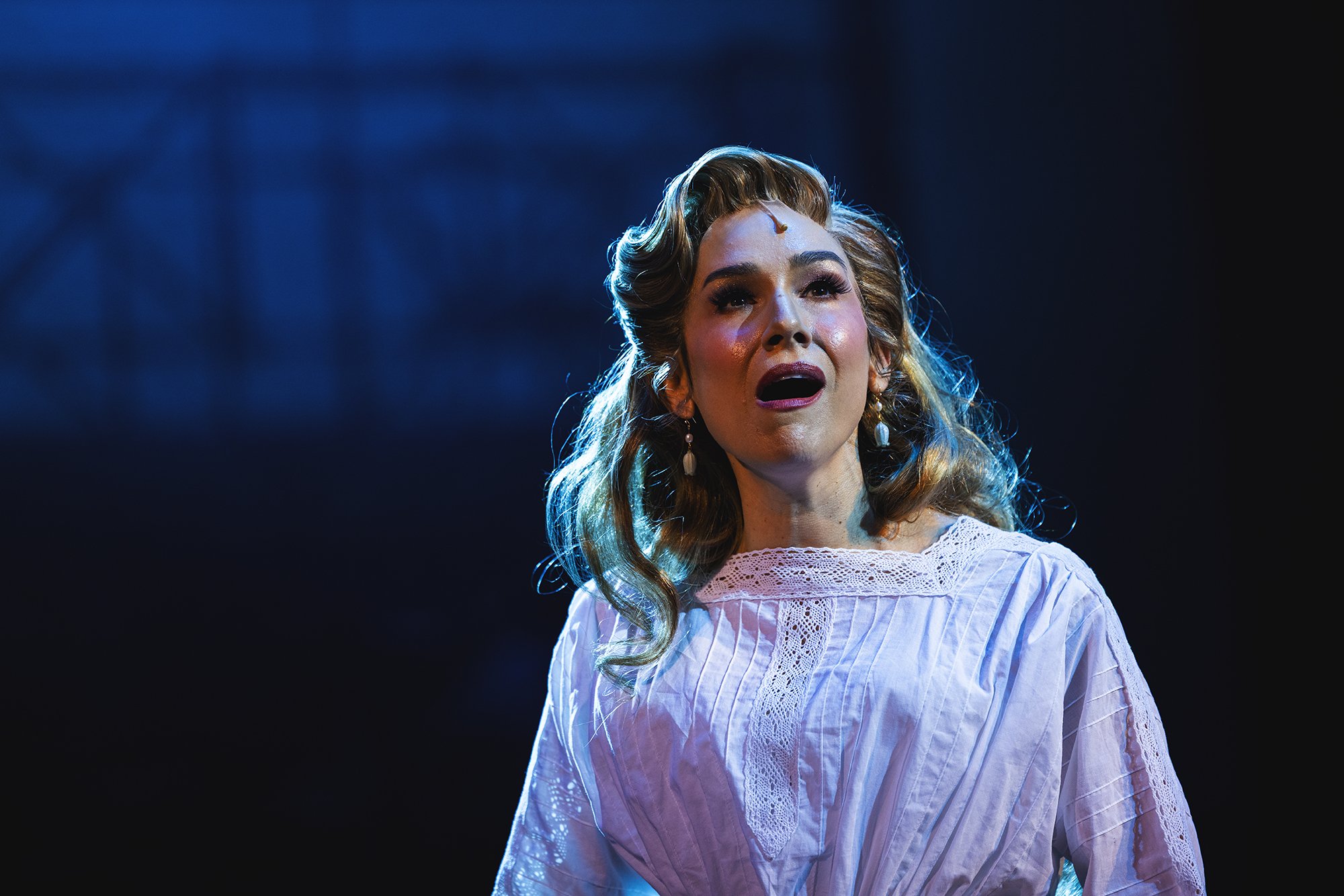
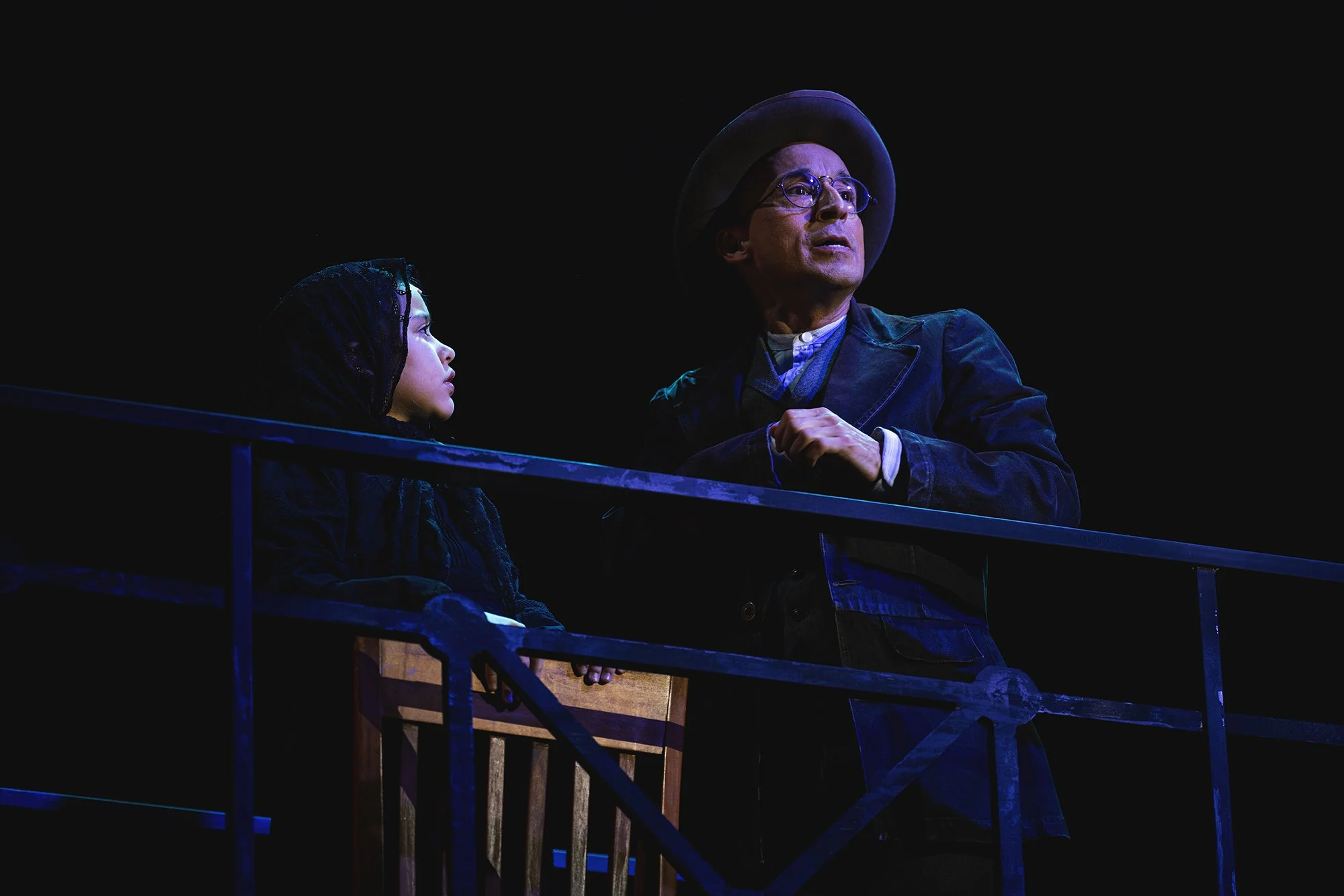
As Mother, Tiffany Solano crafts a transformation through pragmatic choices. Her vocal color shifts from light and airy to a heavier, grounded resonance as her worldview expands. Her journey is captured in small, lingering moments—a gaze that lasts a second too long after a disagreement with Father. Blake Hackler’s Tateh is equally grounded, shunning sentimentality for a weary, physical grit that defines the immigrant survival instinct.
The decision to play against a bare black stage allows the narrative to breathe, stripping away the "fluff" often found in grand revivals. The orchestra, nestled into the backdrop under Vonda K. Bowling’s direction, serves as the production's MVP, providing the essential friction required by the score.
This Ragtime refuses to offer the comfort of historical distance. By focusing on the human cost rather than the scenery, Dallas Theater Center presents a mirror to a contemporary America still asking the same unresolved questions of justice and belonging.
WHEN: March 27-April 19, 2026
WHERE: Wyly Theatre, Dallas Arts District
WEB: dallastheatercenter.org