‘SheDFW Summer Theatre Festival’ (in collaboration w/ MusicalWriters.com)

—Jan Farrington
Promises, promise. But next September, I’m going to see more of this event.
For the 10th Annual SheDFW Summer Theatre Festival (Dallas is home to one of four “She” arts groups nationwide; the others are in Atlanta, Los Angeles, and New York City), three plays were presented at Stage West from September 8-13.
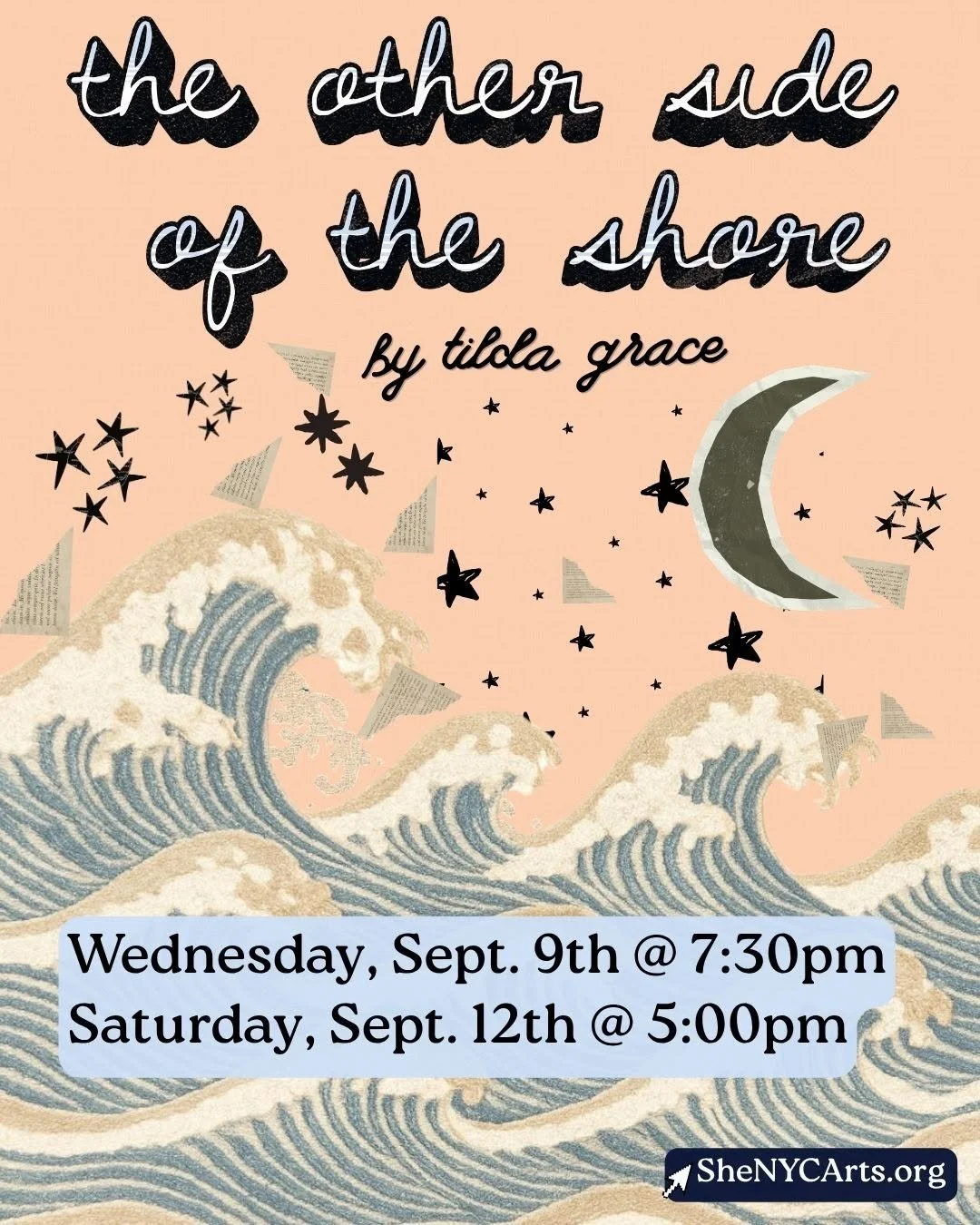
They were: Battle Crown: The Legend of Princess Pink by Oklahoma-based playwright and composer Amanda Dills; Hamill, TX by Analisa Salinas, who was born and raised in the Rio Grande Valley; and the show I caught at the tail end of the festival (yes, it’s a sea-creature joke), The Other Side of the Shore by DFW-based performer, writer and choreographer Tilda Grace. Like its “sister” organizations around the country, this festival features the works of locally-based and national women, trans, & non-binary playwrights and composers.
The Other Side of the Shore (directed by London Crawford, with choreography by playwright Grace) is a story of family, love, loss, and mystery. It’s an adaptation of many Celtic/Irish folk stories—and thus, we’re sure there isn’t a chance the plot will stay put (entirely) in the real world.
Not with a selkie woman wand’rin about.
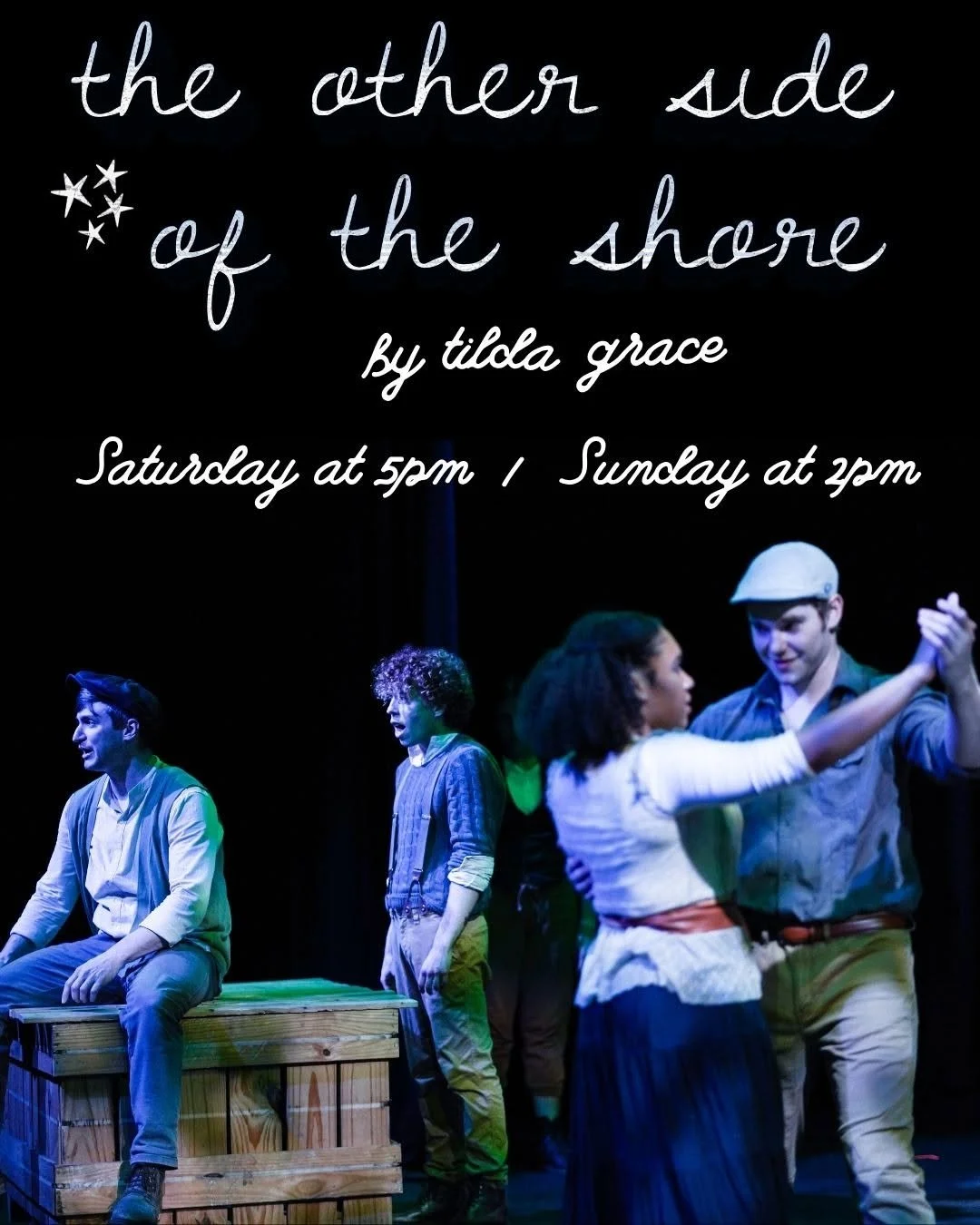
A small family live on the coast of Ireland: gruff father Cian (Cary Farrow IV), restless eldest daughter Orlaith (Jasmine Clark), twins Fiadh and Ruairi (Peyton Rogers and Benjamin McElroy), motherly neighbor Ms. Brewer (Myriah Elam), and Orlaith’s suitor Ronan (Gavin Marsicano). The children’s own beloved mother Aoife (Rebecca Litsey) went missing some time ago, her mystery left unsolved. They miss her fiercely, even the father who barely speaks her name.
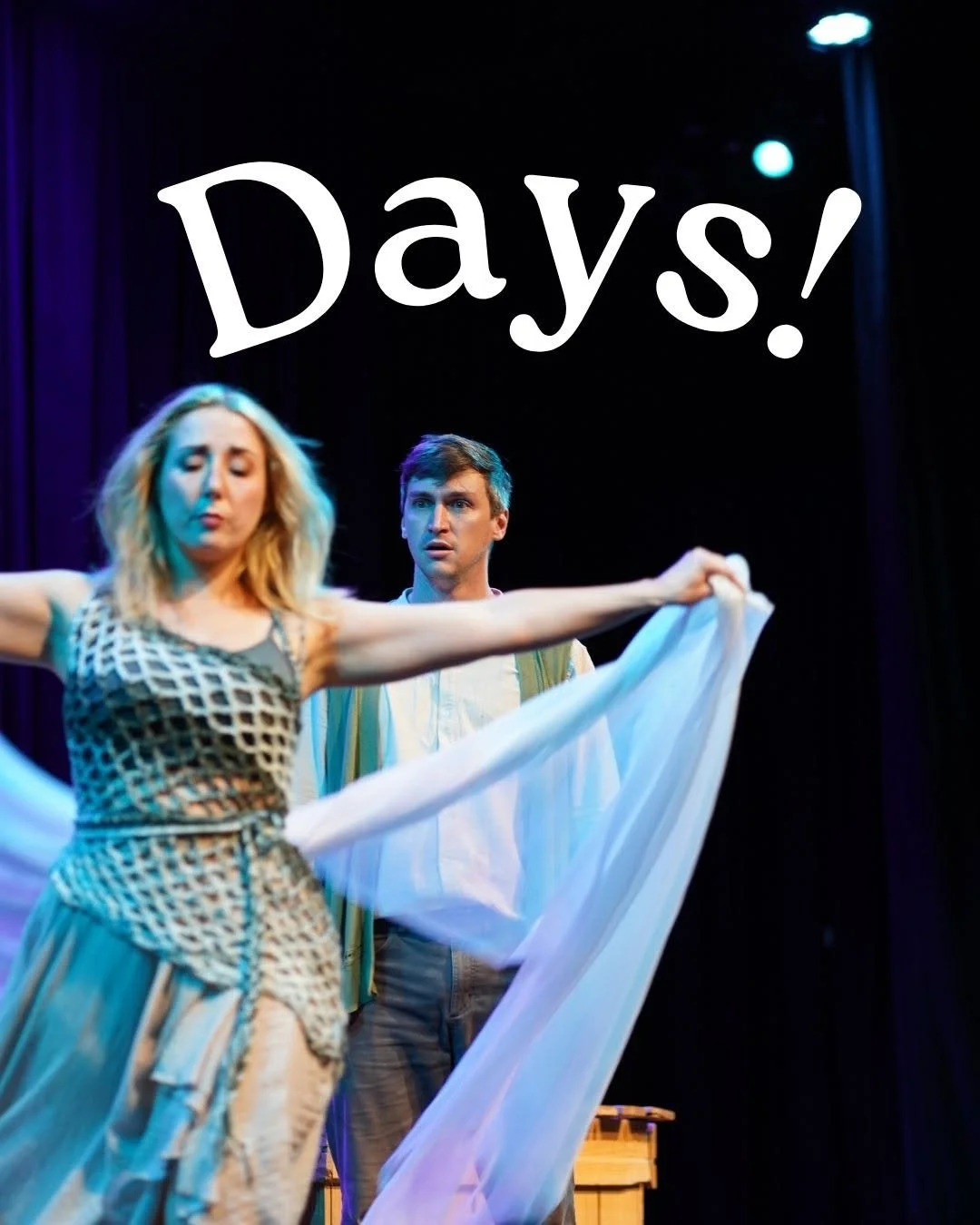
“She wasn’t just alive, she was life itself,” says one character, but we know the whole family would agree. Music by Tilda Grace and Gabe Beach introduces the story by way of Aoife’s swirling solo dance on the cold shore of the sea, briefly seen by locals. (Ensemble members include Noelle Molina and Kadence Phearse.) By turns ethereal and muscular, the scoring of the play makes sure (in its crashes and drums) that this never feels for too long like merely a misty fairy tale. The show has its own fight choreographer (Libby Hawkins), in fact.
Orlaith, left to watch over reckless brother Ruairi and sister Fiadh, longs to be away, and wishes her dad would help. Cian, a fisherman (the twirling of long white netting into the boats themselves is genius) is too despairing and angry to stand being “at home” for long. Ruairi is a whirlwind of poorly organized energy, and we’re unsure what’s up with the family’s pale, frail reader of old stories Fiadh, whose hands are bandaged but who never seems to heal.
There wasn’t a single cast member I didn’t enjoy watching, including Elam in a smaller role as Aoife’s friend and neighbor (who may have more connection to her than we guess). Farrow’s Cian is hard to like, as it should be. We can’t see the young lover in him now—but that’s the classic “found a mermaid” story: the human men can’t help but grow nastier as they cling to their power. Clark’s Orlaith is unhappy being caught at home as caretaker, especially of the harum-scarum Ruairi (does anyone know how to spell that, really?), who lives to take chances: McElroy’s red curls quiver at the need to fling himself at life. Big Sister also worries about Fiadh and her “ills”—but Rogers’ performance might just be the toughest of the bunch. Her Fiadh’s eyes blaze with willfulness; she reads, thinks, and dares to see a world so wide the village would never believe her.
Calm-faced Aoife comes and goes—what’s her purpose in this?—and time passes that’s never verifiably “now” or “then.” Aoife’s role is danced beautifully by Litsey—including the story of her fateful meeting with the young Cian, who (as the old stories go) falls immediately in love, and does all he can to keep her—though the marriage suffers by his possessiveness. Storms and roistering on the beaches (and much dancing with waves made of the same endless lengths of white cotton as the “boat”) are powered by music to match—and where will it all end?
I’d rather not tell you: there’s sure to be another chance to see this rather lovely play.
When it comes your way, take it.
WHEN: September 8-13, 2026
WHERE: Stage West, 821 Vickery Blvd, Fort Worth
WEB: https://www.facebook.com/shedfwarts/ @She.DFW.Arts